When Cracked or Alligatoring Paint Needs More Than a Touch-Up
Paint cracking and alligatoring usually need more than a touch-up when the damage is widespread, layered, loose, or caused by a failing surface. At PainterIssaquahwa.com, we check the cause, remove unstable coatings, prepare the surface, and apply a suitable new finish.
Get a Free EstimateWhat Paint Cracking and Alligatoring Look Like
Paint cracking is a surface coating problem that creates lines, splits, or breaks across the paint film. Small hairline cracks may affect only the topcoat, while deep cracks can reach older layers or the substrate.
Alligatoring paint forms an alligator skin pattern across the surface. The crack edges create scales or rough blocks that show the coating has lost flexibility or bonding strength.
These patterns differ from a small cosmetic mark. A spreading pattern, lifting edge, or soft area points to a paint film that needs closer assessment.
Warning Signs That Paint Needs More Than a Touch-Up
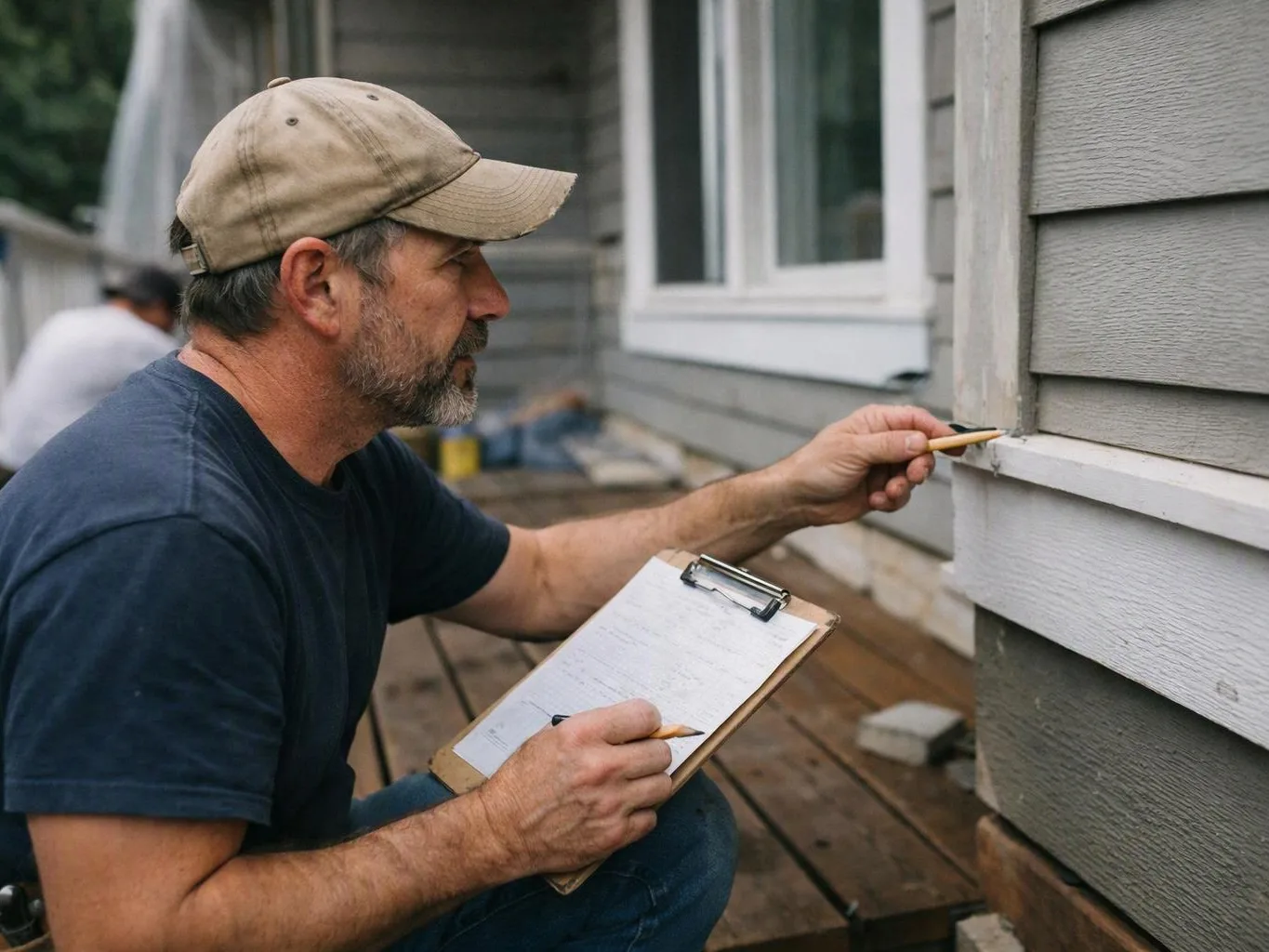
Widespread cracking usually needs more than local paint repair. We look at the full surface because one damaged area can connect to loose layers nearby.
Several warning signs together suggest coating failure, not a simple touch-up. Moisture damage or movement behind the surface can also make the repair return.
What Causes Paint to Crack Like Alligator Skin?
Alligatoring paint develops when coating layers lose flexibility or cannot bond well to the surface, often because of incompatible layers, thick application, drying stress, or surface movement.
Incompatible paint layers can react poorly when one coating does not bond with the layer below. Old paint layers may also become brittle and resist a new finish.
A thick paint application can dry unevenly and create stress inside the paint film. Temperature changes can expand and contract the surface, while moisture can weaken adhesion.
Surface movement may come from wood, drywall joints, or another shifting substrate. We check these conditions before choosing paint removal or a new coating.
Can You Paint Over Alligatoring Paint?
No, painting over unstable alligatoring usually hides the damage briefly and leaves the failed layers underneath.
Overpainting cannot restore weak paint adhesion. The new coating may follow the old crack pattern, lift with it, or fail as the lower layers continue moving.
Sound surface preparation is the deciding step. We remove unstable material, smooth suitable edges, and prepare a clean base before repainting.
Does Cracked Paint Need to Be Stripped?
Cracked paint needs stripping when the coating is loose, deeply layered, widely damaged, or preventing a sound new finish from bonding.
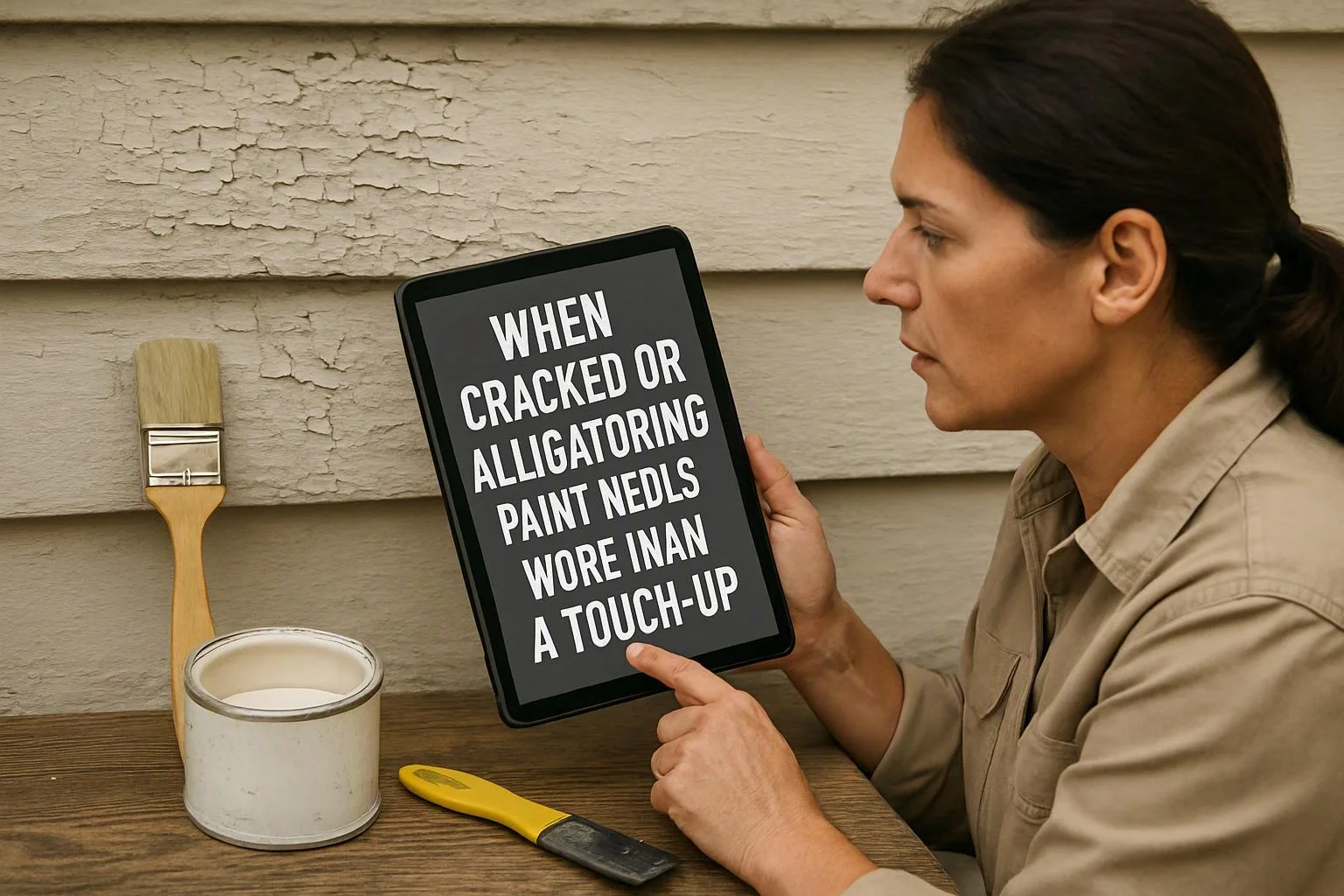
Scraping may remove loose sections, but scraping alone does not always correct deeper coating failure. We assess the remaining layers and remove material until the surface can support proper adhesion.
Paint stripping may be part of a larger repair that includes sanding, patching, cleaning, and priming. Our paint stripping service helps prepare failed surfaces for repainting.
DIY or Calling Us: Which Paint Repair Approach Fits?
DIY preparation may fit a small, stable mark, while widespread damage calls for our surface inspection and repair planning. The right choice depends on the coating condition, access, and substrate.
Our team can define the repair scope before repainting begins. The comparison below shows where each approach fits.
| Factor | What you can do yourself | What we do |
|---|---|---|
| Small cosmetic mark | You can inspect a small area and note whether the surrounding paint stays firm. | We assess whether the mark is isolated or part of wider coating failure. |
| Loose or peeling layers | You can avoid covering loose paint and arrange an assessment. | We plan scraping, coating removal, repairs, and a suitable primer. |
| Widespread alligatoring | You can document the affected areas and protect nearby furnishings. | We inspect the surface, identify likely causes, and set the repainting scope. |
| Difficult access | You can leave high or unsafe areas untouched. | Our crew handles the access and surface work as part of the repair plan. |
A touch-up is suitable only when the surrounding coating is stable and the damage is limited. When the base is not sound, preparation must come before repainting.
How We Prepare a Surface With Cracked or Alligatoring Paint
Our surface preparation process connects the visible damage with the condition underneath. We use the findings to build a repair plan that supports lasting paint adhesion.
Free Estimates Available for projects that need a clear repair scope. We explain which preparation steps the surface needs before the finish work begins.
When Widespread Paint Cracking Needs Professional Preparation
Widespread paint failure needs professional preparation when multiple coating layers, difficult access, or substrate damage make the repair more involved.
Multiple coating layers can hide weak bonds between old paint and the base. Removing only the top layer may leave the same failure below the new finish.
Difficult access can make safe surface work harder, especially on tall exterior areas. Our crew plans the access, removal, repairs, and finish coating as one scope.
Interior house painting and exterior house painting can both involve cracked or alligatoring coatings. Exterior surfaces may also show moisture damage and temperature stress, so the cause matters before repainting.
A full paint stripping service may be appropriate when the substrate cannot support another coating without deeper removal. We use the condition of the surface to guide that decision.
How to Plan the Right Paint Repair
The right paint repair plan depends on damage extent, surface condition, coating compatibility, and the repair scope.
Start by noting where cracks appear, whether edges lift, and whether the pattern returns after repainting. Those details help separate cosmetic cracks from a failed coating system.
Our team reviews the surface and explains the work included in the project quote. PainterIssaquahwa.com can then plan paint removal, surface preparation, primer, and repainting as needed.
Request an exact quote through our contact page after the surface has been assessed.
Questions About Cracked and Alligatoring Paint
Why does paint crack after repainting?
Paint can crack after repainting when old layers remain unstable, the new coating is incompatible, or the surface keeps moving. Moisture and drying stress can also weaken the bond between coating layers.
Can a touch-up match a cracked paint surface?
A touch-up can match a cracked paint surface only when the surrounding coating is stable and the damage is limited. Widespread or loose cracking needs broader preparation before new paint can bond.
How can you tell whether cracked paint is loose?
Cracked paint is likely loose when edges lift, flakes break away, or the surface moves with light contact. Exposed substrate and hollow-sounding areas also suggest weak adhesion.
What should be checked before repainting over old paint?
Old paint should be checked for loose coating, peeling edges, moisture damage, surface movement, and compatibility with the new finish. The surface must be sound, clean, and ready for primer before repainting.