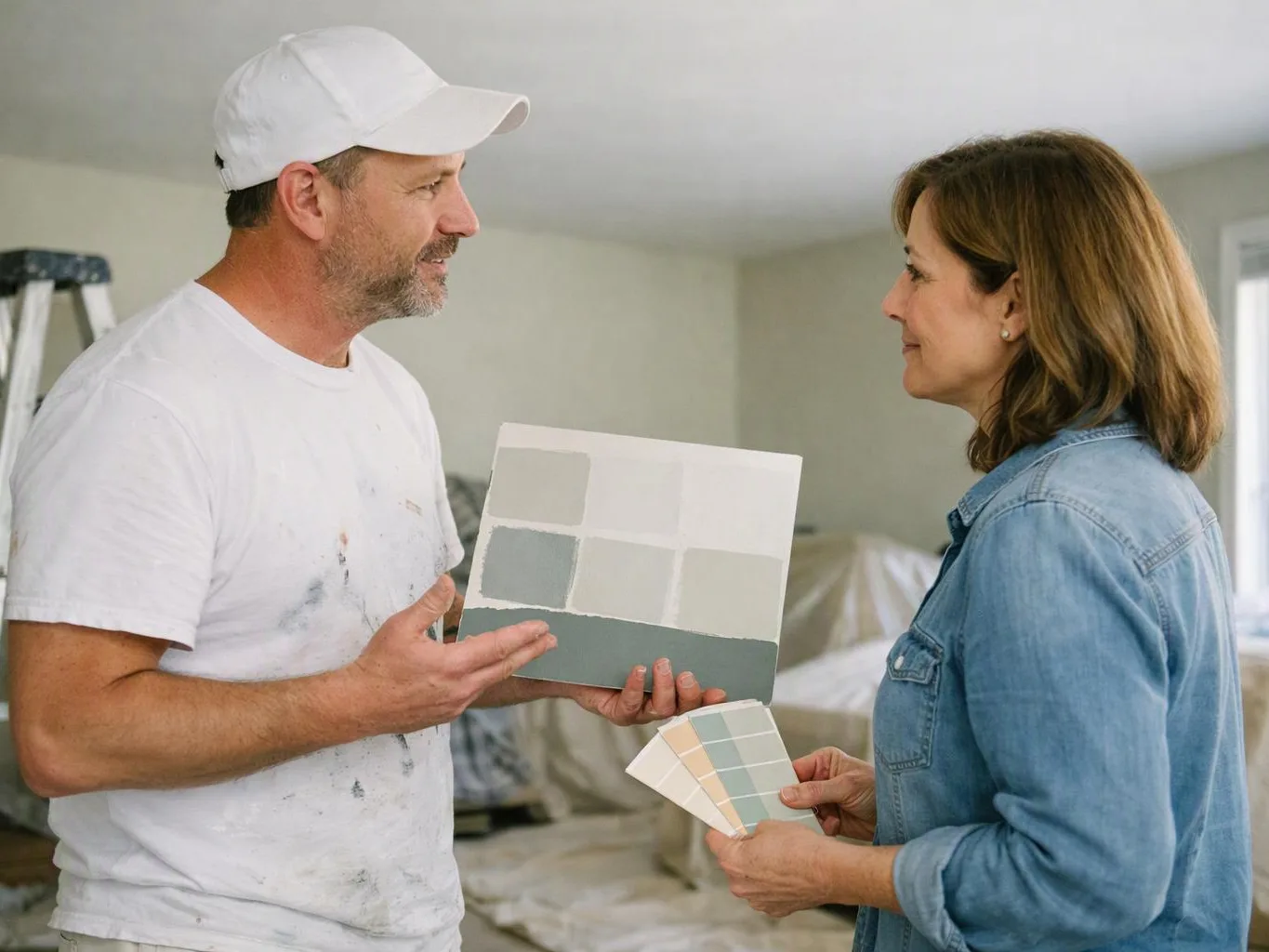
What to Expect When Removing Wallpaper from Damaged Walls
Wallpaper removal can reveal adhesive, torn drywall paper, holes, and bubbling areas that need repair before painting. Thomas J. Painting checks the wall, removes loose material, repairs the surface, and primes it for a smooth finish.
Get a Free EstimateWhat Damage Can Wallpaper Removal Cause to Walls?
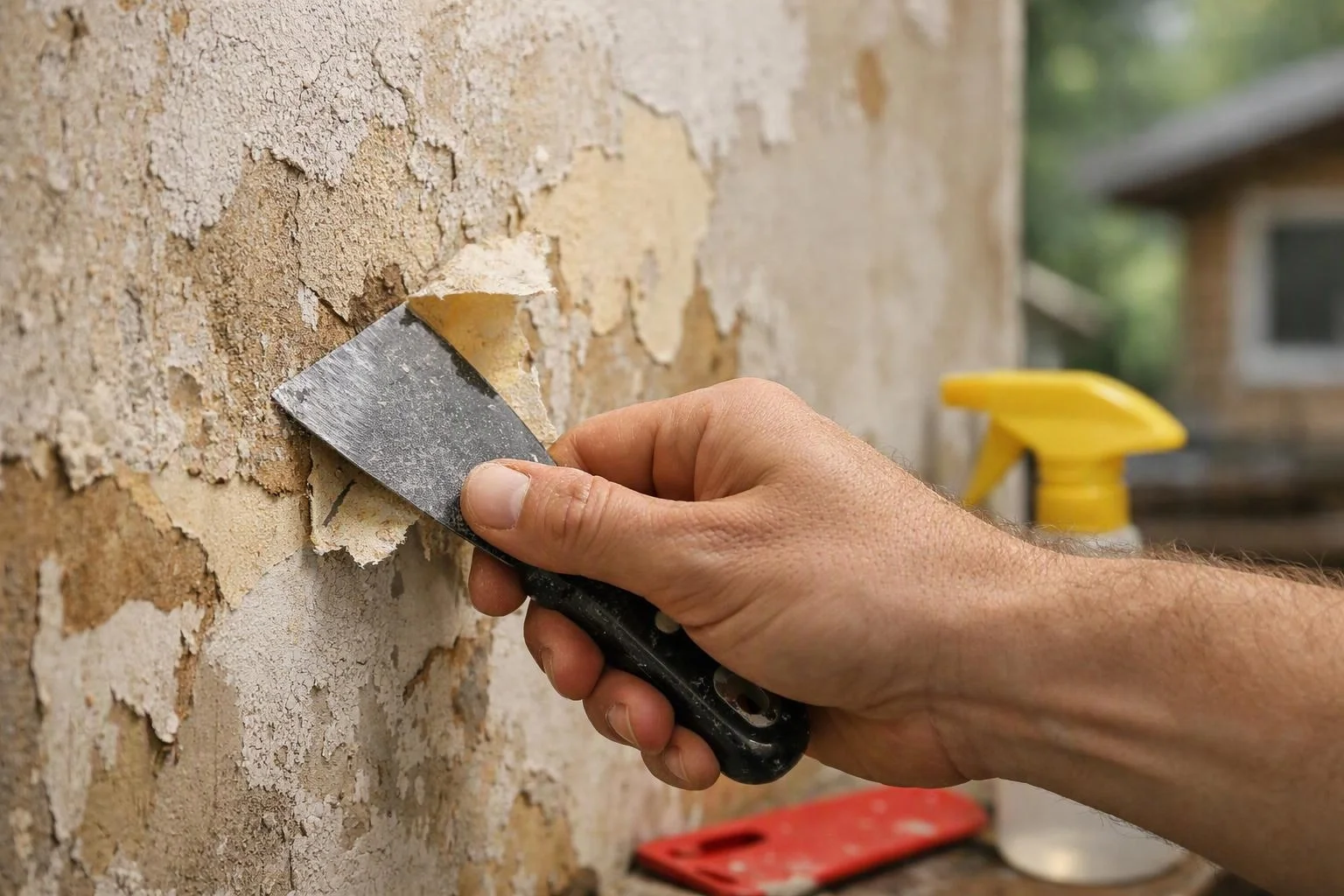
Wallpaper removal can tear drywall paper, lift paint, expose holes, and leave adhesive behind. Damage is more likely when the wall is weak or the wallpaper is firmly bonded.
Drywall and plaster react differently during removal. We check the wall material first, then use a method that limits further surface damage. Our team also removes loose material before planning repairs.
Wallpaper adhesive can hide cracks, bubbling, or weak areas. Removing the paper reveals the surface condition that must be corrected before interior house painting.
Signs a Wall Needs Repair After Wallpaper Removal
Wall damage needs repair when the exposed surface cannot support a smooth, well-bonded paint finish. We look for these signs during the wall inspection.
Why Wallpaper Bubbles, Peels, or Damages the Wall
Wallpaper bubbles or peels when bonding fails, moisture enters, or the wall shifts. We identify the cause so repairs address the surface problem and not only the visible symptom.
Moisture damage needs careful attention before painting. We check for loose material and surface changes before sealing the wall with primer.
How We Assess the Wall Before Repairs
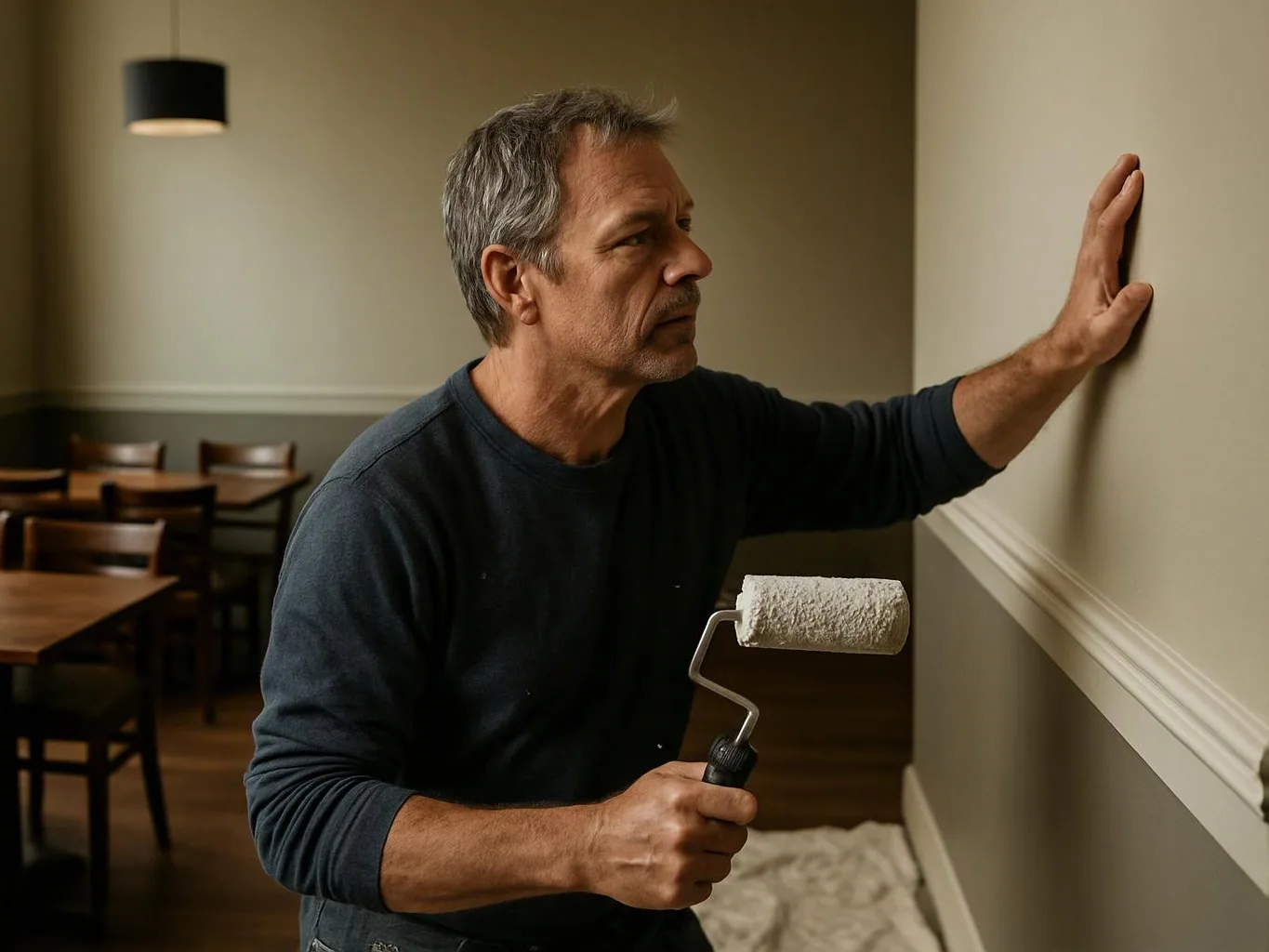
Wall inspection shows whether the surface is ready for repair or needs more cleaning first. We assess the wall's material, condition, and remaining adhesive before choosing the preparation method.
Our team checks drywall for lifted paper, soft spots, holes, and loose paint. We inspect plaster for cracks, weak sections, and areas that may need repair plaster before smoothing.
We also look for moisture damage and adhesive residue. These conditions can weaken paint adhesion if they remain under joint compound or primer.
Common Repairs After Wallpaper Comes Off
Common wall repairs depend on the material, the exposed damage, and the finish needed for painting. We select the repair that creates a stable, smooth surface.
| Visible condition | Common repair | Preparation goal |
|---|---|---|
| Torn paper or shallow wall damage | Drywall repair and joint compound | Seal and level the damaged area |
| Broad uneven areas | Skim coating | Create a consistent surface |
| Cracks in drywall or plaster | Crack repair and patching | Reduce visible lines and weak seams |
| Sticky or glossy residue | Adhesive removal and surface cleaning | Improve primer and paint adhesion |
| Mismatched wall texture | Texture matching and sanding | Blend repairs into the surrounding wall |
We inspect repaired areas after sanding to check for ridges, pinholes, and visible transitions. The wall must look even before primer application begins.
How We Prepare Damaged Walls for Paint
Damaged wall preparation removes weak material and creates a paint-ready surface. We follow a clear process before interior house painting.
Each step supports stronger paint adhesion. We do not move to painting while the wall remains dusty, damp, loose, or uneven.
When Can You Paint After Removing Wallpaper?
Yes, you can paint after wallpaper removal when the wall is clean, dry, sound, smooth, and properly primed.
Interior wall paint needs a stable surface for proper paint adhesion. We check for remaining adhesive, loose material, moisture, and visible repair marks before painting.
Primer also helps seal repaired areas and creates a more even base. If the wall still feels tacky or shows active moisture damage, we continue preparation before paint.
What Can Prevent More Wall Damage?
More wall damage can be limited by matching the removal method to the wall and testing the surface during preparation. We adjust our process when the wall shows weak paper, plaster damage, or moisture concerns.
What Changes the Work Needed on Damaged Walls?
The work changes with the wall material, wallpaper layers, adhesive strength, moisture, and amount of surface damage.
Multiple wallpaper layers can hide more adhesive and create more cleaning work. Strong adhesive can also pull away drywall paper during removal.
Plaster may need different repairs from drywall. The repair scope also changes when cracks, holes, or uneven texture cover a broad area.
We review these conditions during the project assessment. Our quote scope reflects the removal, repairs, surface preparation, primer, and requested painting work.
How We Plan Wallpaper Removal and Wall Preparation
Wallpaper Removal requires a clear plan when damaged walls need repair before painting. Thomas J. Painting offers Free Consultations to review the wallpaper, wall damage, repairs, preparation, and requested painting work before providing a project quote.
We discuss whether the wall is drywall or plaster, then identify adhesive residue and surface risks. Our team explains the repair scope and the preparation needed for interior house painting.
You can contact us through our contact page to arrange a project assessment. We use that review to build a clear plan for the work.
Questions About Wallpaper Removal and Damaged Walls
Can wallpaper be removed without damaging drywall?
Yes, wallpaper can sometimes be removed without major drywall damage when the wall and adhesive are in good condition. Thomas J. Painting checks the bond and drywall paper before choosing the removal method.
How do you remove wallpaper adhesive from walls?
Wallpaper adhesive is removed by cleaning the surface and checking for residue before repairs. We continue surface preparation until the wall is suitable for compound, primer, and paint.
Do damaged walls need primer after wallpaper removal?
Yes, damaged walls usually need suitable primer after wallpaper removal when repairs or exposed drywall paper affect the surface. Primer seals repaired areas and supports consistent paint adhesion.
What happens if wallpaper is removed from plaster walls?
Wallpaper removal from plaster walls can reveal cracks, loose sections, and adhesive residue. We repair the plaster, smooth the surface, and prime it before interior wall paint is applied.