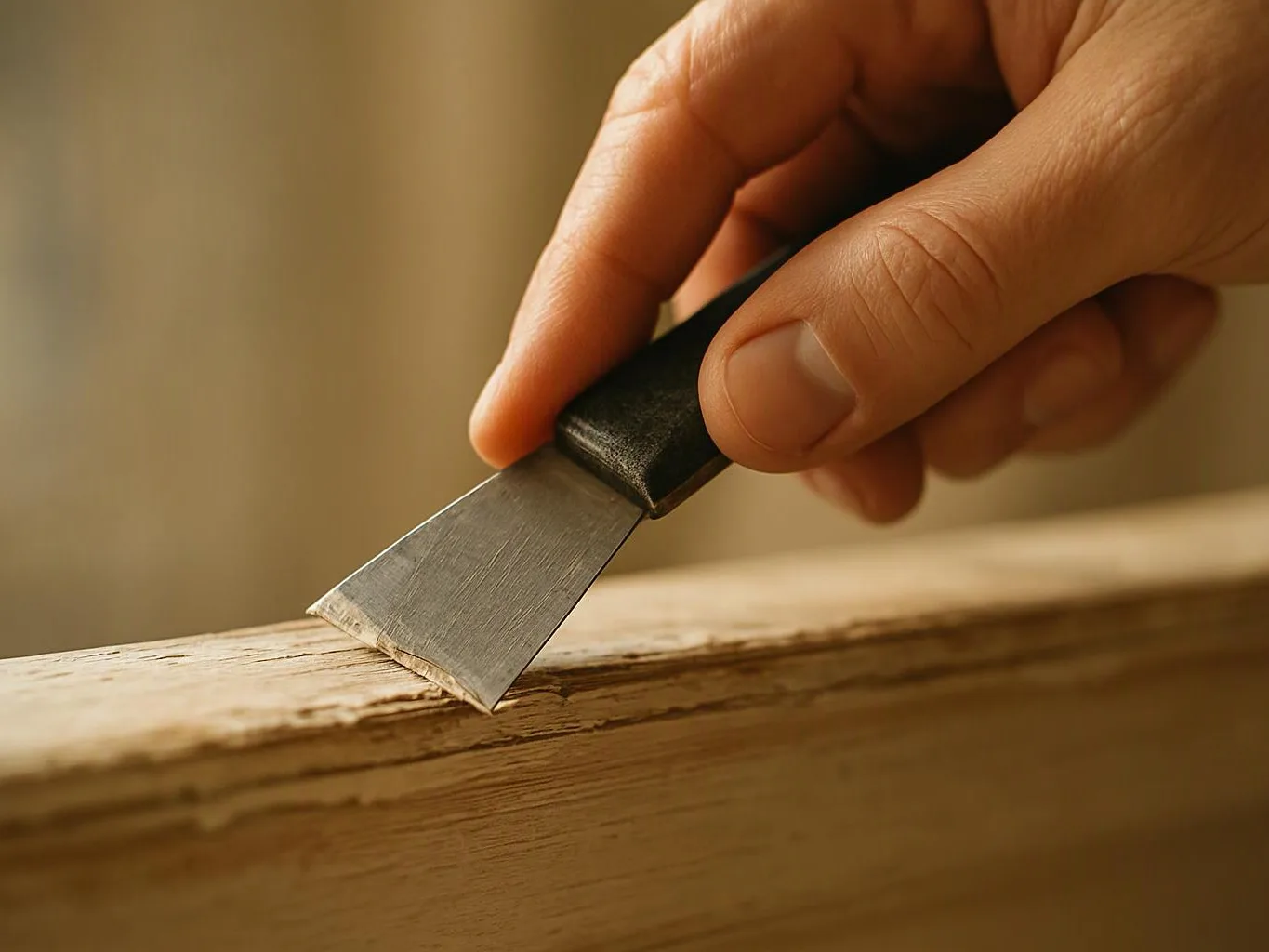
How to Assess Peeling, Blistering, or Cracked Exterior Paint
Exterior paint peeling, blistering, or cracking usually points to moisture, weak adhesion, weather exposure, or poor surface preparation. Thomas J. Painting checks the paint layers and substrate before recommending stripping, repairs, or repainting.
Get a Free EstimateWhat Do Peeling, Blistering, and Cracked Paint Look Like?
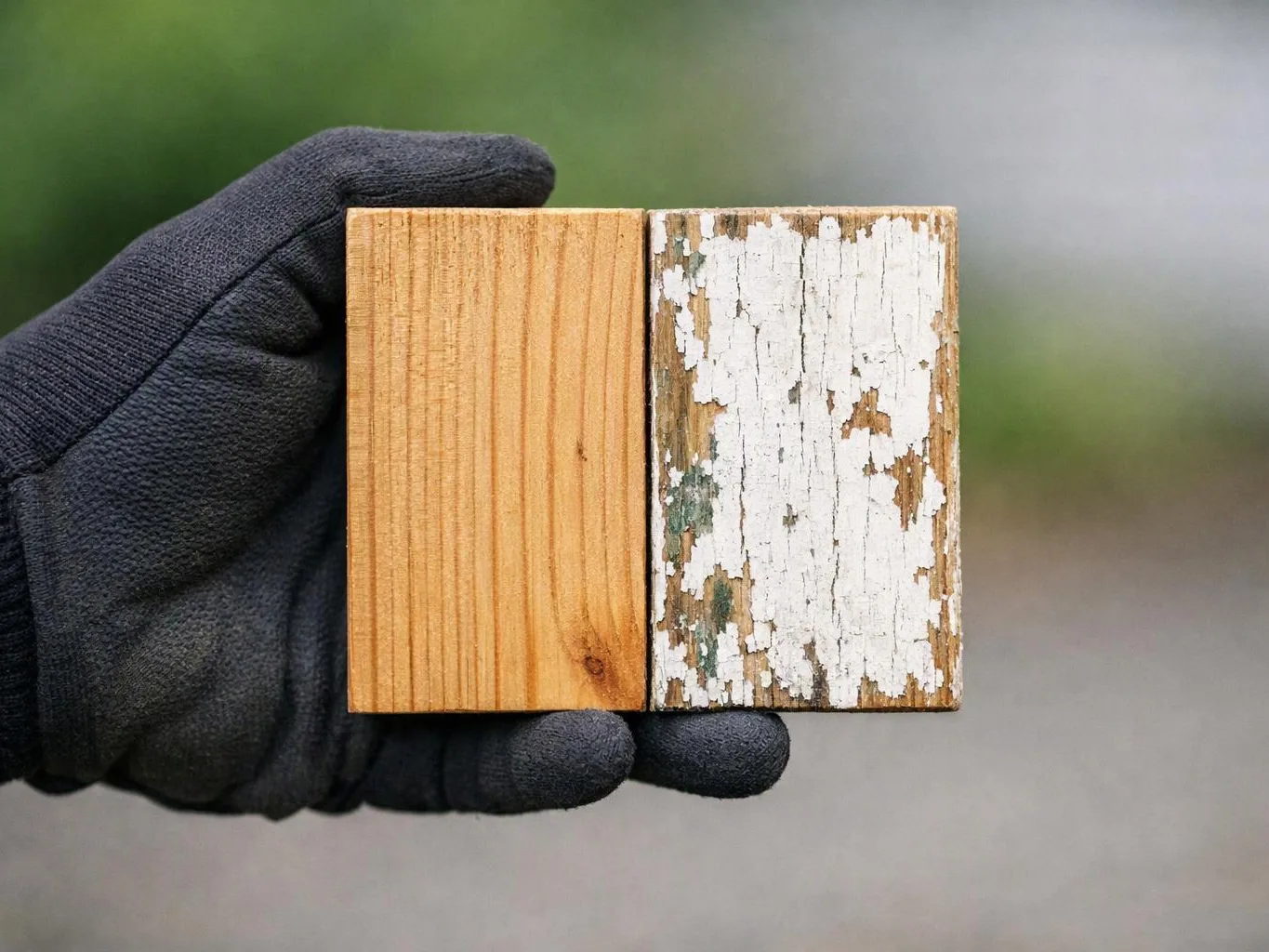
Peeling, blistering, and cracked exterior paint show different patterns, so the surface symptom helps identify the failure.
We look at the paint film, the exposed material, and the location of each defect. The same symptom can have different causes on wood siding, stucco, or masonry.
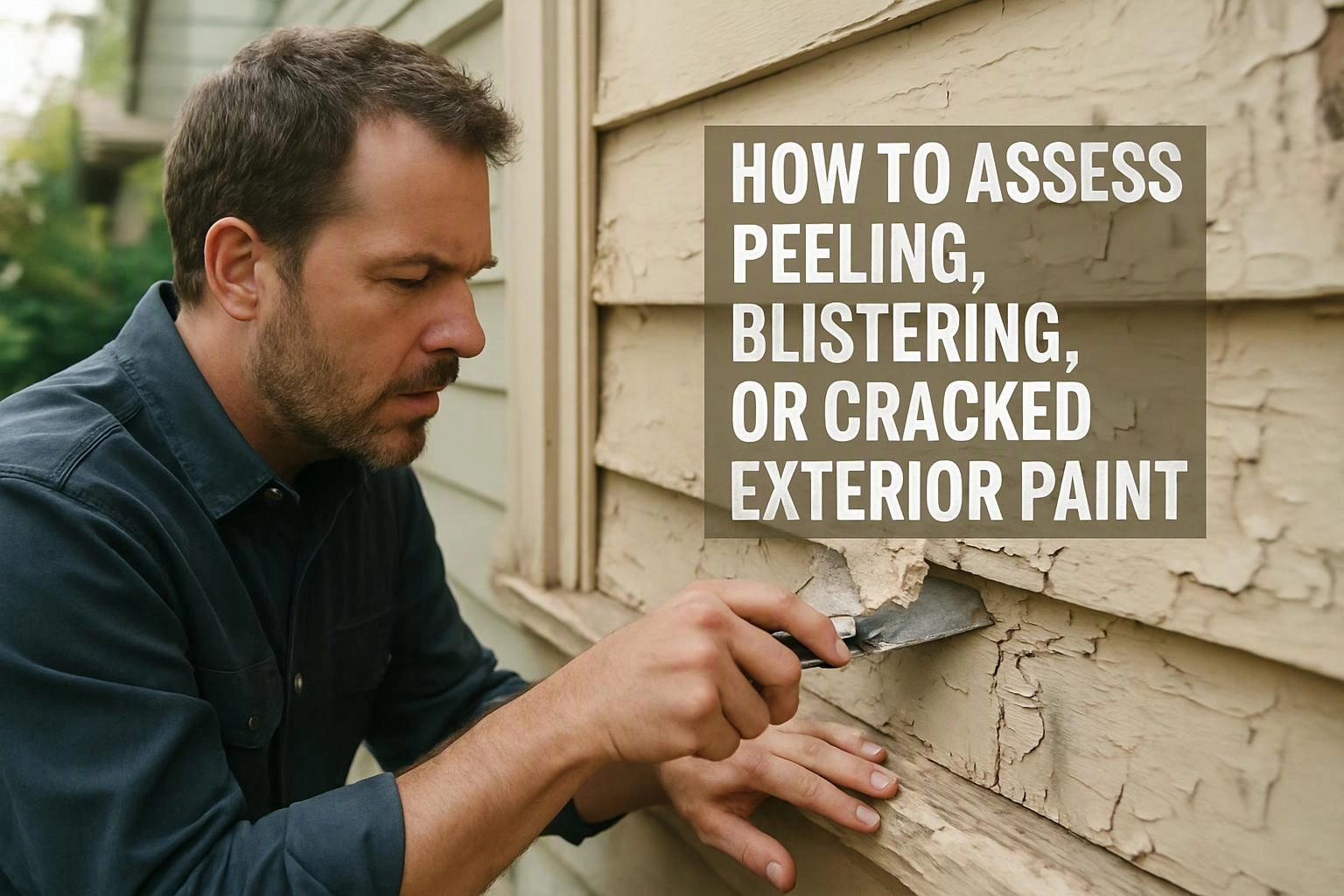
Wood siding may swell, shrink, or soften beneath failed paint. Stucco and masonry can show cracks, powdery areas, or moisture stains that need separate attention.
What Causes Exterior Paint to Fail?
Exterior paint failure commonly comes from moisture, weak adhesion, weather stress, or inadequate surface preparation.
We trace the defect back to the surface and surrounding conditions. That step helps us choose the right repair and coating system.
Sun exposure and temperature changes also stress the paint film. Humidity and improper application can extend drying time or trap moisture under the finish.
How Can You Tell Which Paint Problem You Have?
The shape, location, depth, and surface beneath the coating help distinguish peeling, blistering, and cracking.
Our team compares the visible pattern with the condition of the substrate. The table below shows common clues, but hidden moisture or damage may require a closer inspection.
| Surface sign | What it may indicate | What we check |
|---|---|---|
| Peeling or flaking paint | Loose coating, poor adhesion, moisture, or surface contamination | Paint layers, bare areas, edges, and substrate damage |
| Blistering or bubbling paint | Moisture blistering, heat, humidity, or trapped air | Moisture staining, wet areas, and coating separation |
| Alligator cracking | Aged or incompatible coatings and repeated surface movement | Crack depth, coating thickness, and paint adhesion |
| Hairline cracks or checking | Surface movement or early paint-film stress | Whether cracks reach the substrate or remain in the finish |
| Dark marks or soft material | Moisture staining or possible substrate damage | Wood condition, masonry joints, stucco, and nearby water paths |
Paint adhesion is not judged by appearance alone. We check whether the remaining coating is sound enough to support a new recoat.
Should Peeling Exterior Paint Be Removed Before Repainting?
Yes, loose or failing paint should be removed before repainting because new coating cannot reliably bond to an unstable surface.
Paint removal may include scraping, sanding, or targeted paint stripping. The correct method depends on the coating, substrate, failure pattern, and surrounding condition.
Our crew removes unstable coating without treating sound paint as a failure. We then address bare substrate, damaged wood, open joints, and other defects before applying primer.
Older coatings may contain lead paint. We take added care when the coating age or condition raises that concern, and we recommend appropriate handling before repainting.
How We Assess and Prepare Failed Exterior Paint
Thomas J. Painting traces the failure, removes unstable coating, repairs the surface, and prepares the substrate for a sound finish.
Our process connects the visible symptom to the repair decision. That keeps exterior house painting focused on the cause, not just the topcoat.
Free Consultations give us a chance to review the failure and explain the recommended scope. A quote reflects the coating condition, preparation needs, repairs, access, and finish requirements.
For broader planning, our Exterior House Painting service covers the preparation decisions that support a durable finish.
How Can You Prevent Peeling, Blistering, and Cracking?
Prevention depends on controlling moisture, preparing the surface, using compatible coatings, and maintaining exposed areas.
We help prevent repeat paint failure by correcting the surface before the finish coat goes on. Routine checks can also catch small defects before they spread.
Water that reaches wood siding, stucco, or masonry can create recurring damage. We look beyond the paint when the same area keeps failing.
When Does Exterior Paint Damage Need Professional Assessment?
Professional assessment is appropriate when paint failure is widespread, keeps returning, exposes damaged material, or requires unsafe ladder work.
Widespread peeling, repeated blistering, deep cracks, exposed wood, and soft substrate can point to repairs below the paint. Water damage also needs attention before exterior house painting can provide a stable result.
Thomas J. Painting checks the failed coating and the surface beneath it. If ladder work feels unsafe, contact us so our crew can handle the elevated areas.
Request a review when the damage keeps returning in one location or when the repair scope is unclear. Our team can explain whether the surface needs scraping, sanding, stripping, repairs, primer, or repainting.
Questions About Peeling, Blistering, and Cracked Exterior Paint
Can moisture cause exterior paint to blister?
Yes, moisture can cause exterior paint to blister when water or vapor becomes trapped beneath the coating. Thomas J. Painting checks moisture paths, stains, failed sealants, and the substrate before selecting repairs.
Can new paint be applied over peeling paint?
No, new paint should not cover loose or failing paint because the new coating will depend on an unstable surface. The failed areas need removal, surface preparation, repairs when needed, and suitable primer before repainting.
Why does exterior paint peel in the same place?
Exterior paint can peel in the same place when moisture, movement, surface contamination, or substrate damage remains below the coating. We inspect the recurring area and its nearby joints, trim, drainage, and siding before recoating it.
What does alligator cracking in exterior paint mean?
Alligator cracking means the paint film has formed a network of deep, connected splits. The pattern often points to coating age, incompatible paint layers, or repeated movement, so we check the coating system and substrate before choosing removal and repainting methods.