A Room-by-Room Checklist Before Interior Painting
A room preparation checklist before interior painting covers access, furniture, wall repairs, surface cleaning, floor protection, and final cleanup. Thomas J. Painting uses these checks to help each room start safely and finish cleanly.
Get a Free Estimate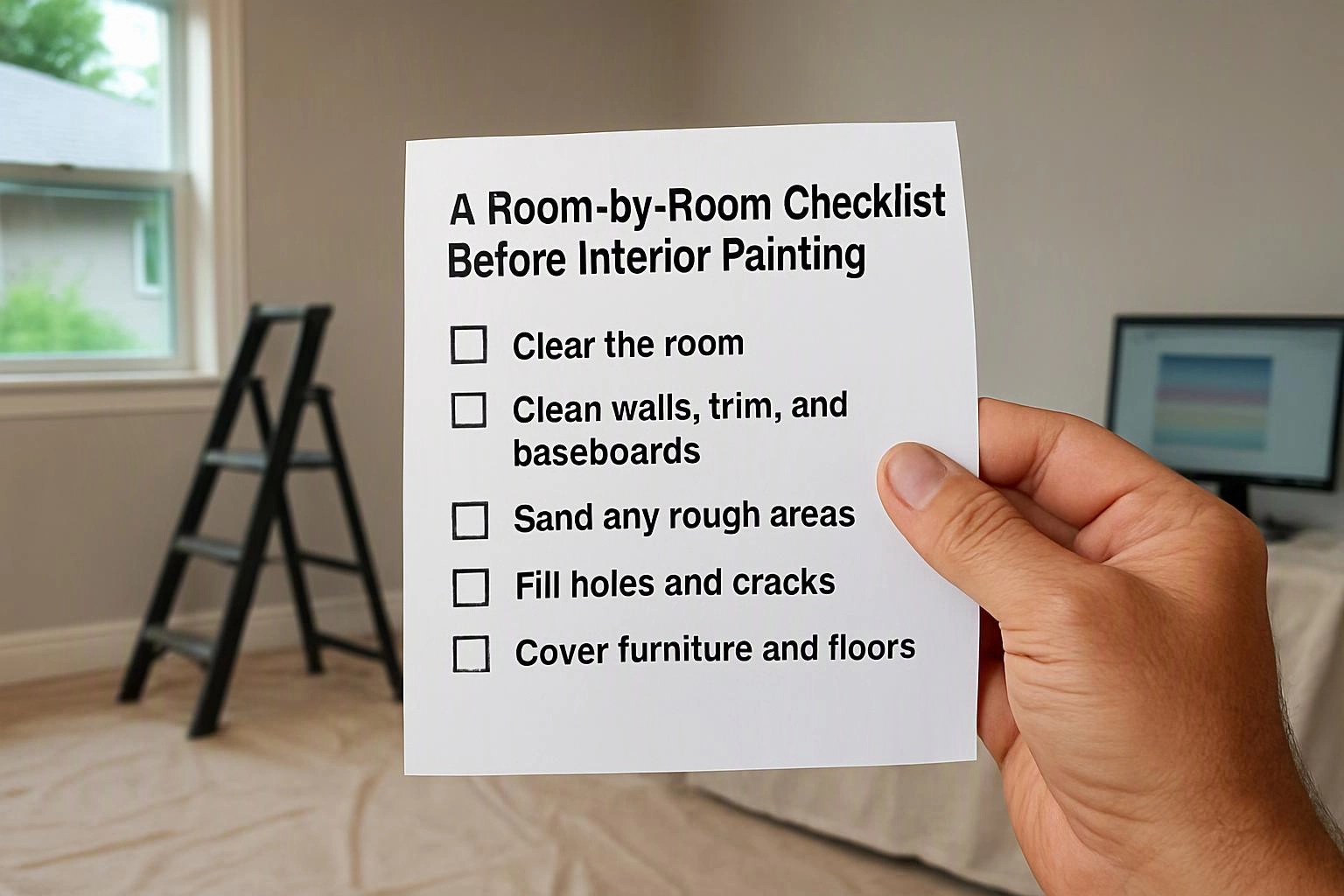
What Does Room Preparation Before Painting Include?
Interior painting room preparation includes clearing work areas, protecting fixed items, cleaning surfaces, and identifying repairs before paint application.
We check furniture, wall surfaces, floor protection, and access before work starts. These checks help create paint-ready surfaces and reduce avoidable delays.
For a broader overview of our work, explore Interior House Painting services. Our team uses the same careful preparation habits in every room.
Before Painting: Prepare the Home and Each Room
Before painters arrive, prepare each room by clearing belongings, opening access paths, and noting items that need special care. Our crew reviews the space with you so the work area is ready.
Room-by-Room Preparation Checklist
Each room needs preparation based on its furniture, surfaces, fixtures, traffic, and ventilation. We review walls, ceilings, baseboards, doors, and trim as part of that room-by-room check.
Our team also looks for items that affect paint access, such as cabinets, light fixtures, stair rails, and built-in storage. That review helps us protect the room and plan surface preparation.
Living Rooms, Bedrooms, and Home Offices
Living rooms, bedrooms, and home offices need clear access around sofas, beds, desks, and bookshelves. We protect or move electronics, then check wall art, curtains, and closet areas near the work zone.
Bedrooms may need extra care around beds and personal items. Home offices also need a clear path around desks, monitors, and stored documents.
Kitchens and Bathrooms
Kitchens and bathrooms need focused cleaning because grease and moisture can affect adhesion. We protect cabinets, countertops, appliances, sinks, mirrors, and bathroom fixtures before preparing nearby surfaces.
Our crew checks for loose material around caulked edges and fixtures. We also confirm ventilation and keep wet areas protected during the work.
Hallways, Stairways, Ceilings, and Trim
Hallways and stairways need careful planning because they carry regular traffic and have narrow access. We protect stairs, stair rails, hallway walls, door frames, and nearby floors.
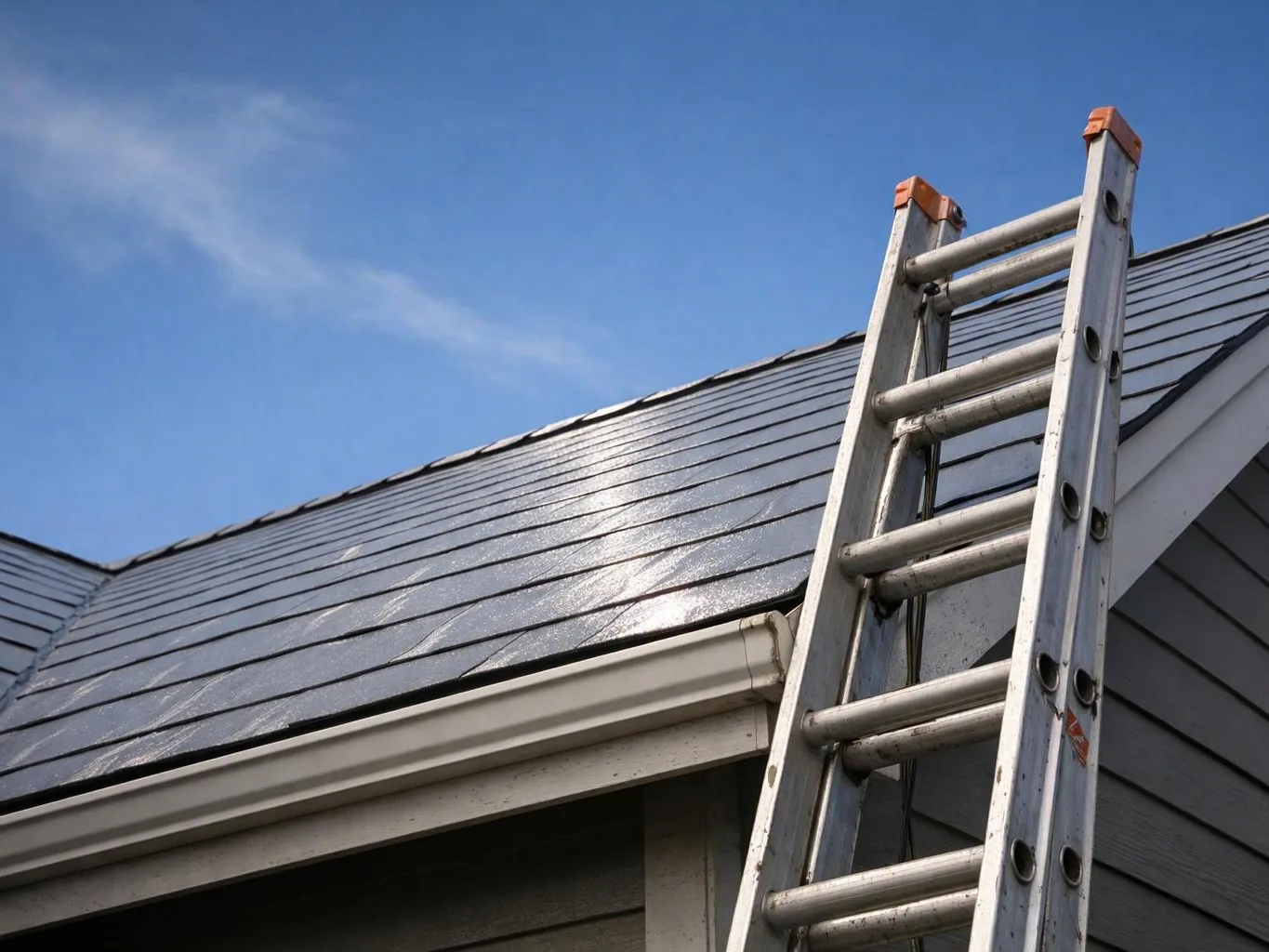
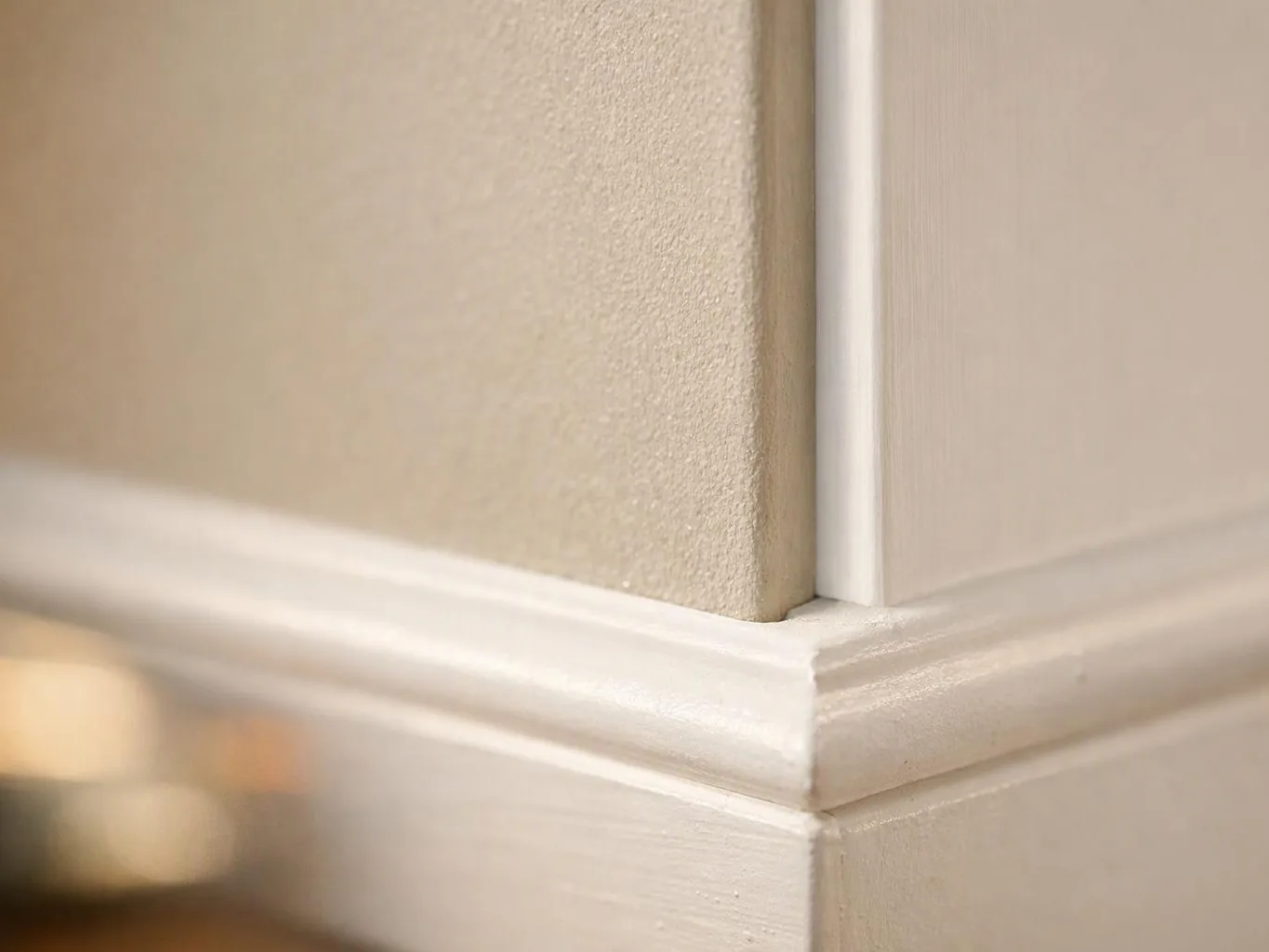
Ceilings, baseboards, doors, and trim need clean edges and steady access. We check light fixtures and high surfaces before setting up, and we address unsafe ladder access before painting begins.
During Painting: Keep the Work Area Ready
During painting, keep access open and protect the boundary between the work area and the rest of the home. Our team communicates about room access, wet paint, tools, and daily progress.
What Should Be Repaired Before Painting?
Yes, wall cracks and holes should be assessed and repaired before painting because paint won't hide movement, uneven surfaces, or loose material.
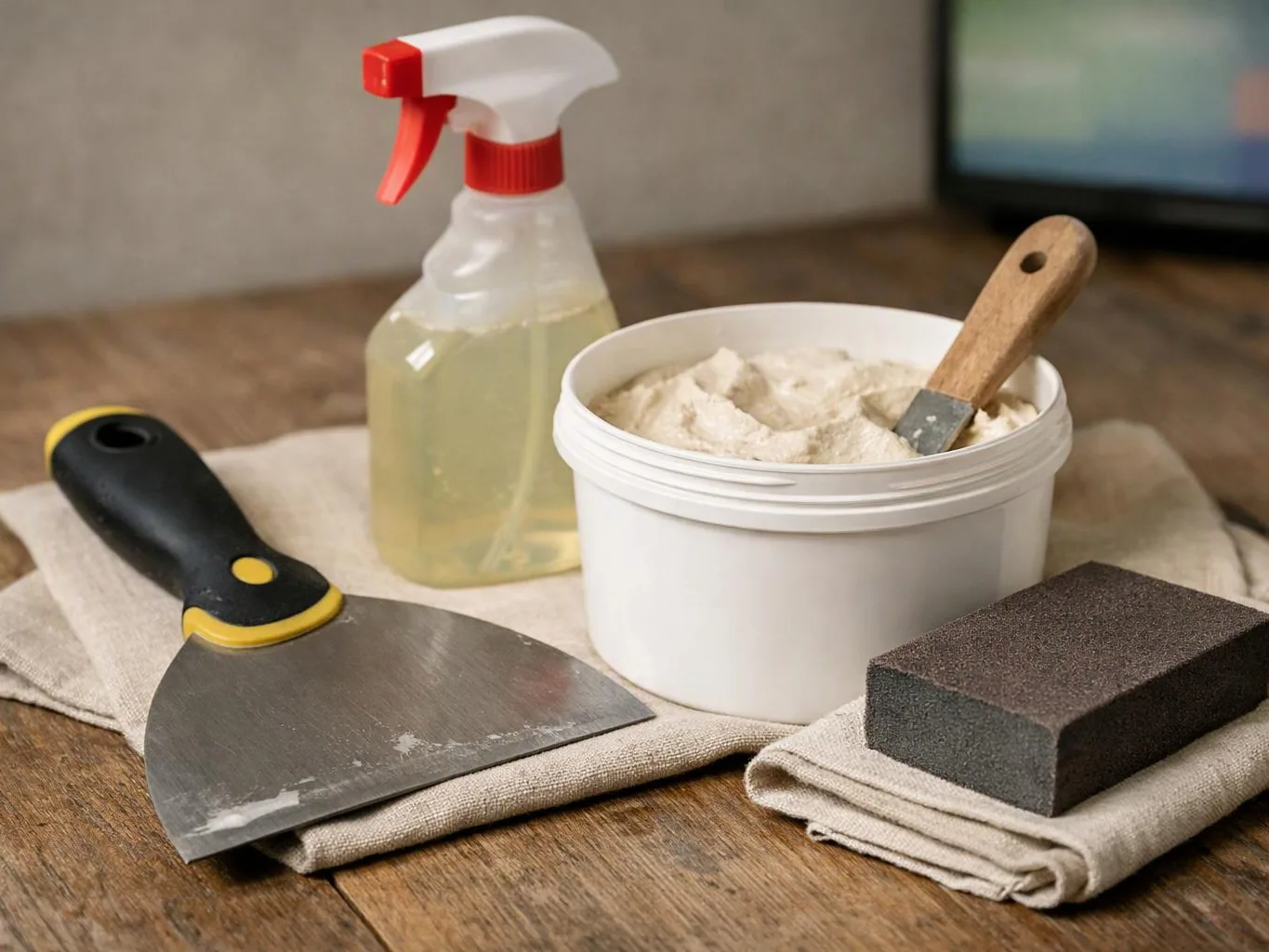
We inspect nail holes, dents, drywall damage, peeling paint, water stains, mildew, and failing caulk. Our crew removes loose paint, sands rough areas, and prepares the surface before primer or finish paint.
Some damage points to an active moisture or structural problem. We flag those conditions before painting so the underlying issue can be addressed safely.
Red Flags to Address Before Painting Starts
Red flags can affect paint adhesion, indoor safety, or the condition of the wall. Our team pauses to review these conditions before starting surface preparation.
After Painting: Check Each Room Before Replacing Items
After painting, check each room for clean painted surfaces, protected trim, clear floors, and safe access. Our crew completes a final inspection before furniture and belongings return.
What Should You Ask Before an Interior Painting Project?
Ask which rooms and surfaces are included, what repairs are needed, how belongings should be prepared, and what cleanup the project covers. Thomas J. Painting offers Free Consultations so the scope can be reviewed before work begins.
Ask whether the scope includes walls, ceilings, baseboards, doors, trim, cabinets, or other surfaces. You should also confirm paint colors, paint sheen, furniture preparation, floor protection, and final cleanup.
We review the condition of each room and explain what the estimate covers. Project cost depends on the rooms, surfaces, repairs, access, materials, and preparation required, so an exact quote follows a review of the work.
Ask how outlet covers and switch plates will be handled. We can review removable items during the consultation, while electrical work or damaged components should be handled safely by the proper licensed trade.
Questions About Preparing Rooms for Painting
What should I remove before painters arrive?
Thomas J. Painting recommends removing wall decorations, fragile belongings, small furniture, and electronics from the work area. Keep access paths clear, and tell our crew about items that cannot be moved.
Can furniture stay in a room during interior painting?
Yes, furniture can stay when it is moved away from the walls and properly protected. Our team decides what needs to move based on access, room size, and the surfaces being painted.
Should outlet covers and switch plates be removed before painting?
Outlet covers and switch plates should be reviewed before painting so edges stay clean. Our crew can discuss their removal during preparation, but damaged wiring or electrical components require safe handling by the proper licensed trade.
How do I protect floors and furniture from paint?
Protect floors with suitable drop cloths, and move furniture away from active walls. Our crew adds surface protection around trim, doors, cabinets, and fixtures before painting begins.
Thomas J. Painting can review your rooms, preparation needs, repairs, and project scope before work begins.
Get a Free Estimate