Exterior Paint Prep Problems That Can Lead to Early Failure
Exterior paint preparation mistakes cause early failure when surfaces stay damp, dirty, glossy, loose, or damaged. At PainterIssaquahwa.com, we check the surface, repair defects, and prepare each area before painting.
Get a Free EstimateWhich Exterior Paint Preparation Mistakes Cause Early Failure?
Exterior paint fails early when preparation leaves moisture, loose paint, contamination, gloss, or surface damage beneath the new coating.
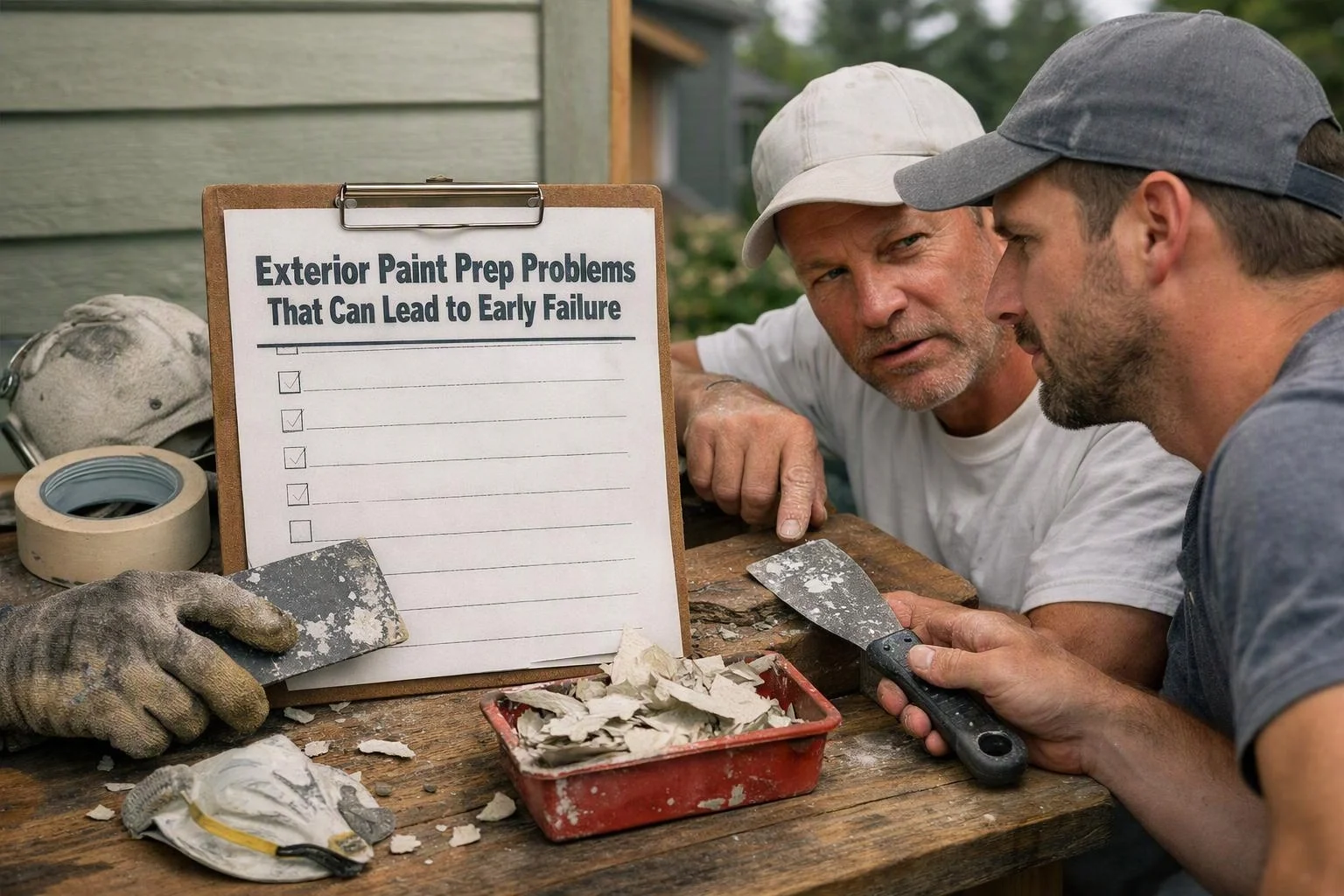
Our warning-sign checklist connects each preparation problem to the damage it can cause.
Why Peeling Paint and Damp Surfaces Must Be Addressed First
Yes, painting a damp surface can cause peeling because trapped moisture weakens adhesion and can push the coating away from the substrate.
Peeling paint also creates a poor base for new paint. Our crew checks for loose edges, flaking areas, blistering, and soft or damp wood before coating.
Moisture can come from weather exposure, failed caulk, or water damage. We allow surfaces to dry before sanding, priming, and painting.
What Should Be on an Exterior House Painting Preparation Checklist?
An exterior house painting preparation checklist should cover inspection, cleaning, drying, loose-paint removal, repairs, surface smoothing, caulking, priming, and protection of nearby areas.
Our team adjusts the preparation plan to the substrate, coating condition, and visible damage.
Why Dirt and Glossy Surfaces Can Stop Paint From Bonding
Dirt and glossy surfaces should be addressed because contaminants block adhesion and smooth coatings give new paint too little grip.
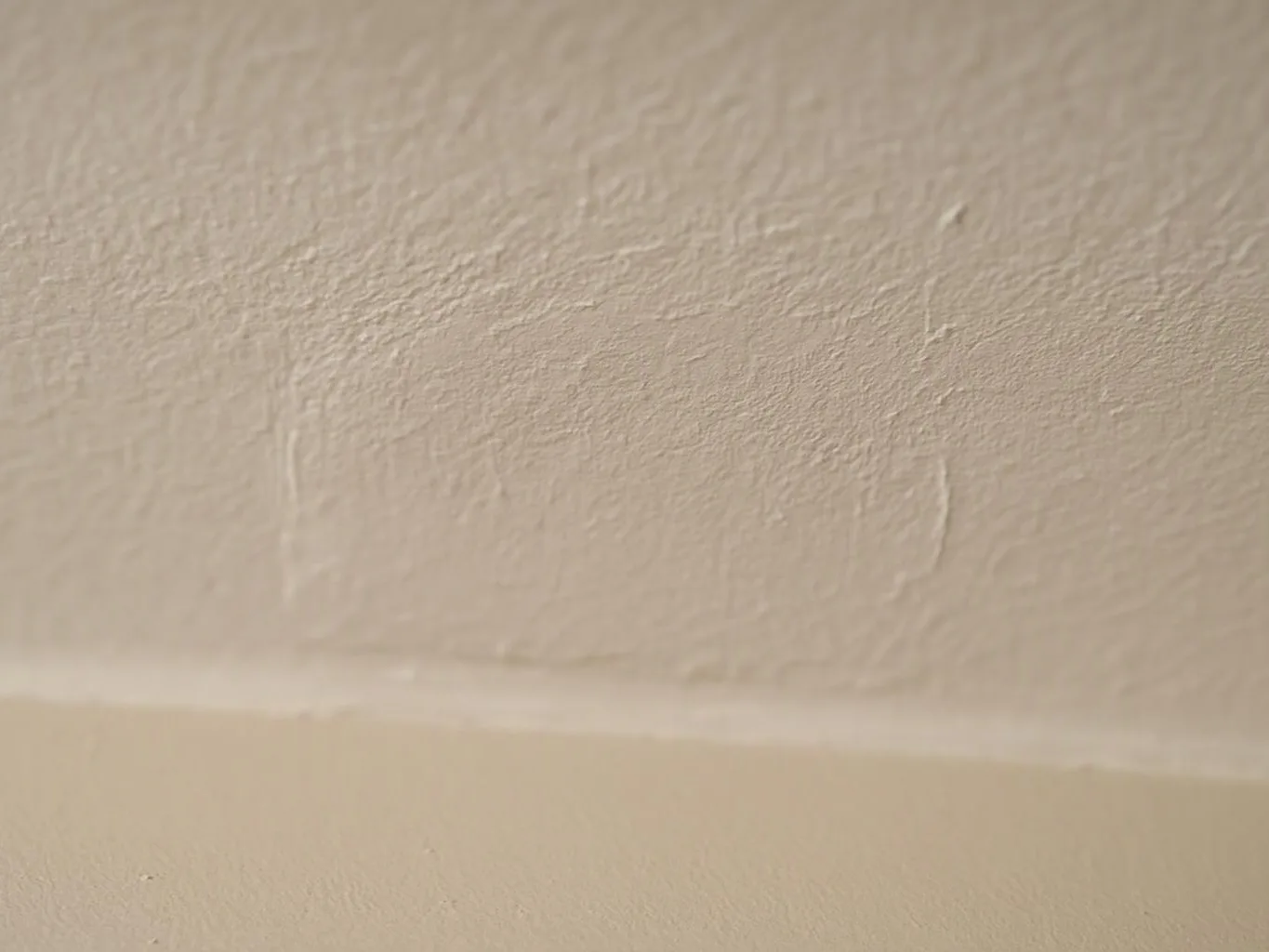
Grease, mildew, and chalky residue can sit between the coating and the substrate. That layer may cause early peeling even when the finish looks good at first.
Our crew cleans the surface, removes unstable residue, and sands glossy coating where needed. These steps help create stronger surface adhesion for the new paint.
Which Exterior Areas Should Be Inspected Before Repainting?
Exterior repainting inspections should cover siding, trim, roof-edge details, openings, horizontal surfaces, and joints where water can enter.
We inspect each area for loose coating, moisture signs, cracks, failed caulk, and substrate damage.
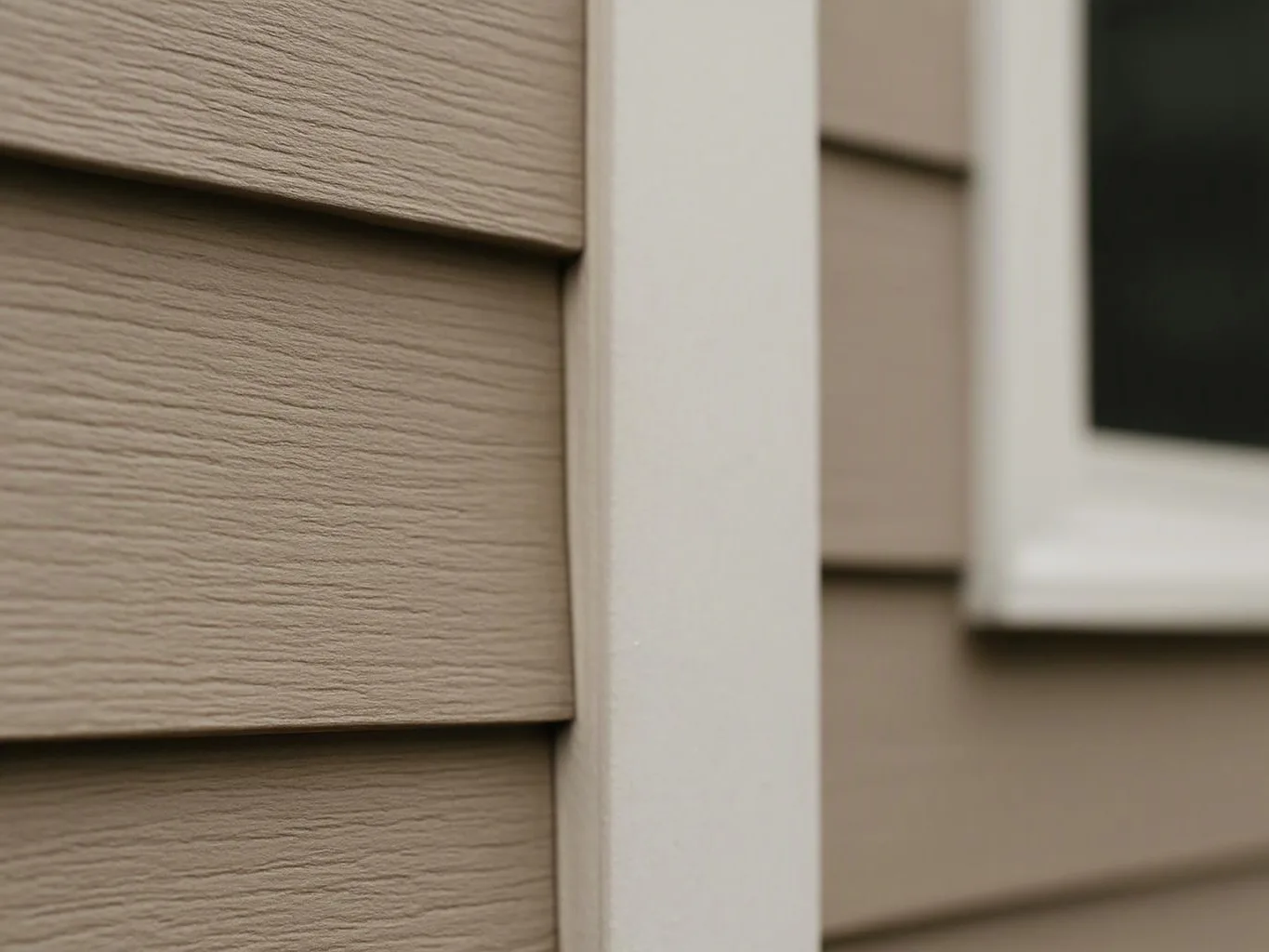
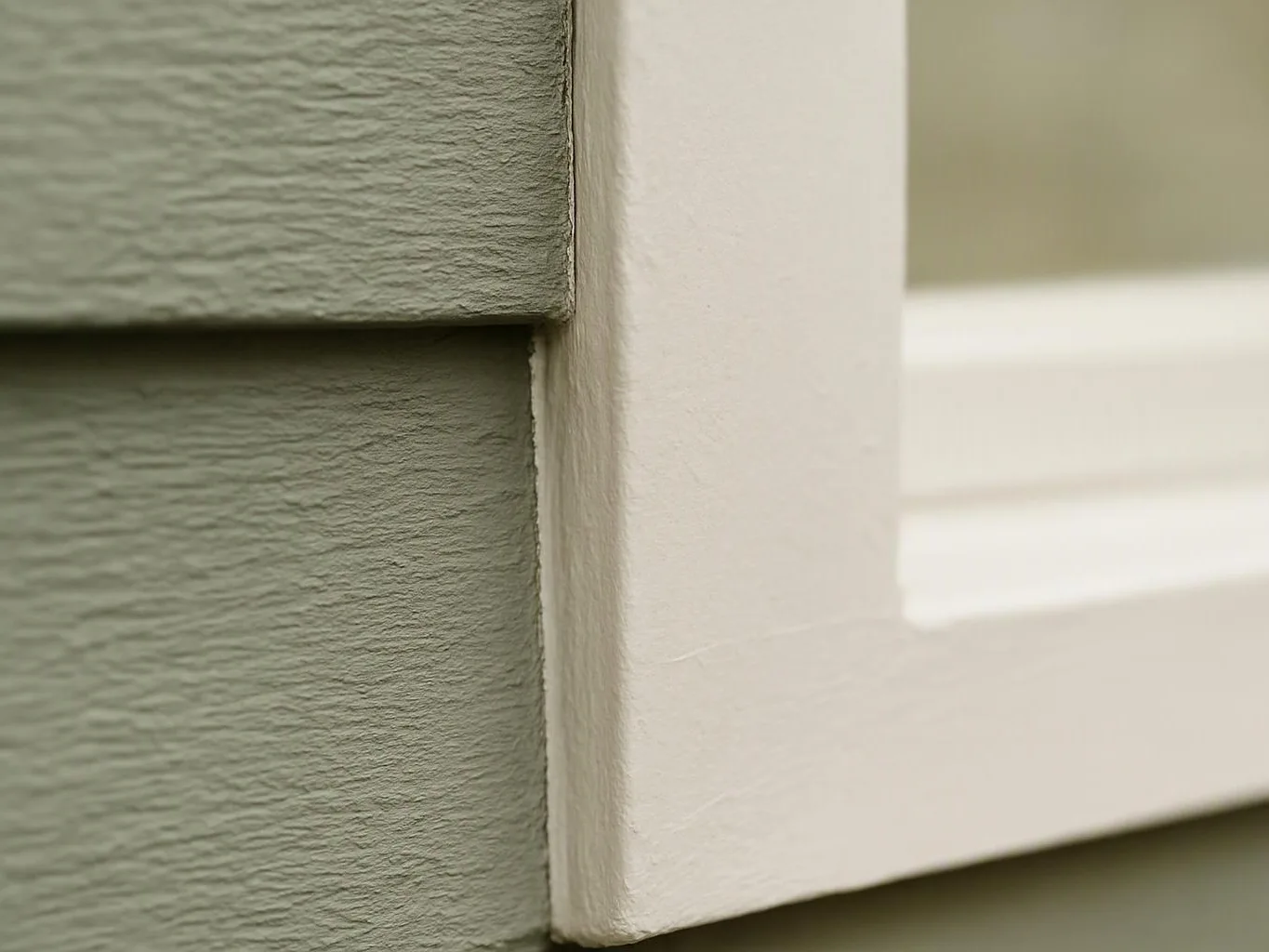
Siding and wood siding need checks for peeling paint, soft spots, and water damage. Trim, fascia, soffits, and eaves need close inspection because roof-edge details can collect moisture.
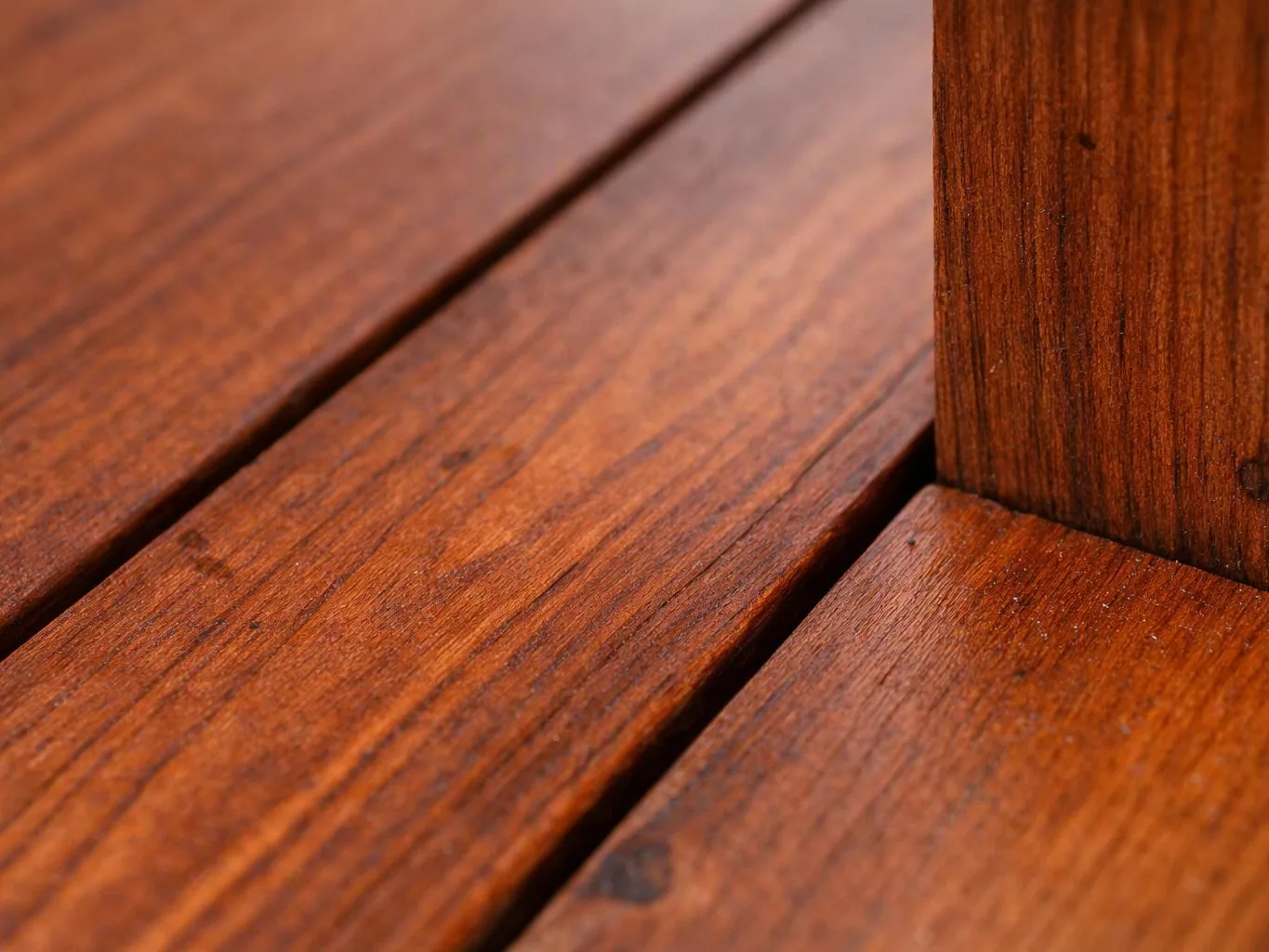
We also inspect doors, window trim, decks, railings, gutters, and caulk joints. These areas receive different weather exposure and may need different preparation.
How We Prepare Exterior Surfaces for a Lasting Repaint
PainterIssaquahwa.com prepares exterior surfaces by checking the substrate, removing failed coatings, correcting defects, and creating a clean surface for paint.
Our Exterior House Painting process starts with a surface assessment. We then plan cleaning, scraping, sanding, repairs, caulking, primer, and masking based on what the exterior needs.
We don't cover damaged areas without correcting the cause first. Our crew checks that repaired surfaces are sound, clean, and dry before applying exterior paint.
Free Estimates Available. We explain what the preparation and painting work includes so you can request an exact estimate for the job.
DIY Preparation or Calling Us: Which Approach Fits the Job?
You can handle safe, reachable cleaning and basic inspection, while PainterIssaquahwa.com handles full preparation when damage, ladders, or coating failure complicate the work.
Small surface issues still need careful attention before exterior painting. The table below shows where our team can take over.
| Factor | What you can do yourself | What we do |
|---|---|---|
| Surface cleaning | Clean safe, reachable areas and note spots that remain dirty. | We select suitable cleaning methods and prepare the full paint area. |
| Scraping | Check for loose coating from a safe position. | We remove failed coating and smooth the edges for repainting. |
| Ladder work | Avoid areas that require unsafe climbing or difficult access. | Our crew handles ladder work and checks elevated surfaces. |
| Wood damage | Look for soft spots, cracks, and visible water damage from a safe location. | We assess damaged wood and prepare repair areas before painting. |
| Primer | Identify exposed or repaired areas that may need primer. | We spot prime suitable areas after cleaning and repairs. |
How to Prevent Early Failure After Exterior Paint Preparation
Exterior paint lasts better when paint adhesion, surface dryness, and weather exposure are considered before coating.
Our team checks that the substrate is ready before applying paint. We also look for coating failure during maintenance inspections, so small problems don't stay hidden.
Watch for new paint peeling, blistering, flaking, or open caulk joints after repainting. These signs can point to moisture intrusion, movement, or an underlying surface problem.
Related warning signs are covered in Signs Your Home’s Exterior Paint Is Failing. For bubbling concerns, Why Exterior Paint Bubbles and What to Check Before Repainting explains what to inspect before another coat is applied.
Questions About Exterior Paint Preparation
What happens if you paint over peeling exterior paint?
Painting over peeling exterior paint leaves an unstable layer beneath the new coating. The fresh finish can lift, crack, or flake when the old paint continues to fail.
Can exterior paint preparation fix wood rot?
No, exterior paint preparation can't restore rotten wood. Our crew must assess and repair or replace damaged wood before priming and painting.
How can you tell whether exterior siding is ready to paint?
Exterior siding is ready to paint when the surface is clean, dry, stable, and free from loose coating and major defects. Our team checks the siding and prepares any areas that still need scraping, repair, sanding, caulk, or primer.
Should old exterior paint be primed before repainting?
Old exterior paint doesn't always need full priming when the coating is sound and properly prepared. Our team spot primes exposed, repaired, or porous areas to support paint bonding.