Cracks, Stains, and Peeling: What Popcorn Ceiling Damage Can Mean
Signs a popcorn ceiling needs repair or removal include cracking, water stains, and peeling texture. At PainterIssaquahwa.com, we check the damage, identify its likely cause, and recommend repair or removal based on the ceiling’s condition.
Get a Free EstimateWhat Cracks, Stains, and Peeling Popcorn Texture Can Signal?
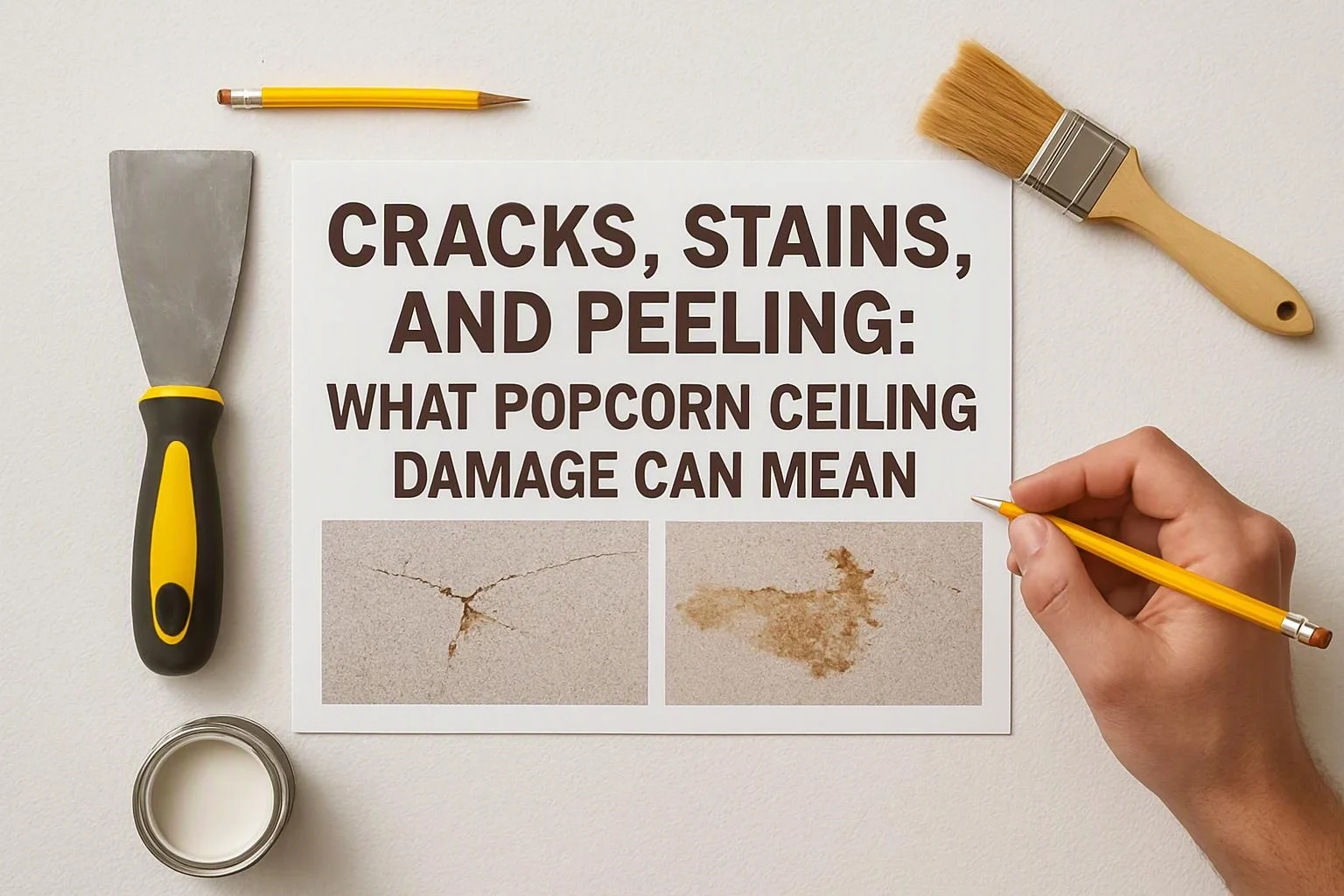
Popcorn ceiling damage can signal moisture, movement, age, or weak texture adhesion. The visible problem may affect only the texture, or it may reach the drywall below.
Moisture can soften the texture and leave stains. Aging can make the ceiling finish brittle, while poor adhesion can cause loose areas to fall. We look at the full ceiling surface before choosing a repair method.
Three Warning Signs Your Popcorn Ceiling Needs Attention
Three visible signs deserve attention: spreading cracks, water stains, and peeling texture. Each sign points to a different possible cause and next step.
A small surface issue may need localized work. A broad or recurring problem may require deeper inspection and popcorn ceiling removal.
Cracks That Spread or Follow the Ceiling Joint
Ceiling cracks can come from normal movement, drywall joint stress, or a damaged ceiling surface. Hairline cracks may stay limited, but wide cracks or cracks that keep growing need closer review.
A cracked popcorn ceiling can hide movement below the texture. Cracks that cross several areas, widen, or appear with sagging may be structural warning signs. We inspect the drywall and joints before we patch popcorn ceiling texture.
Water Stains or Discolored Areas
Water stains usually mean moisture reached the ceiling from a leak or another water source. Brown discoloration can remain after the surface dries, but the stain's cause still needs attention.
Moisture damage can weaken drywall, loosen the texture, and create a mold concern. We look for signs that the ceiling leak has stopped before planning surface work. A stain that returns needs source correction before painting or texture repair.
Peeling, Bubbling, or Falling Texture
Peeling texture means the texture coating has lost its bond with the ceiling surface. Bubbling, loose texture, and falling ceiling material can result from moisture, age, or poor adhesion.
Small loose spots may point to a local bonding problem. Repeated peeling across the ceiling suggests a broader condition. We check whether the drywall and paint layer remain sound before selecting a repair or removal plan.
When Popcorn Ceiling Texture Can Be Repaired
Popcorn ceiling texture can be repaired when damage is localized and the underlying ceiling remains sound. Localized damage may include a small stain, a limited crack, or a few loose spots.
Our team removes unstable material, prepares the surface, and fills damaged areas as needed. Good surface preparation helps the patch hold and keeps the repaired area level with the surrounding ceiling.
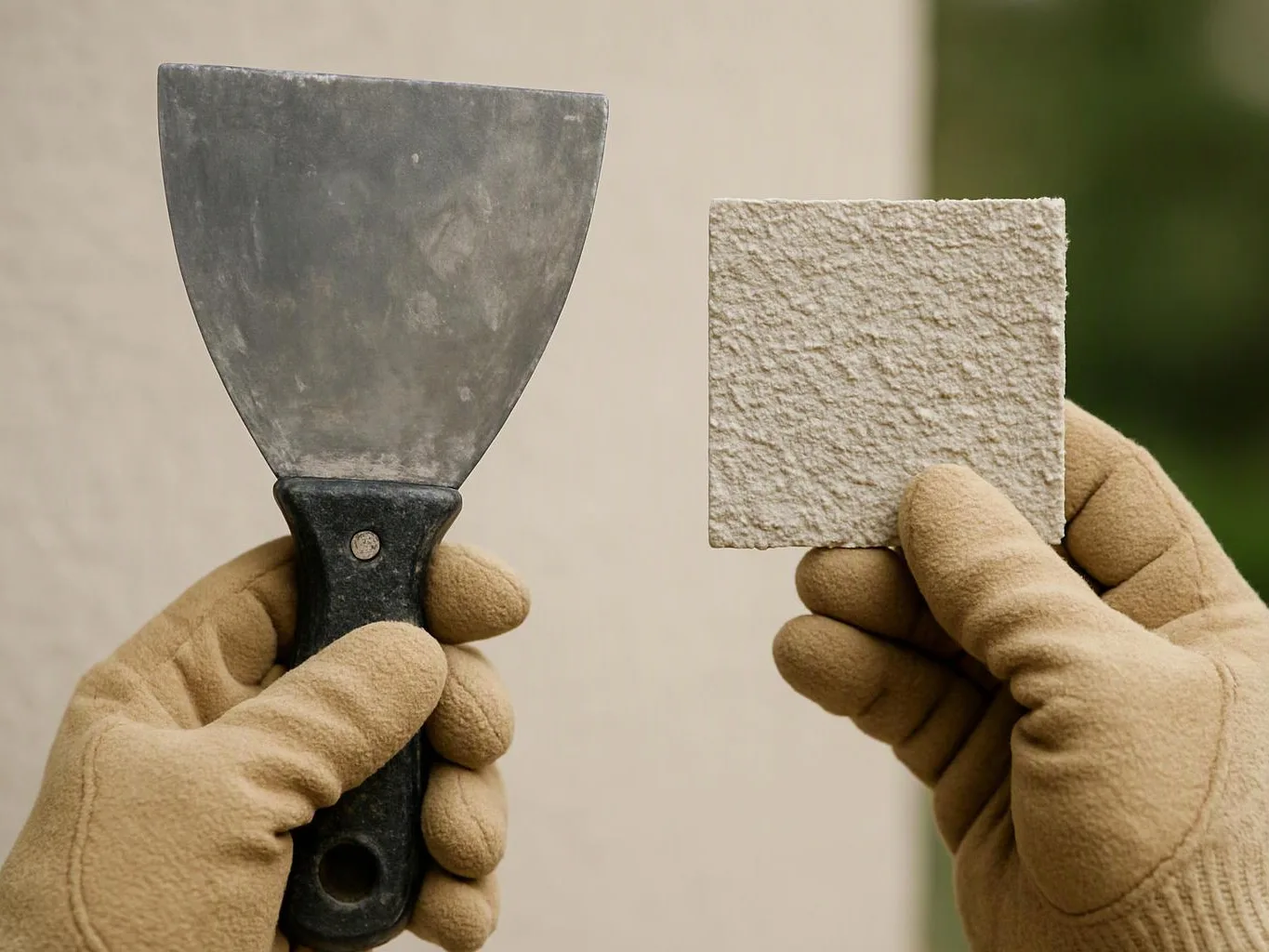
Texture blending is the final challenge. We work to match existing texture, but older acoustic ceilings may have changes from fading, paint buildup, or past repairs.
When Damaged Popcorn Ceiling Texture Should Be Removed
Popcorn ceiling texture should be removed when it is loose, widely damaged, or repeatedly separating from the ceiling. Removal may also make sense when damaged drywall needs broad access for inspection and repair.
Widespread damage can make spot repairs look uneven. Repeated peeling can also show that the texture no longer bonds well to the surface. We inspect the ceiling before recommending full removal.
Our Popcorn Ceiling Removal process includes protection, controlled removal, surface preparation, and planning for the desired finish. The final approach depends on the ceiling's condition and your finish expectations.
DIY Checks Compared With Our Ceiling Repair and Removal Work
You can safely observe visible damage from the floor and note when it changes. Our team handles close inspection, ceiling texture repair, popcorn ceiling removal, and the surface preparation those services require.
The table shows where a basic DIY inspection ends and our work begins. Avoid disturbing loose material when the ceiling condition is unclear.
| Factor | What you can do yourself | What we do |
|---|---|---|
| Visible condition | Look for cracks, stains, bubbles, or loose areas from a safe position. | Assess the texture, paint layer, ceiling surface, and surrounding drywall. |
| Possible moisture | Note active drips, returning stains, or nearby plumbing concerns. | Consider the moisture source and explain what must be addressed before ceiling work. |
| Texture repair | Avoid scraping or disturbing loose material when the condition is uncertain. | Prepare the area, repair damaged ceiling texture, and work toward a consistent finish. |
| Removal decision | Record where damage appears and whether it keeps spreading. | Assess whether localized repair or full popcorn ceiling removal fits the surface condition. |
How We Assess Popcorn Ceiling Damage
PainterIssaquahwa.com checks the texture, surrounding drywall, and likely damage source before recommending repair or removal. Our team starts with a ceiling inspection that follows the visible problem across the nearby surface.
We look for moisture signs, weak texture, damaged drywall, and changes around ceiling joints. We also consider whether the moisture source has been corrected before planning finish work.
Our recommendation explains whether localized texture repair is suitable or whether removal preparation is safer for the finish. Free Estimates Available.
What Changes the Scope of Popcorn Ceiling Repair or Removal
The work depends on the damaged area, surface condition, access, and whether the texture needs repair or full removal. A small repair has different preparation needs than a ceiling with repeated peeling.
Texture thickness affects how well a patch can blend. Ceiling access affects protection and dust control, while moisture damage may require attention before the finish work starts.
Finish expectations also shape the plan. We explain what the existing texture can support and what preparation is needed for a smoother paint finish.
Questions About Popcorn Ceiling Damage
Can you paint over a damaged popcorn ceiling?
Painting over a damaged popcorn ceiling usually won't solve loose texture, active moisture damage, or open cracks. We first check the ceiling surface, repair unstable areas, and prepare the texture so the paint finish has a sound base.
Why does popcorn ceiling texture fall off in small spots?
Popcorn ceiling texture can fall off in small spots when moisture, age, impact, or weak adhesion affects the bond. We check each spot and the surrounding ceiling to see whether a localized patch can hold or whether the texture is separating more broadly.