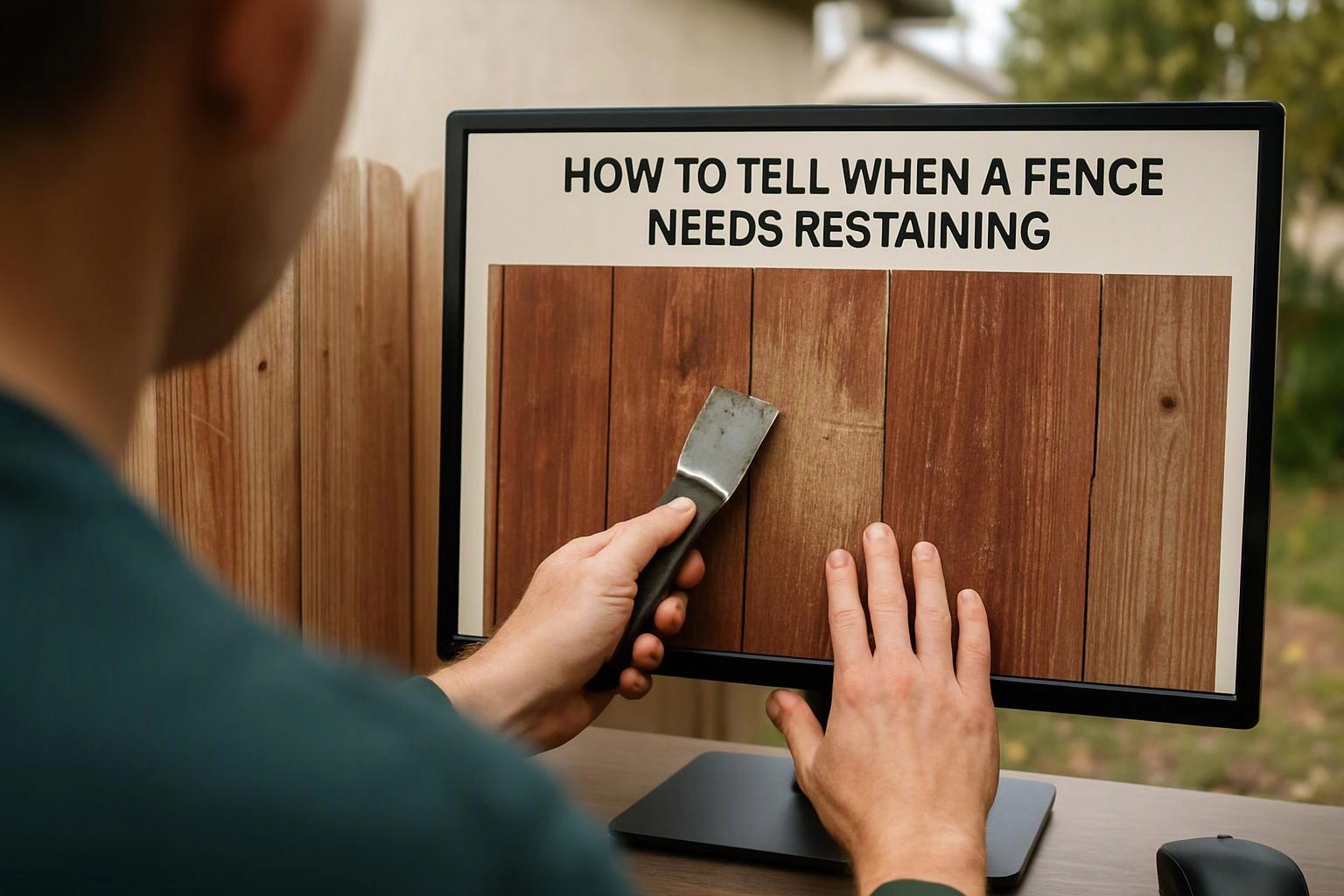
How to Tell When a Fence Needs Restaining
A fence needs restaining when its color has faded, wood has turned gray, water soaks in, or stain peels and exposes the boards. At PainterIssaquahwa.com, we check the surface, prepare the wood, and recommend the right fence staining approach.
Get a Free EstimateWhat Are the Signs a Fence Needs Restaining?
A fence needs restaining when its protective stain has faded, worn away, or stopped helping water bead on the wood.
A visual check can show whether the fence stain has worn off. Look across the boards, posts, rails, and gates for these changes.
One sign may call for closer inspection, while several signs usually point to failing protection. The wood condition still matters before any new stain goes on.
Why Is My Fence Turning Gray?
Gray wood develops when weather and sunlight break down the wood surface and the existing stain no longer shields it.
Ultraviolet exposure fades the color and weakens the outer wood fibers. Rain and moisture add more weathering, especially where the fence stain has worn thin.
Gray color doesn't always show deep damage, but it signals reduced wood protection. We inspect how far the weathering has reached before choosing cleaning and stain methods.
What Does It Mean When Water Soaks Into Fence Boards?
Water absorption means the fence surface has lost enough protection to need closer inspection and possible restaining.
A protected surface usually allows light rain to bead before it runs off. When water soaks into wood, the boards can hold more moisture and weather faster.
We check the boards for uneven absorption, soft-looking areas, and exposed wood. The result helps us judge whether cleaning, drying, or more surface preparation is needed.
Can Peeling Fence Stain Be Coated Over?
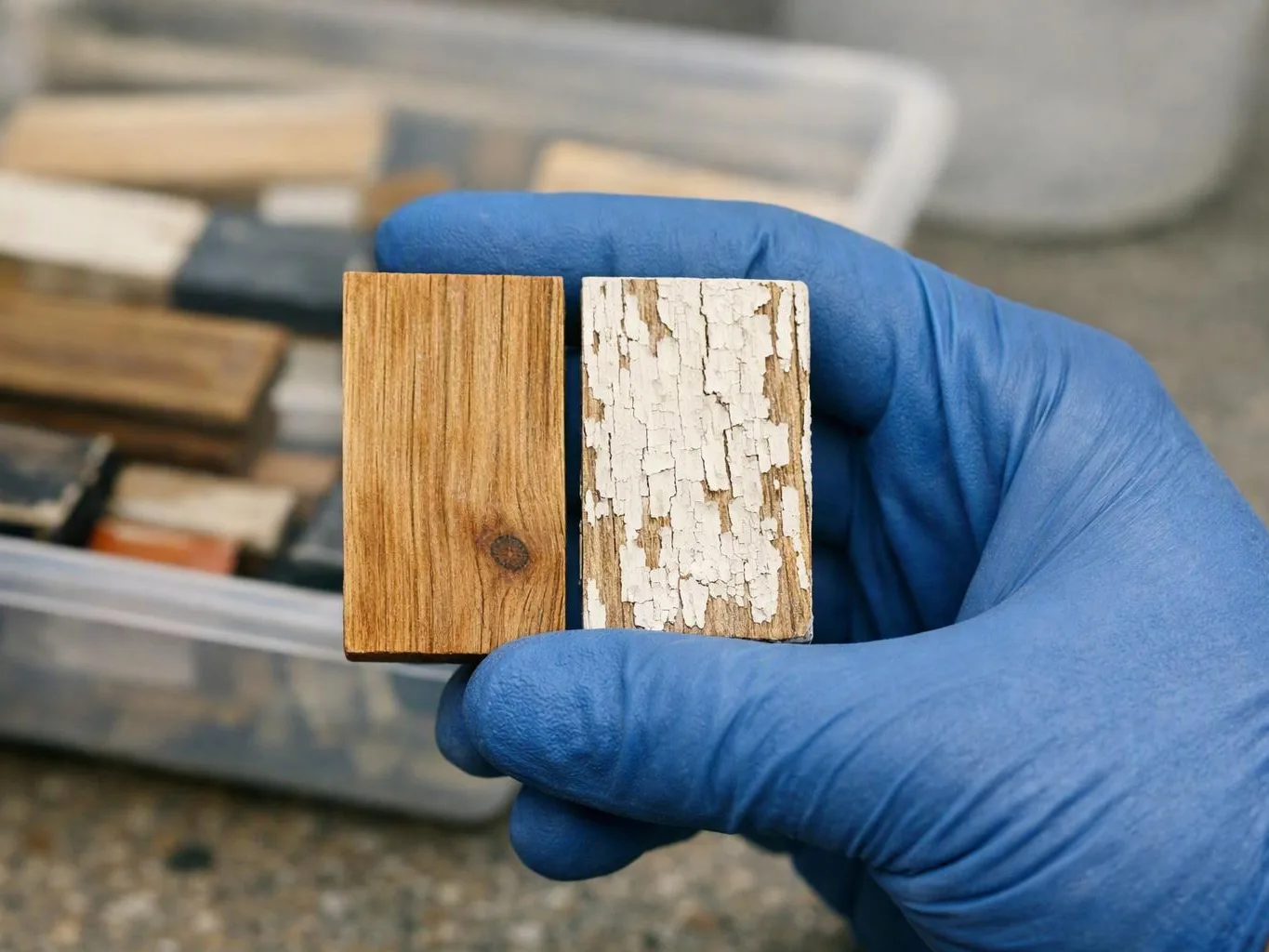
Peeling fence stain shouldn't be coated over because loose material can stop the new stain from bonding evenly.
Loose stain creates an unstable surface. New coating may follow the old peeling pattern, leaving uneven color and weak stain adhesion.
We assess the wood condition first. Cleaning, sanding, and loose stain removal may be needed before the surface can accept a fresh protective coating.
When Should You Restain a Fence?
Restaining should happen when inspection shows faded protection, gray wood, water absorption, or failing stain.
A fixed restaining schedule doesn't suit every wood fence. Weather exposure, wood type, and the existing stain affect how quickly the surface changes.
Surface preparation also affects the right timing. We look at the fence condition and prepare the wood before recommending a new coat.
DIY Fence Staining or Calling Us?
A simple visual check can help you spot faded color, gray boards, and peeling stain. The work becomes more involved when the fence needs cleaning, sanding, or broad stain removal.
Our team can assess the preparation needs and complete the stain application. Free Estimates Available.
| Factor | What you can do yourself | What we do |
|---|---|---|
| Fence inspection | Look for faded color, gray wood, water absorption, and peeling stain. | We inspect boards, posts, rails, gates, and the stained surface. |
| Surface preparation | Identify areas that look dirty, rough, or loose. | We determine the cleaning, sanding, drying, and loose stain removal needed. |
| Stain application | Choose a stain and consider how evenly the wood may absorb it. | We select an approach based on wood condition and apply stain to a prepared surface. |
How We Prepare a Fence for Restaining
We inspect the fence, prepare the surface, and apply stain only when the wood can accept an even coat. Our fence staining process connects each step to the condition of the wood.
Good preparation supports even stain absorption and stronger adhesion. We also look for areas that may need extra attention before coating begins.
What Changes the Quote for Fence Restaining?
The quote for fence restaining depends on the fence size, surface condition, preparation work, access, and selected stain.
Stain removal and cleaning needs can add preparation work when the existing coating is loose or heavily weathered. Wood type also affects stain absorption and the finish selection.
We review these factors during the fence inspection. Then we explain what preparation and stain application the project needs so you can request an exact quote from us.