How Long Does Cabinet Painting Take?
Painting kitchen cabinets takes a project-specific timeline shaped by cabinet size, surface condition, preparation, drying, and finish requirements. Thomas J. Painting reviews these factors before setting a schedule.
Get a Free EstimateWhat Determines How Long Cabinet Painting Takes?
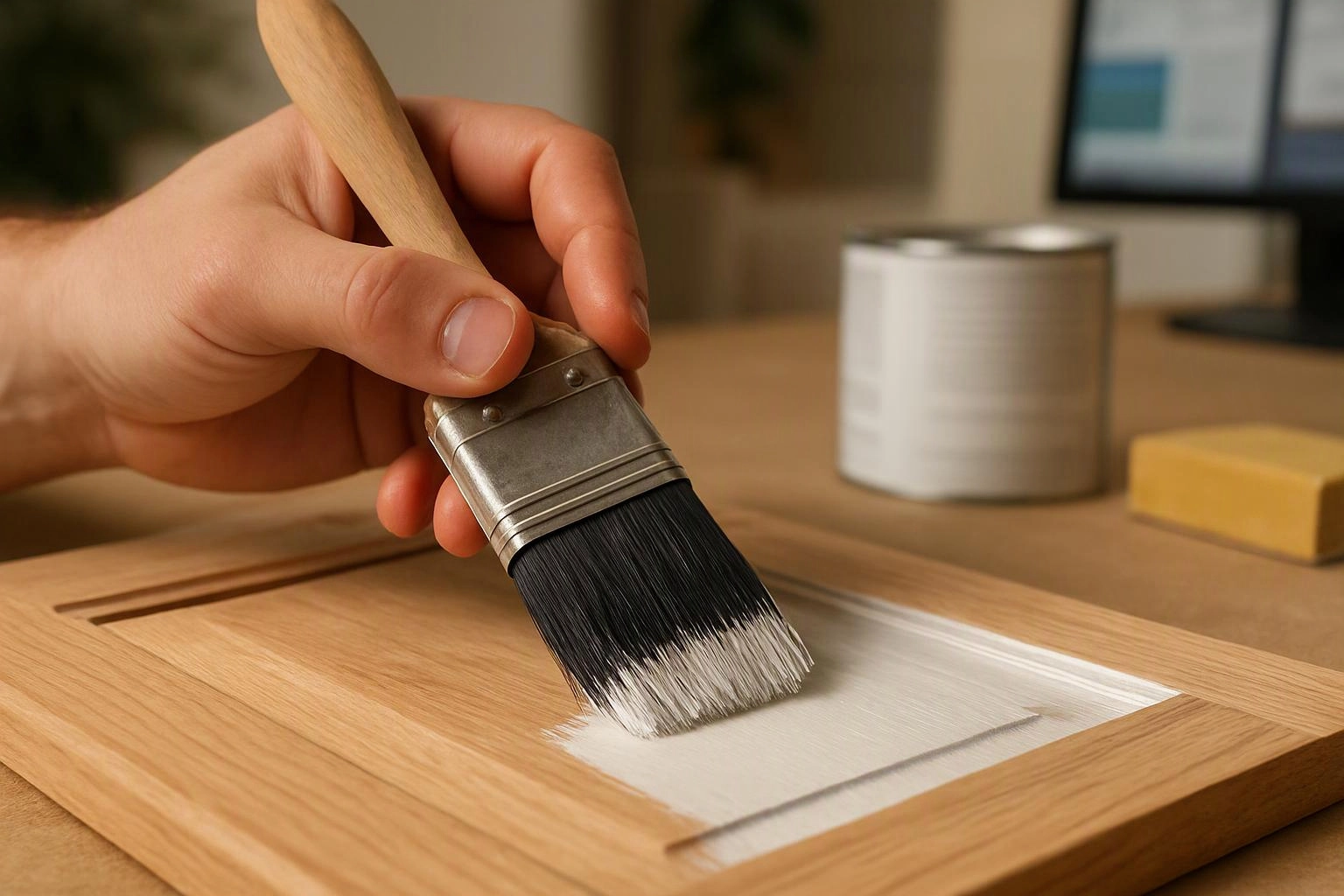
Kitchen cabinet painting takes different amounts of time because preparation, repairs, cabinet layout, and coating requirements vary by project.
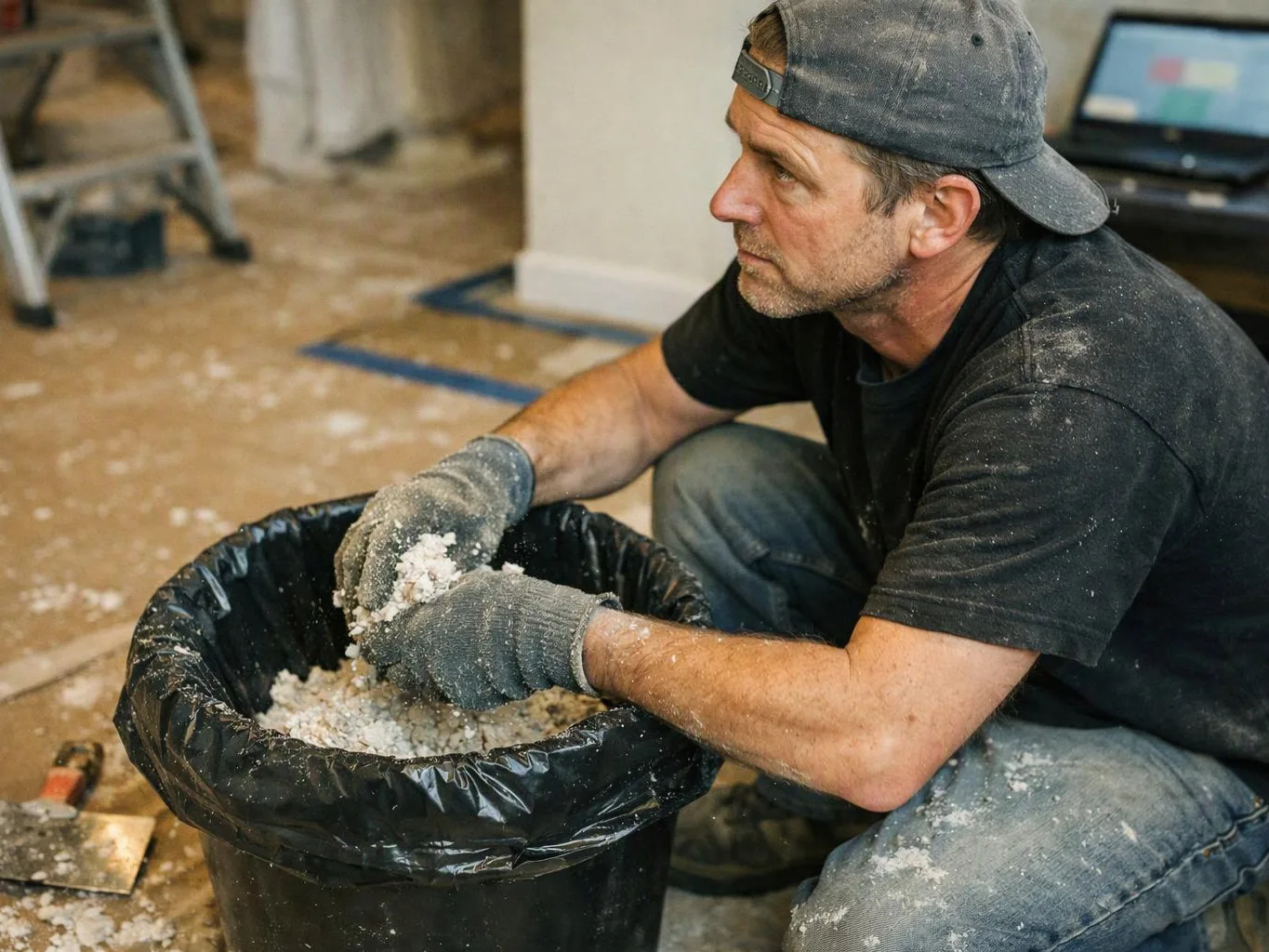
Cabinet painting takes longer when surfaces have grease, peeling coating, dents, or poor adhesion. We inspect the surface condition and cabinet layout before planning the work.
Kitchen cabinets with many doors, drawers, shelves, or separate cabinet boxes require more handling. The paint system also matters because spray finishing and brush and roller finishes have different preparation and drying needs.
What Happens During a Cabinet Painting Project?
A cabinet painting project moves through inspection, preparation, coating, drying, and final installation steps. Our crew keeps the project sequence clear so each stage supports the next one.
Each step helps protect the finish and reduce avoidable delays. We adjust the sequence when cabinet repairs or access needs change.
How Each Project Stage Can Change the Schedule
Each project stage affects the schedule through the amount of preparation, repair, coating, and drying the cabinets need. Cabinet doors and boxes may also move through separate work areas.
| Project stage | Work involved | Scheduling effect |
|---|---|---|
| Inspection | Review of layout, finish, damage, and access | Sets the work sequence and identifies possible delays |
| Cabinet doors and drawers | Removal, labeling, preparation, coating, and drying | Adds handling and space needs away from the cabinet boxes |
| Cabinet boxes | Masking, cleaning, sanding, repairs, and coating in place | Depends on kitchen access and protection of nearby surfaces |
| Drying and curing | Allowing coatings to dry and harden between work stages | Controls when parts can be handled and reinstalled |
We protect the schedule by keeping parts organized and following the coating requirements. The final timing depends on the finish system and the condition found during preparation.
What Can Make Cabinet Painting Take Longer or Finish Sooner?
Cabinet condition, project size, preparation, repairs, paint selection, and drying conditions can extend or shorten the timeline. We review these factors before setting the project schedule.
Our team explains schedule changes when the actual cabinet condition differs from the initial review. Clear preparation decisions help prevent surprises during the work.
How Do We Build a Cabinet Painting Schedule?
We build the cabinet painting schedule after reviewing the cabinet condition, scope, access, and finish requirements.
Thomas J. Painting starts with a cabinet assessment and defines the scope of work. We note which doors, drawers, boxes, shelves, and hardware are included.
Next, we plan the project sequence around preparation, repairs, primer, finish coats, drying, and reinstallation. Customer access also matters, so we discuss how the kitchen can remain usable during the work.
Our Cabinet Painting consultations are free, and we use that discussion to explain the planned work and schedule.
How Should You Plan Around a Cabinet Painting Project?
You should plan for limited kitchen access while cabinet parts are prepared, coated, dried, and reinstalled.
Remove personal items from the cabinets before work begins, and keep needed appliances accessible when possible. We can explain which areas need clear access for masking and preparation.
Hardware should stay organized if you plan to reuse it. We label removed parts and coordinate reinstallation with the project sequence.
Drying and curing affect when cabinets can handle normal use. Plan simple meals and a flexible home routine until we confirm that the kitchen is ready.
What Should a Cabinet Painting Quote Include?
A cabinet painting quote should explain the preparation, repairs, coating steps, hardware handling, schedule, and project conditions.
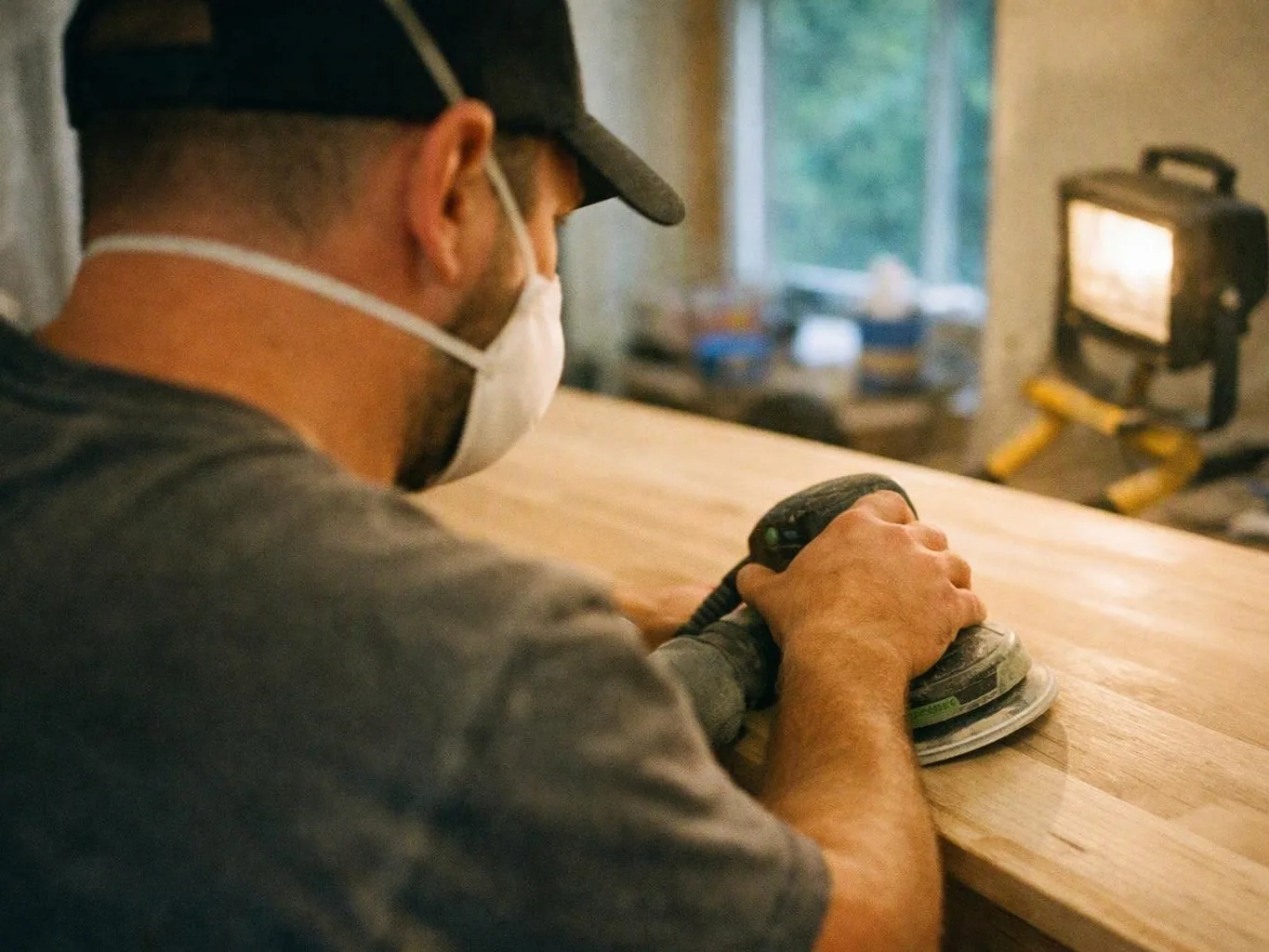
Our quote describes the cabinet inspection, cleaning, sanding, masking, repairs, primer, and finish coats. It also identifies how we will handle cabinet doors, drawers, boxes, shelves, and hardware.
The project schedule should show the planned sequence and access needs. We explain what can change the timing so you can plan your home routine with confidence.
Thomas J. Painting offers Free Consultations to review the cabinets and build a clear scope of work. Requesting a consultation is the best way to obtain an exact project schedule and quote.
Questions About Cabinet Painting Timelines
Can cabinets be painted while they remain in the kitchen?
Yes, cabinet boxes can often be painted in the kitchen while doors and drawers are prepared separately. Thomas J. Painting protects nearby surfaces and plans the work around safe kitchen access.
Why does cabinet preparation affect the painting schedule?
Cabinet preparation affects the schedule because cleaning, sanding, masking, and repairs create the base for paint adhesion. We complete this work before coating so the finish has a clean and stable surface.
Do cabinet doors and drawers need separate preparation?
Yes, cabinet doors and drawers need separate handling because each part has edges, faces, and hardware areas to prepare. We label and organize these parts before applying the coating system.
How does cabinet damage affect the painting timeline?
Cabinet damage can extend the painting timeline when dents, cracks, worn edges, or loose parts need repairs. Our crew reviews the damage and explains the added preparation before work begins.
When should kitchen hardware be removed for cabinet painting?
Kitchen hardware should be removed before cleaning, sanding, and coating begin. We handle removal and labeling as part of the planned cabinet painting sequence.
Cabinet painting schedules depend on the actual surfaces, parts, repairs, coating system, and kitchen access. Contact Thomas J. Painting for a clear consultation and project plan.
Related Resources
What to Do About Chipped or Peeling Cabinet Paint
Brand vs BrandThomas J. Painting vs Local Carpenter Alternatives in Issaquah: Side-by-Side Comparison
Compared ToLocal Specialist vs National Carpenter Providers in Issaquah: Cost & Service Compared
What It SolvesWhen Peeling Siding Paint Points to a Bigger Repair