
What Is Backrolling?
Backrolling is a paint application method that uses a roller after spraying or brushing. The roller presses paint into the surface and helps create an even film. Painters often use backrolling on walls, ceilings, and textured areas where a smooth, consistent finish depends on good contact with the surface.
Quick Facts About Backrolling
Category
Paint application method
Used for
Walls, ceilings, and textured surfaces
Common confusion
It is not ordinary rolling alone
Also called
Back Rolling
Often discussed with
Interior House Painting
Key Takeaways About Backrolling
- A roller follows spraying or brushing during the same coat.
- The process improves paint contact with texture and small surface gaps.
- Backrolling is not the same as rolling a wall without another application method.
How Backrolling Works
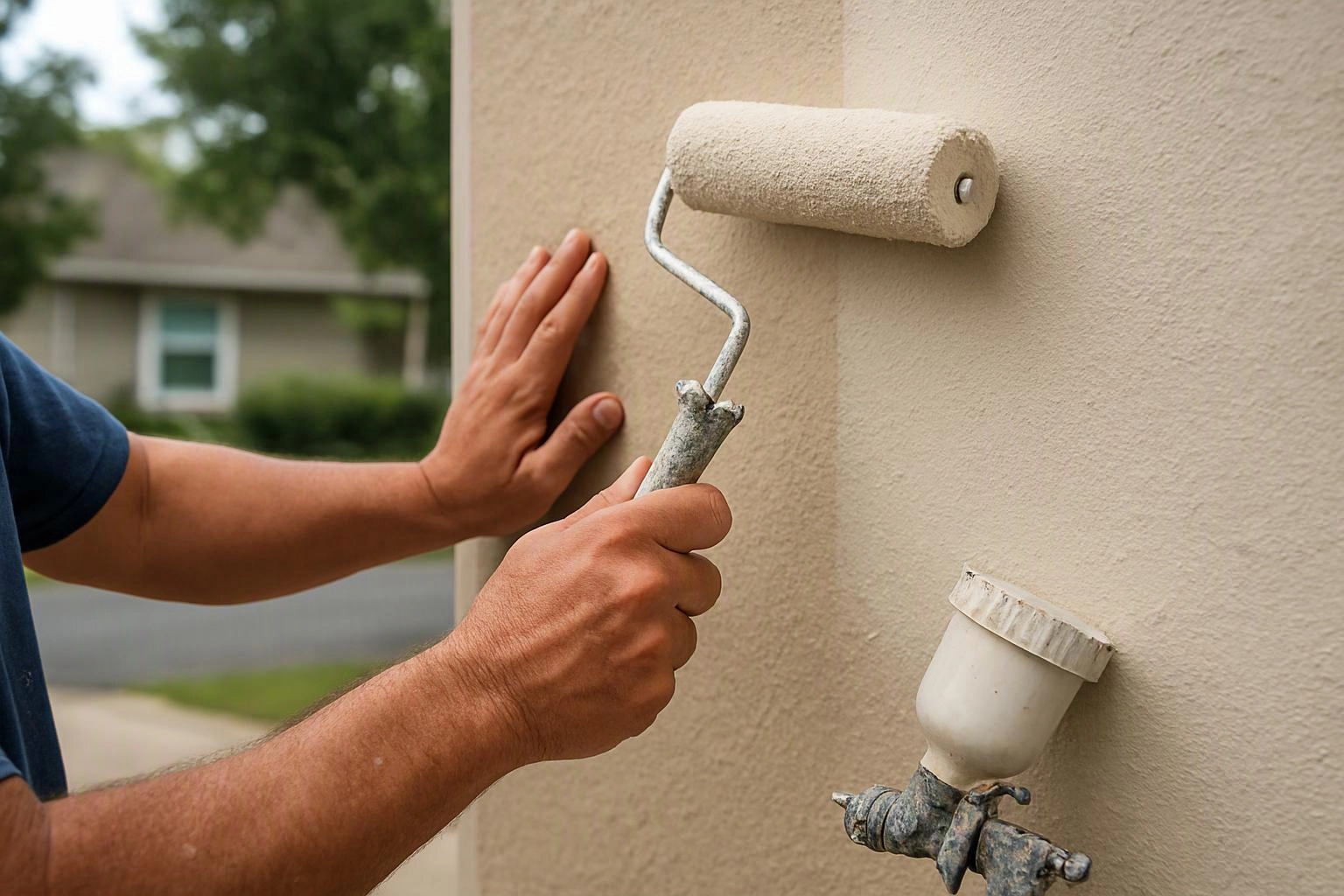
Backrolling follows another paint application method during the same coat. A painter applies paint by spray or brush, then rolls over the wet paint. The roller spreads the coating and pushes it into small dips, pores, or texture.
Related glossary terms: Back Brushing, Paint Adhesion, Paint Sprayer.
The roller cover and pressure affect the final surface pattern. A painter keeps the work area wet enough for the roller to blend each pass. Backrolling can also help limit visible differences between sprayed areas and hand-painted edges.
Where Backrolling Fits
Interior walls and ceilings may need this method when the surface has texture or uneven porosity. Paint adhesion still depends on clean, sound surfaces. Surface preparation must come before the coating process.
From the Thomas J. Painting team
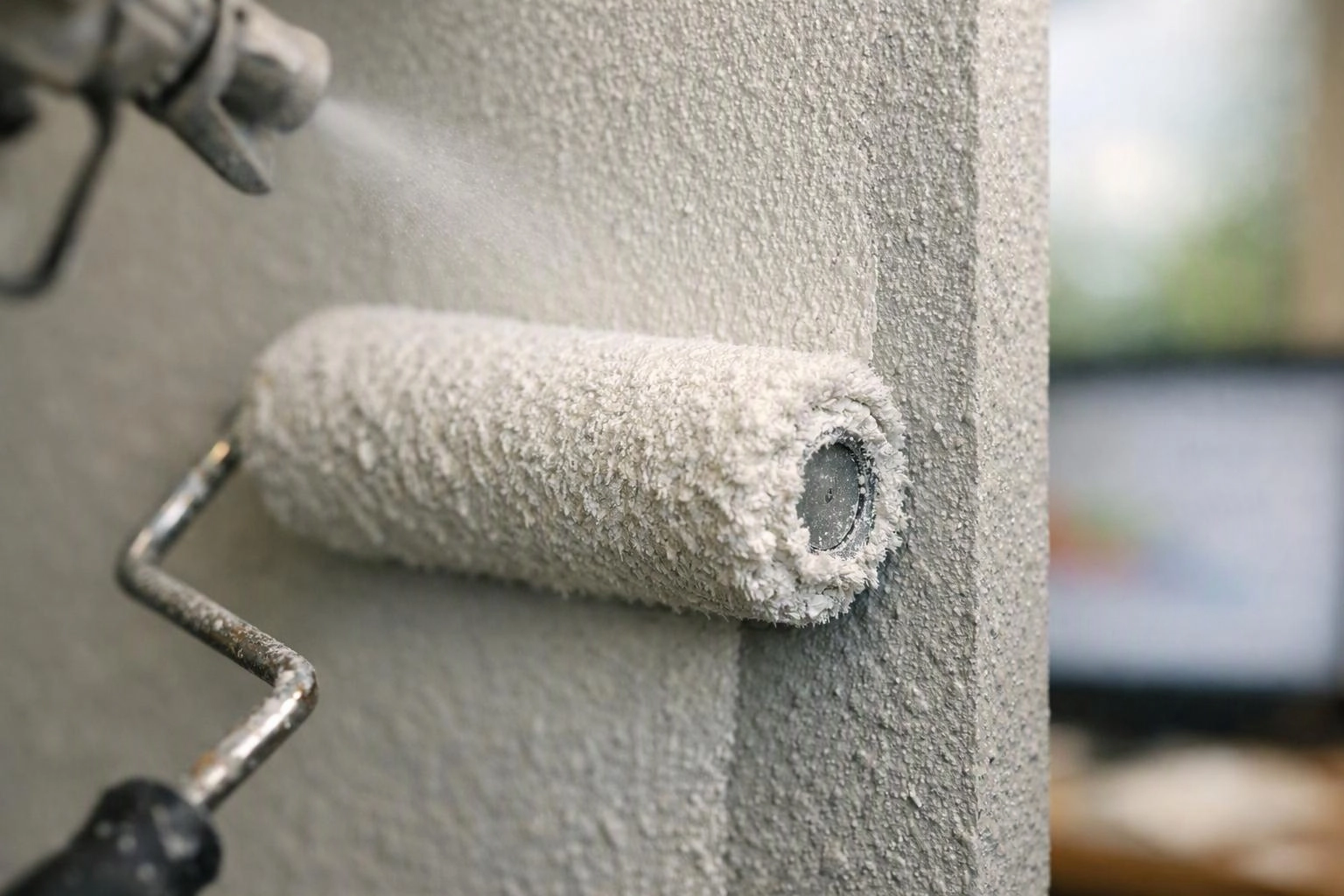
When we backroll interior paint, we work across manageable sections while the coating remains wet. We check the roller pattern, coverage, and transitions near corners. Our team also watches for texture that needs more pressure or a different roller cover.
Backrolling in Practice: A Real-World Example
In an Issaquah living room with lightly textured walls, a painter sprays the main wall area and then backrolls the wet paint. The roller presses paint into the texture and helps the wall keep a consistent appearance near the cut-in edges.
Related Services
Related Terms
Back Brushing
Back brushing is a staining method that works wet stain into wood pores, grain lines, and…
Paint Adhesion
Paint Adhesion is the bond between a coating and the surface beneath it. Strong adhesion helps…
Paint Sprayer
A paint sprayer is a powered tool that turns liquid coating into a fine spray for…
Surface Preparation
Surface Preparation is the planned cleaning, repair, and conditioning of a surface before paint application. It…
Thomas J. Painting
Have Questions About Backrolling?
Contact Thomas J. Painting for practical guidance on Backrolling and related painting contractor work in Issaquah.