
What Is Back Brushing?
Back brushing is a staining method that works wet stain into wood pores, grain lines, and small surface gaps with a brush. A painter applies stain by another method, then brushes across the coated area to spread the material evenly. This technique helps deck stain reach textured boards and reduces excess material on the surface.
Quick Facts About Back Brushing
Category
Stain application method
Used for
Wood decks and textured surfaces
Common confusion
Often confused with backrolling
Often discussed with
Deck Staining
Key Takeaways About Back Brushing
- A brush works stain into pores and grain lines.
- The method follows stain application and improves surface coverage.
- Back brushing is not the same as backrolling.
How Back Brushing Works
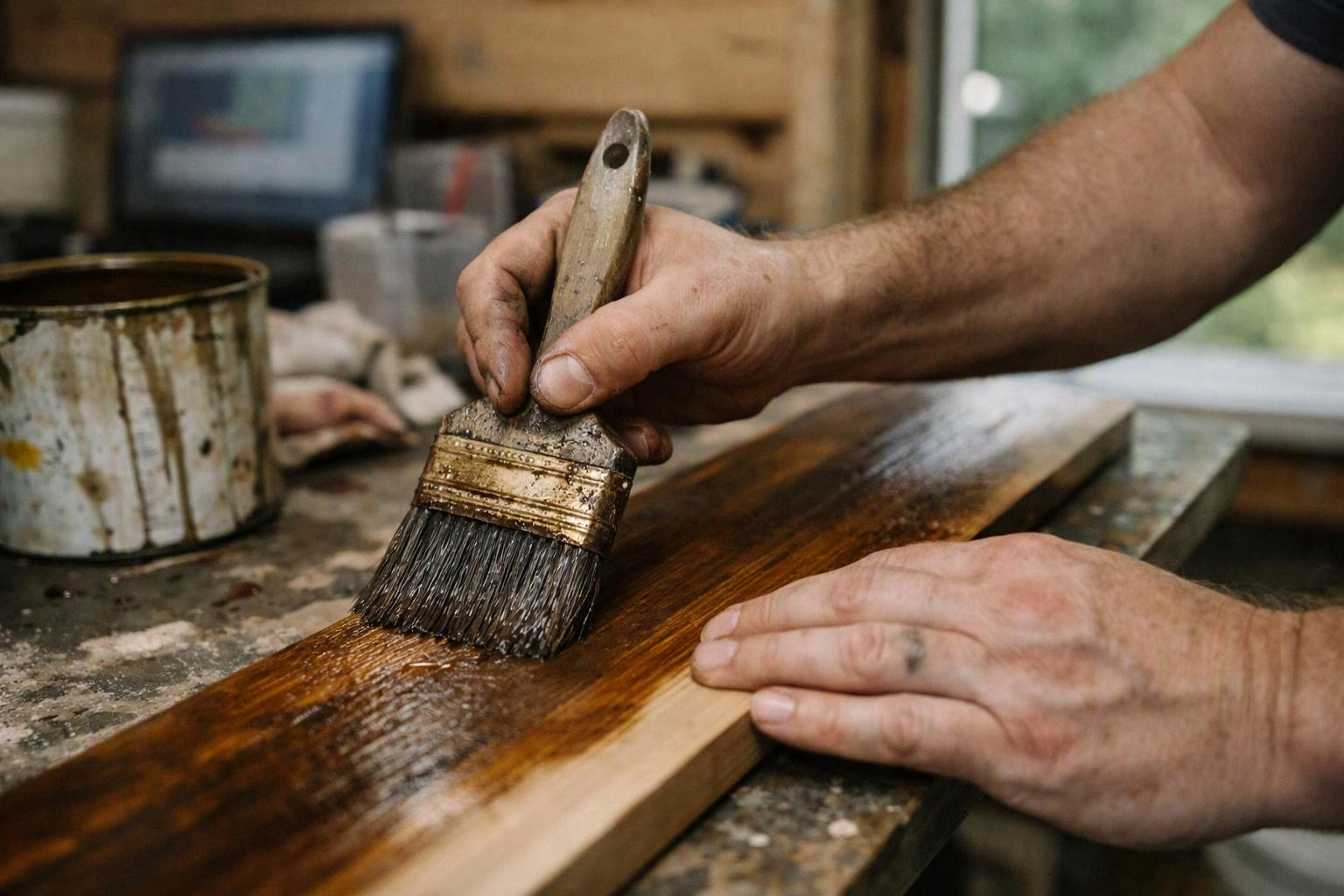
Back brushing moves wet stain into the wood with a brush after the surface receives stain. The brush follows the grain and works material into shallow cracks, pores, and uneven areas. This gives the stain a more even spread across textured deck boards.
Related glossary terms: Backrolling, Surface Preparation, Paint Adhesion.
The painter controls the brush pressure and direction during the process. Extra stain gets spread into dry-looking areas, while heavy spots get worked out before the coating sets. Back brushing works with a pad or sprayer, depending on the deck surface and the stain product.
Surface preparation comes before staining. The wood must be clean and ready to accept the coating. Back brushing cannot correct rotten wood, peeling coatings, or deep surface damage.
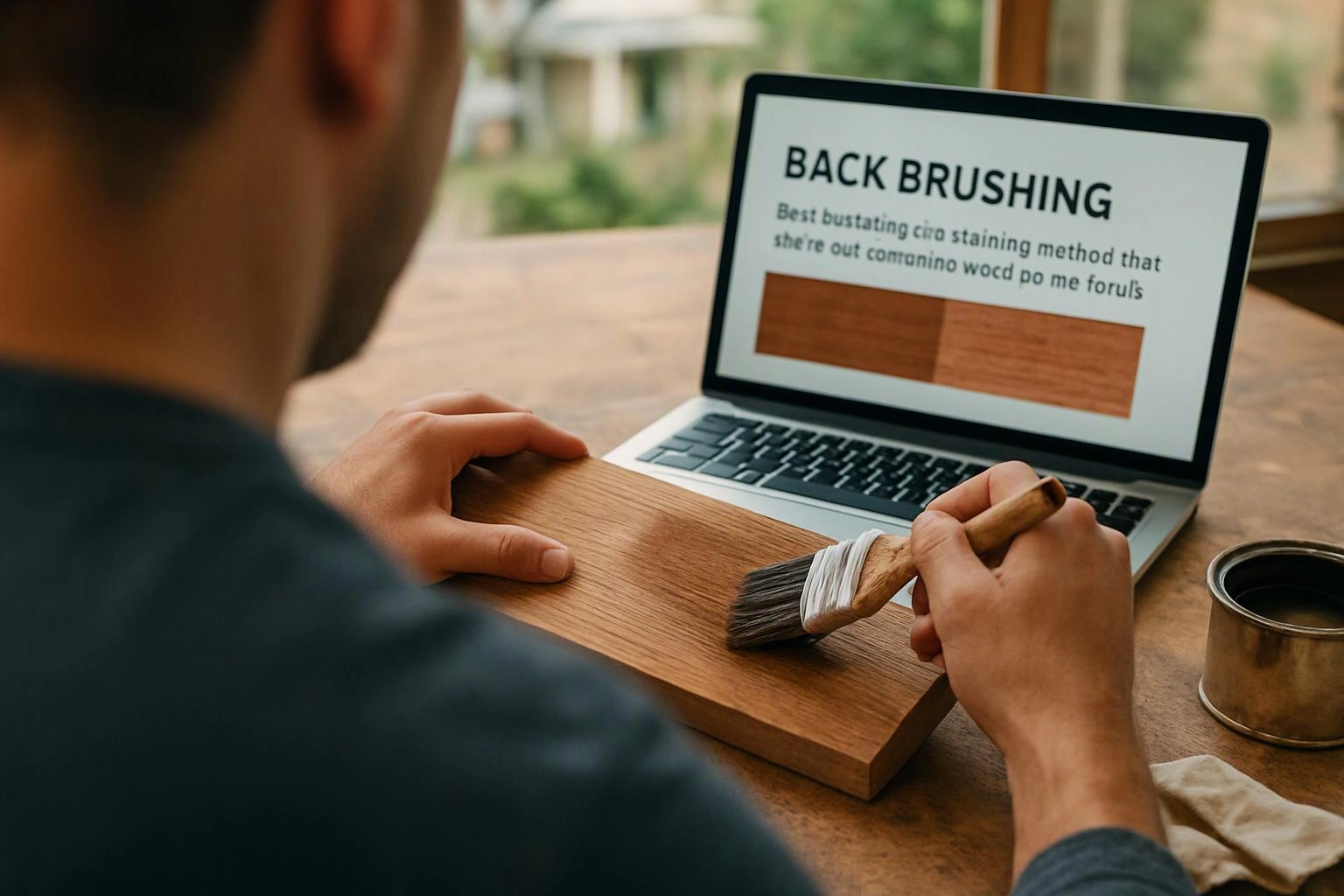
From the Thomas J. Painting team
When we stain a deck, we watch how quickly the wood absorbs the coating. We back brush areas that look dry, uneven, or textured, and we blend the work into nearby boards. Our team also checks corners, board edges, and end grain before the stain sets.
Back Brushing in Practice: A Real-World Example
A homeowner has a weathered wood deck with visible grain and shallow surface cracks. After stain is applied, the painter back brushes each section so the coating reaches the grain and excess stain does not collect in darker patches.
Related Services
Related Terms
Backrolling
Backrolling is a paint application method that uses a roller after spraying or brushing. The roller…
Surface Preparation
Surface Preparation is the planned cleaning, repair, and conditioning of a surface before paint application. It…
Paint Adhesion
Paint Adhesion is the bond between a coating and the surface beneath it. Strong adhesion helps…
Thomas J. Painting
Have Questions About Back Brushing?
Contact Thomas J. Painting for practical guidance on Back Brushing and related painting contractor work in Issaquah.