
What Is Back-Rolling?
Back-Rolling is a paint application method that uses a roller after spraying to press fresh coating into siding texture and surface pores. The roller helps spread the coating evenly and improves contact with uneven areas. Painters often use this method on exterior surfaces where spray alone may leave thin spots or an uneven finish.
Quick Facts About Back-Rolling
Category
Paint application method
Used for
Exterior siding and textured surfaces
Common confusion
It follows spraying instead of replacing surface preparation
Also called
Back Rolling, Spray and back-roll
Often discussed with
Exterior House Painting
Key Takeaways About Back-Rolling
- A roller follows the sprayer while the coating is still wet.
- The method helps cover texture, pores, and small surface variations.
- Back-rolling is not the same as rolling a dry surface.
How Back-Rolling Works
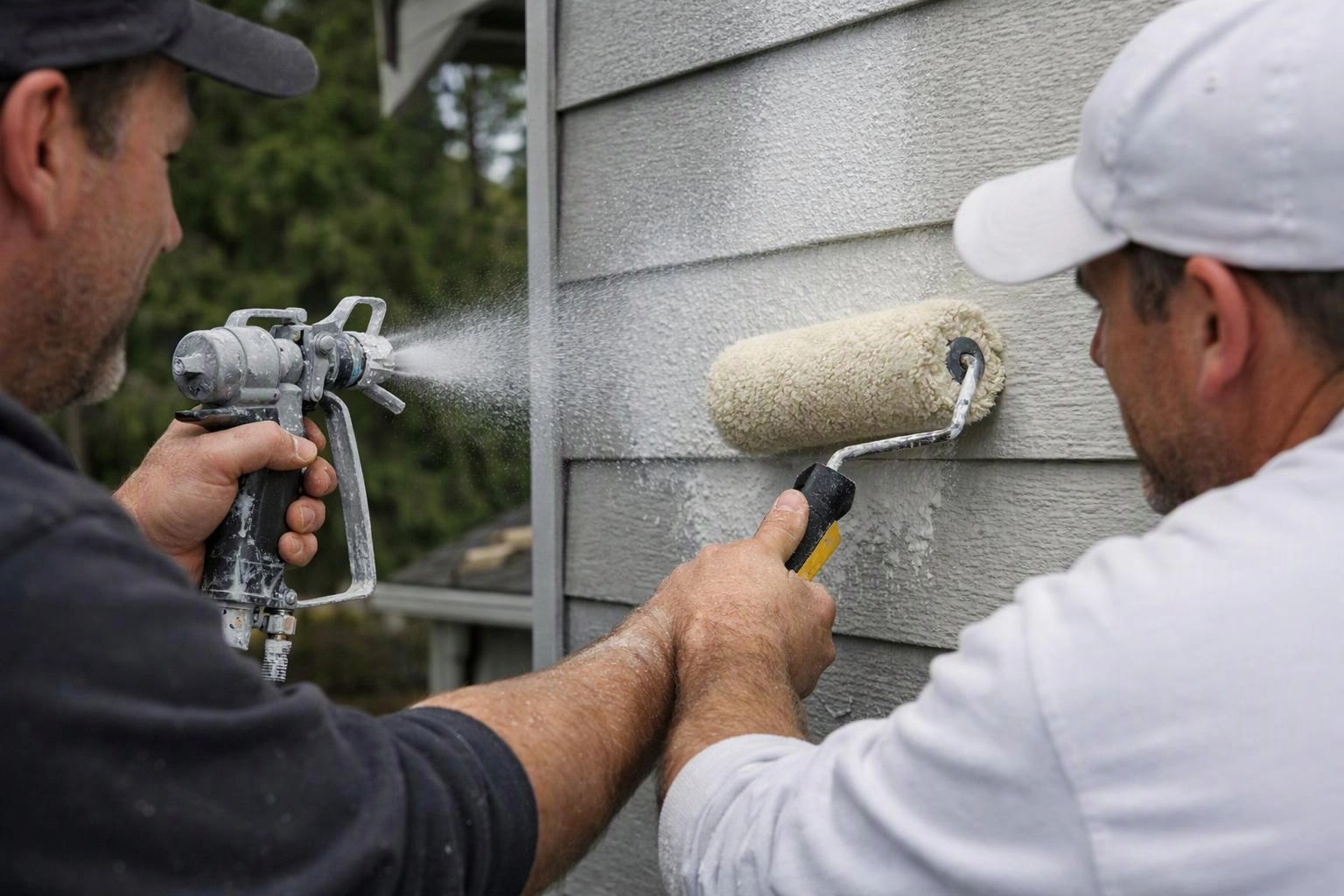
Back-Rolling starts after a painter sprays a section of exterior siding. The painter works a roller through the wet coating before the paint begins to set. This action pushes paint into grooves, pores, and small changes in the surface.
Related glossary terms: Airless Sprayer, Roller Nap, Surface Preparation.
The painter controls the roller pressure and pattern to keep the coat even. The process works best on manageable sections, because the sprayed paint must stay workable. Back-rolling can also help reduce thin areas on textured siding.
Back-Rolling on Exterior Siding
Exterior House Painting may use this method on wood, fiber cement, or textured siding. Surface preparation still comes first, since back-rolling cannot remove dirt, loose paint, or damaged material. The roller cover must match the siding texture so the coating reaches recessed areas.
Expert Note
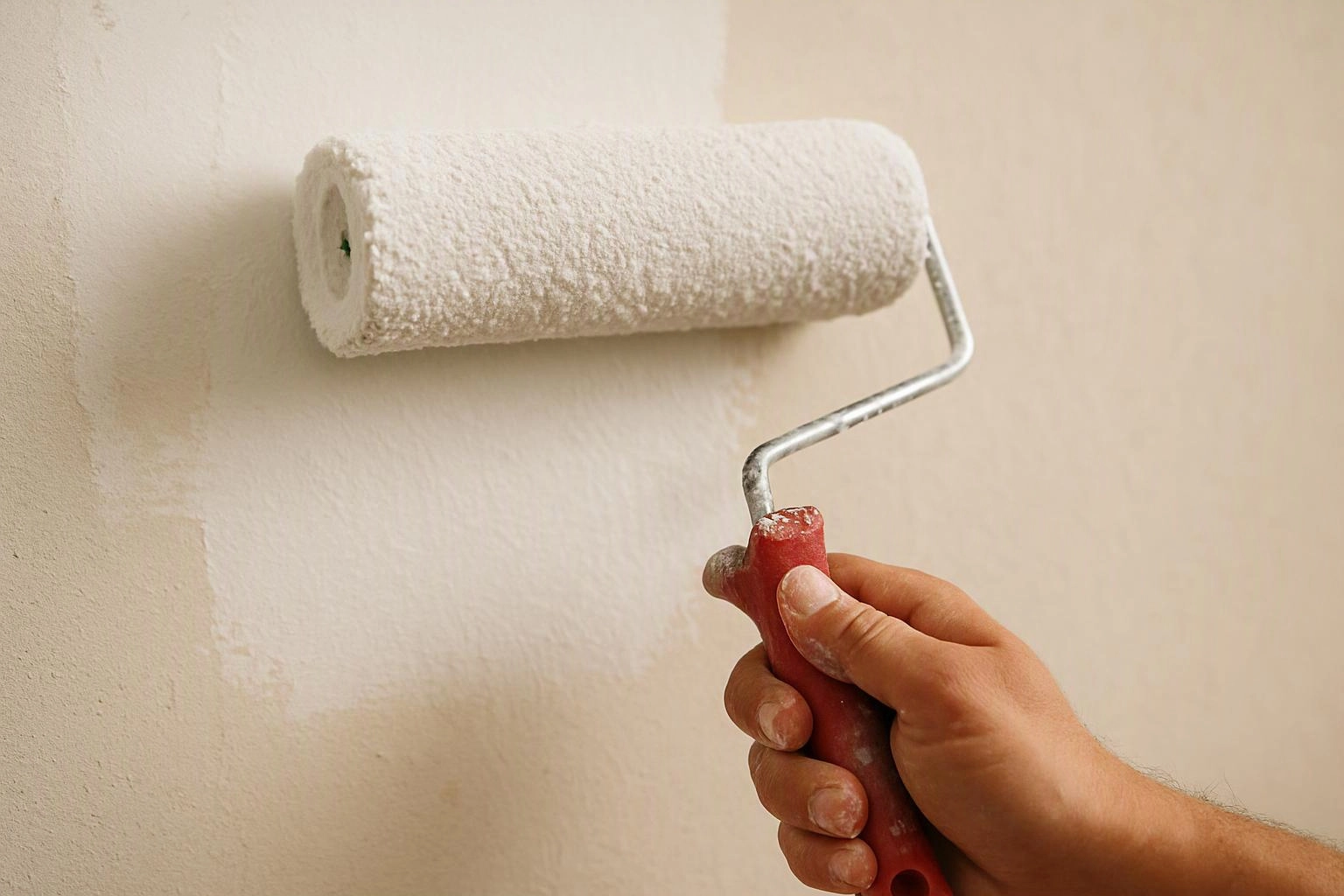
When we use back-rolling, we watch the coating closely as we move across each siding section. We check that the roller reaches the surface texture and that the finish stays even before the coating sets. Our team also checks edges, joints, and recessed areas during the process.
Back-Rolling in Practice: A Real-World Example
For an exterior house with textured fiber cement siding, a painter sprays a small section and follows with a roller. The roller presses paint into the siding texture, so recessed areas receive better coverage.
Related Services
Related Terms
Airless Sprayer
An Airless Sprayer is a paint application tool that uses high pressure to break liquid paint…
Roller NAP
Roller nap is the thickness of fibers on a paint roller cover. The nap holds paint…
Surface Preparation
Surface Preparation is the cleaning, repair, and conditioning of a surface before paint or coating is…
Lap Marks
Lap Marks are visible bands or shade changes where wet paint overlaps paint that has started…
PainterIssaquahwa.com
Have Questions About Back-Rolling?
Contact PainterIssaquahwa.com for practical guidance on Back-Rolling and related painting contractor work in Issaquah.