When Failing Paint Needs Stripping Before Repainting
Old paint should be stripped before repainting when layers peel, crack deeply, blister, or no longer bond to the surface. Thomas J. Painting checks the paint layers, substrate, and failure pattern before recommending stripping, targeted removal, or repainting.
Get a Free EstimateWhen Should Old Paint Be Stripped Before Repainting?
Old paint should be stripped when widespread failure prevents the new coating from bonding to a sound surface. Thomas J. Painting checks paint adhesion, surface preparation, and the condition of the material below before recommending repainting.
Small failed areas may need targeted paint removal. Broad failure across several layers usually calls for more complete preparation.
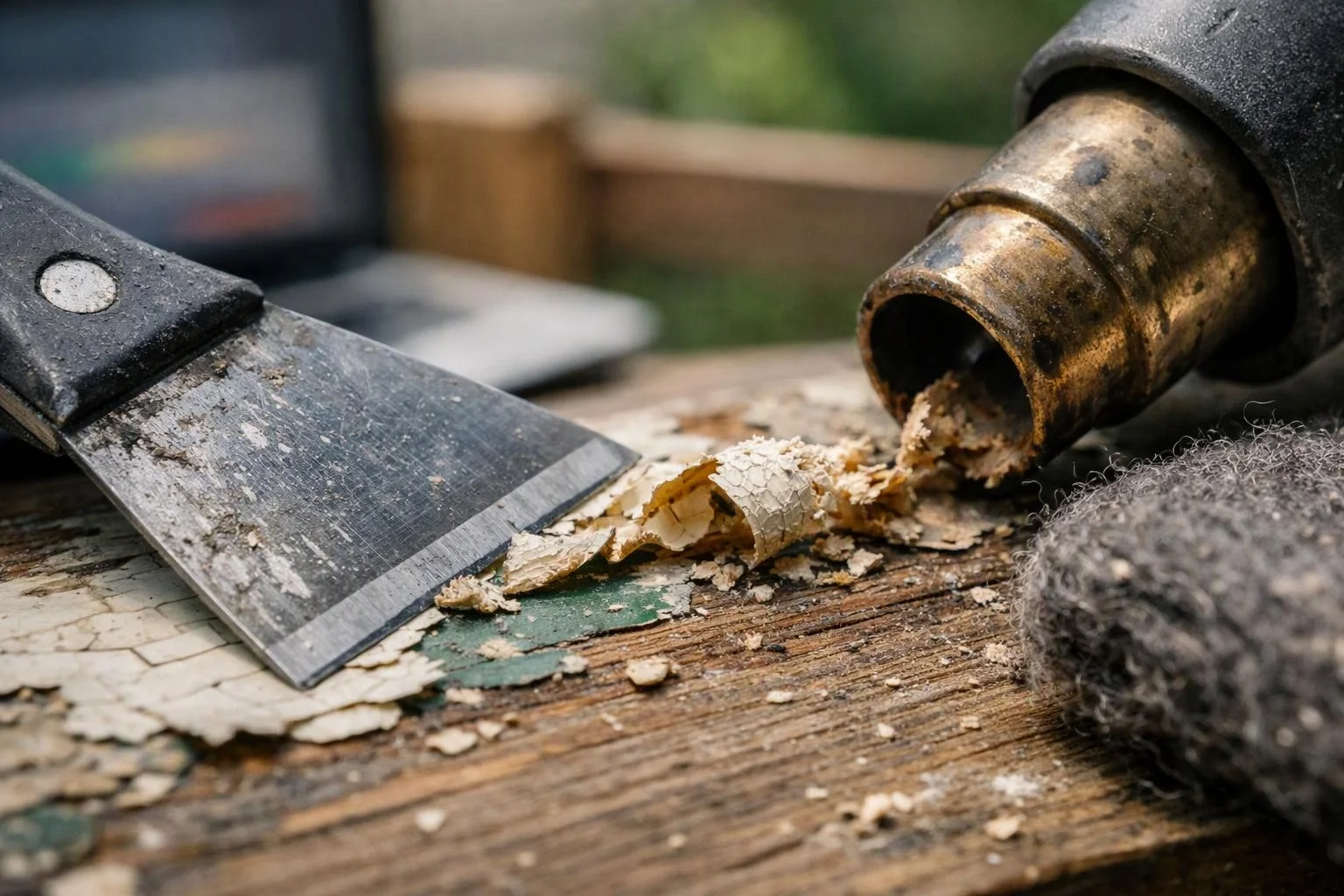
Signs That Failing Paint Needs Removal
These signs show that the coating may no longer provide a stable base. We inspect the pattern before choosing full stripping or limited removal.
Why Old Paint Starts Failing
Paint failure often comes from conditions below the topcoat. We look for the cause so new paint doesn't repeat the same problem.
Can You Paint Over Flaking Paint?
No, paint shouldn't cover loose or flaking layers because the new coating can fail with the unstable paint beneath it. We remove loose paint, check the remaining bond, and prepare a stable surface.
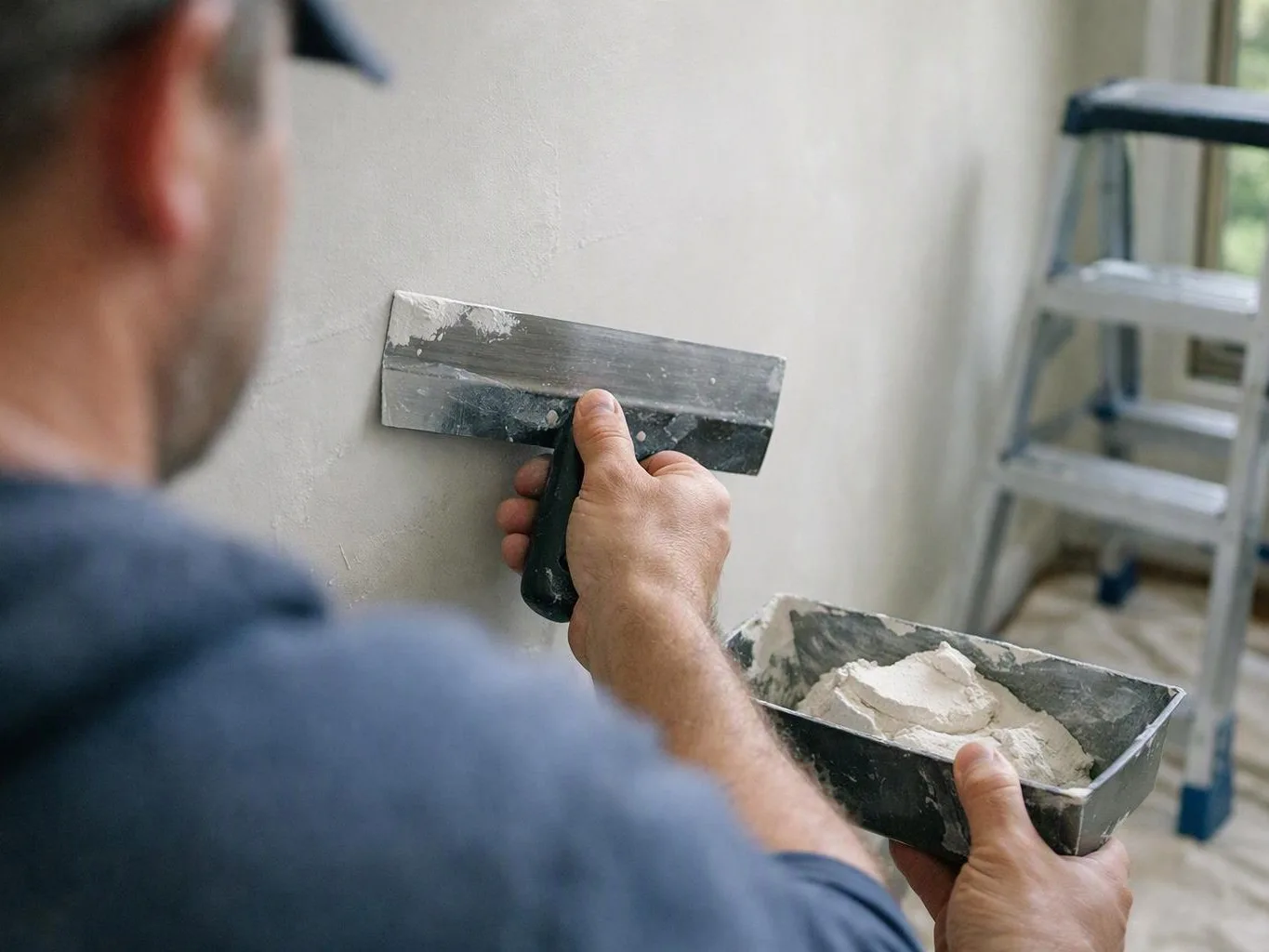
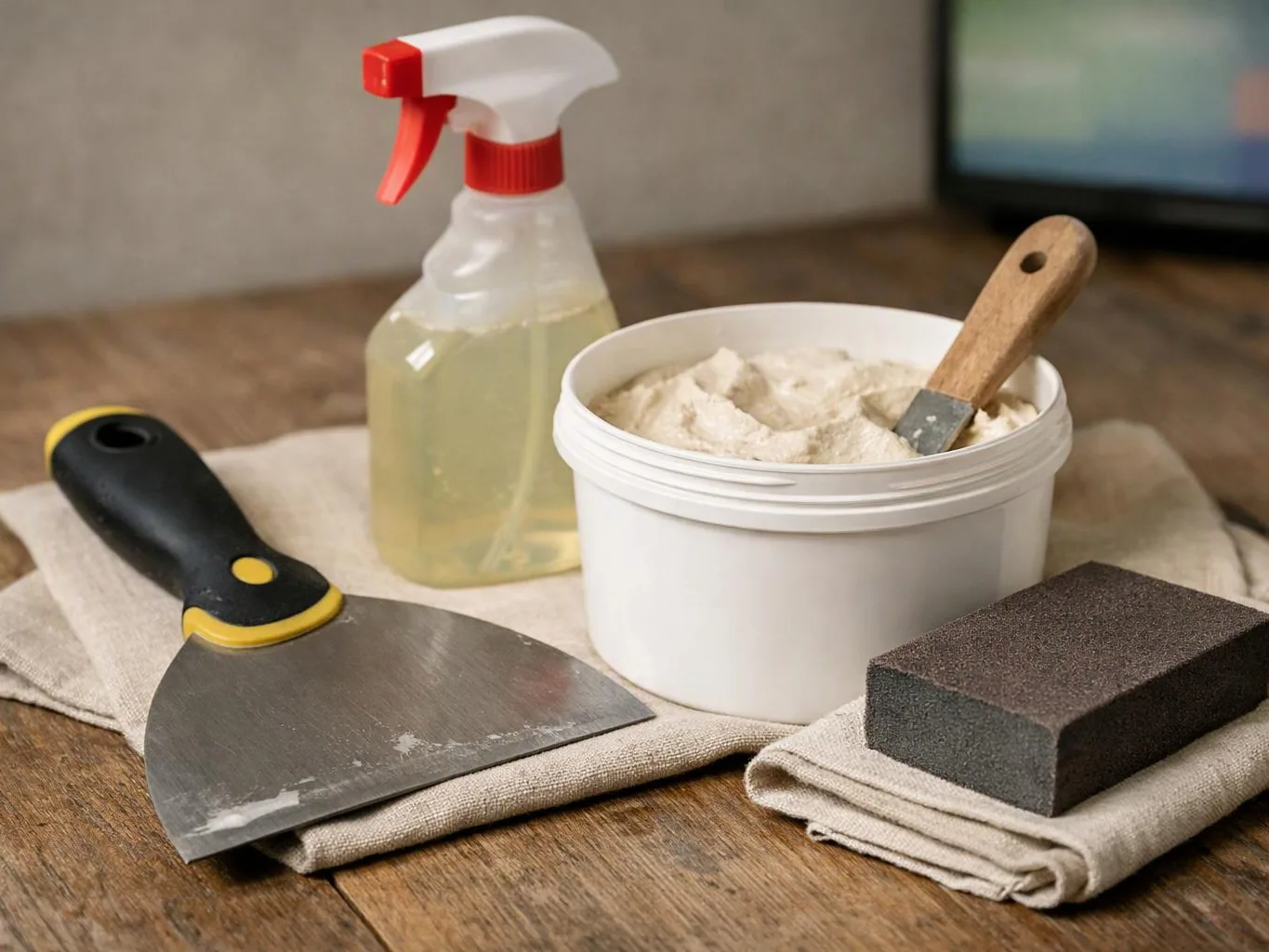
Scraping removes loose edges, while sanding helps smooth the surface profile. We use primer where exposed material or uneven absorption could weaken paint adhesion.
Should Deeply Cracked Paint Be Removed?
Deeply cracked paint should be removed when cracks reach through the coating or show that the layers have lost adhesion. Alligatoring and checking can signal excessive coating thickness or movement in the substrate.
We assess whether the cracks stop within one layer or continue to the substrate. Surface movement may also require repair before the area can be primed and repainted.
Stripping, Targeted Removal, or Repainting: Which Fits?
The right preparation level depends on how much of the existing coating remains sound. Our team matches the method to the paint condition and substrate.
| Preparation level | Best fit | Typical work included |
|---|---|---|
| Full paint stripping | Widespread failure across multiple paint layers | Coating removal, surface repair, cleaning, and primer preparation |
| Targeted paint removal | Localized peeling, flaking, or blistering | Scraping, sanding, feathering edges, and spot priming |
| Repainting over sound paint | Stable coating with good adhesion | Cleaning, light preparation, compatible primer when needed, and finish painting |
Sound paint can remain when it is firmly bonded and compatible with the new coating. We remove any weak areas before the recoat begins.
How We Prepare Wood With Multiple Layers of Failing Paint
Wood with multiple failing paint layers needs an assessment of the wood substrate and each coating. We check wood moisture, surface profile, and the bond between layers before selecting a removal method.
Our crew may use a paint stripper, scraper, or sanding process suited to the surface. We remove failed coatings, smooth rough transitions, repair exposed areas, and prime before painting.
Our paint stripping service helps prepare wood siding and trim when old layers no longer provide a stable base.
The Paint Stripping and Repainting Process
Our process connects the visible paint failure to the condition beneath it. Each step helps protect the final bond and finish.
How We Decide What Your Surface Needs
Surface preparation needs depend on paint condition, substrate condition, and coating compatibility. Thomas J. Painting reviews the failed areas, underlying material, and preparation needs during Free Consultations before outlining the recommended work.
We also consider the repair scope and the level of removal needed for a sound surface. Our recommendation may involve full stripping, targeted removal, or repainting over stable paint.
How to Prevent New Paint From Failing
New paint performs better when the surface and surrounding conditions are ready. We build these checks into paint preparation before the finish coat.
When Paint Stripping Needs More Care
Older coatings and unknown paint layers need controlled preparation. We plan dust control, containment, and waste handling around the surface and the work area.
Lead paint risk is a serious concern when older coatings may be present. We identify warning signs before disturbing those layers and use appropriate safeguards for the project.
Paint stripping can also expose damaged wood or other substrate problems. We review those conditions before continuing with surface repair and repainting.
Questions About Failing Paint and Repainting
What happens if you paint over peeling paint?
Thomas J. Painting removes peeling paint before repainting when the loose coating can no longer support a new bond. Covering unstable layers can cause the new finish to peel with the old paint.
Does all old paint need to be removed before repainting?
No, all old paint doesn't need removal when the remaining coating is sound, clean, and compatible. We remove failed areas and prepare stable paint for the new finish.
How can you tell if old paint is still bonded?
Old paint is more likely to be bonded when it stays firm, shows no lifting edges, and doesn't move during careful inspection. We check the coating pattern, surface condition, and exposed areas before selecting preparation.
Can paint stripping damage wood?
Paint stripping can damage wood when the removal method or surface pressure doesn't suit the substrate. We assess the wood first and choose a preparation approach that protects the surface profile.
Failing paint needs the right preparation level before repainting. Contact Thomas J. Painting to review the surface and request a clear recommendation.
Get a Free Estimate