How to Tell Whether Your Deck Needs Restaining or Finish Removal
Deck stain peeling, fading, or flaking can show that the existing finish needs more than another coat. Thomas J. Painting checks the wood, stain condition, and surface adhesion to decide whether cleaning and restaining will work or full finish removal is needed.
Get a Free Estimate
What Does Peeling or Fading Deck Stain Tell You?
Peeling deck stain shows that the finish has lost adhesion, while fading usually shows surface wear or sun exposure. Fading stain may still bond well after cleaning and preparation.
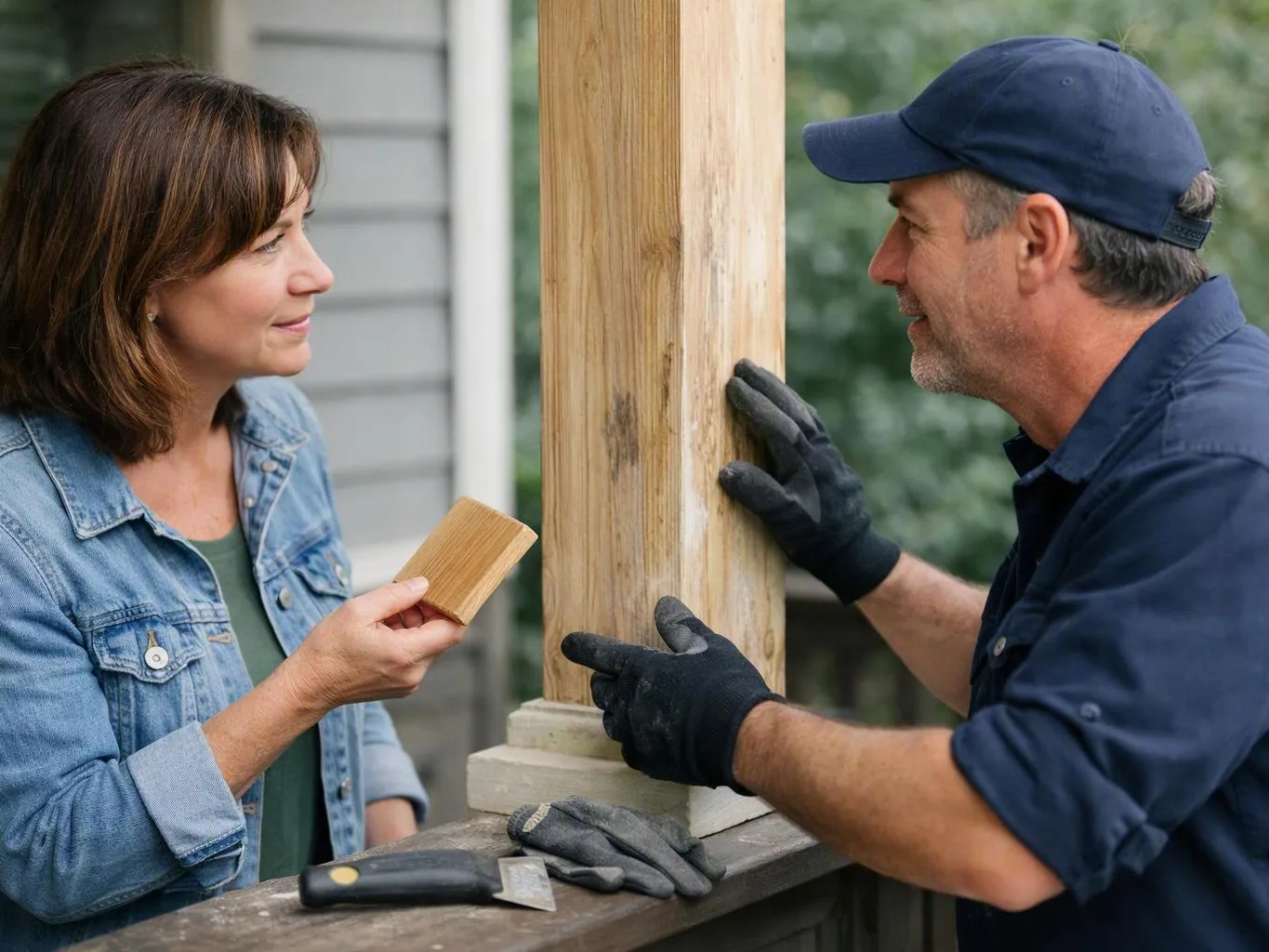
The wood surface helps us separate cosmetic wear from coating failure. We look for loose edges, bare wood, residue, and changes in the wood grain before choosing a treatment.
Signs Your Deck May Need Restaining or Finish Removal
These signs help show whether the deck needs routine maintenance or deeper surface treatment. We review the full surface because one symptom may not tell the whole story.
Why Deck Stain Peels, Fades, or Wears Unevenly
Deck stain commonly fails when moisture, poor surface preparation, sunlight, or incompatible coatings weaken the finish. Wood movement also stresses the surface as boards respond to changing conditions.
Moisture can keep a deck from accepting stain properly. Sun exposure can fade color and weaken the protective coating, while poor cleaning can leave surface residue that blocks adhesion. We check these conditions before we recommend restaining or finish removal.
Common Causes of Deck Stain Failure
Common causes usually involve moisture, contamination, coating layers, or weather exposure. Our team looks for the cause so the next finish has a sound surface.
- Damp wood prevents stain from bonding evenly.
- A contaminated surface leaves dirt, oils, or surface residue below the finish.
- Overlapping coatings create coating buildup and uneven adhesion.
- Weather exposure wears the finish and increases wood movement.
Restaining or Finish Removal: Which Condition Fits Your Deck?
Restaining fits a deck with a mostly sound finish, while finish removal fits a deck with widespread failure or heavy buildup. We base the choice on stain adhesion, bare wood, and overall wood condition.
| Deck condition | Likely approach | Why it fits |
|---|---|---|
| Color has faded, but the coating remains attached. | Restaining | Cleaning and preparation can support new stain adhesion. |
| Small areas are loose, with sound coating nearby. | Localized preparation and restaining | The failed areas can be addressed before applying new stain. |
| Finish is peeling across many boards. | Finish removal | Loose coating can prevent a consistent new finish. |
| Multiple layers create heavy coating buildup. | Finish removal | Removing old stain can expose a cleaner surface for treatment. |
Restaining isn't a shortcut when the old coating is failing. We remove or stabilize the affected finish before applying new stain.
Can You Stain Over Peeling Deck Stain?
No, not when the existing stain is loose or peeling; the failing finish must be removed or stabilized before new stain is applied.
Scraping may remove loose edges, but cleaning and surface preparation still matter. We check the remaining coating for adhesion and expose sound wood where needed.
New stain cannot correct loose material below it. Applying over unstable stain can lead to more flaking and an uneven finish.
How We Check Whether a Deck Is Ready for Restaining
Thomas J. Painting checks the deck in stages so the recommended treatment matches the actual surface condition. Our team explains what we find before work begins.
How to Help a Deck Stain Last Longer
Deck cleaning helps remove dirt and residue that can weaken stain adhesion. Clear water drainage also helps limit moisture that can damage the finish.
We recommend regular surface inspection so small wear areas don't become widespread peeling. Routine stain maintenance works best when the wood surface remains clean and the coating stays bonded.
Our Deck Staining service can address preparation, finish removal, and new stain application based on the deck's condition.
Prevention Steps for Peeling and Fading Deck Stain
Prevention starts with a clean surface and continues with regular checks. These steps help protect the finish between maintenance visits.
- Clean wood: Remove dirt and residue before stain work.
- Use a dry surface before applying any coating.
- Select a compatible stain for the existing finish and wood condition.
- Complete routine inspection for fading, chipping, or bare wood.
- Improve moisture control by keeping water from standing on deck surfaces.
When Should You Restain Your Deck?
You should restain a deck when the existing finish has worn thin but still bonds well after cleaning and preparation.
Deck condition matters more than color alone. Restaining can fit when the wood remains protected, stain wear is even, and the coating has good adhesion.
Finish removal becomes more suitable when peeling, chipping, or coating buildup blocks a consistent result. We assess seasonal maintenance needs and wood exposure before choosing the next treatment.
What a Deck Staining Consultation Covers
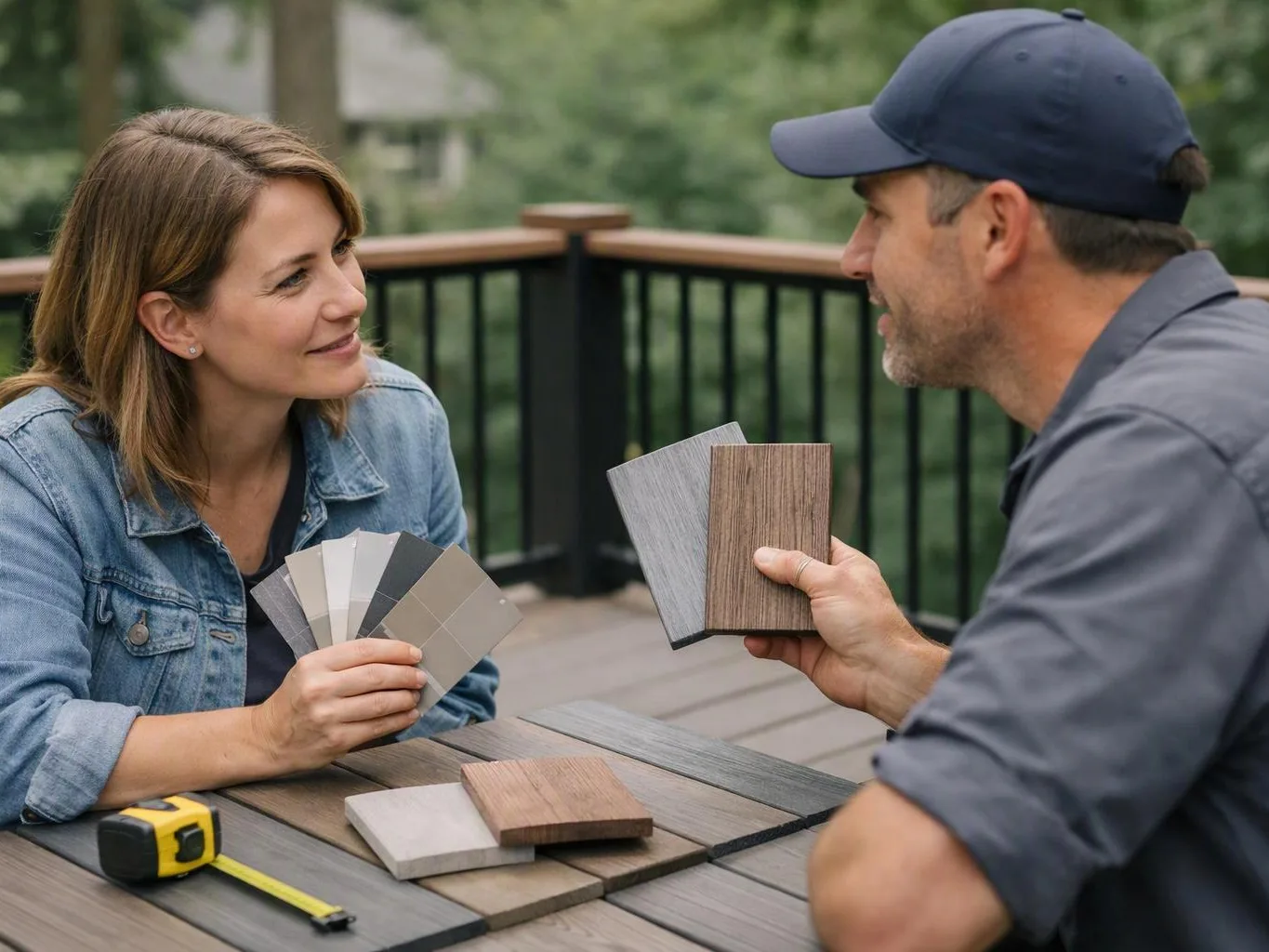
Deck staining consultations cover the surface assessment, finish condition, and recommended scope of work. We explain whether cleaning and restaining are enough or whether finish removal is needed.
Our team reviews the deck boards, railings, stairs, wood condition, and visible coating failure. We also discuss stain selection and preparation needs so the plan fits the surface.
Thomas J. Painting offers Free Consultations for homeowners who want a clear condition-based recommendation. Contact us to discuss your deck and request an exact quote for the work.