Why Commercial Paint Fails and What to Check Before Recoating
Commercial paint peeling usually results from contamination, moisture, weak coatings, or poor surface preparation. Thomas J. Painting checks the existing coating, removes anything that could block adhesion, and corrects surface problems before recoating.
Get a Free EstimateWhy Does Commercial Paint Peel or Fail?
Commercial paint peels when the coating can't bond to a clean, sound, and dry surface. Moisture, dirt, loose paint, and incompatible coatings can all weaken that bond.
Coating adhesion depends on proper surface preparation. We check the wall surface, metal surface, concrete surface, or masonry surface before choosing a recoating system.
Moisture can move through walls and damage the paint film from behind. Our team looks for leaks, damp areas, staining, and other signs of moisture damage before applying new paint.
What Signs Show That a Commercial Coating Is Failing?
Visible coating damage shows where the paint film has lost strength or contact with the substrate. We use these signs to guide the surface inspection and repair plan.
These signs often appear together, especially when a commercial building has ongoing moisture intrusion. We trace the visible failure back to the surface condition before planning commercial repainting.
What Causes Commercial Paint to Fail?
Commercial paint failure usually starts with a condition that blocks adhesion or weakens the coating after application. Our crew checks the following causes before recoating.
Commercial building maintenance should address the moisture source and surface condition together. We don't cover unstable paint with a new layer and expect the problem to disappear.
What Should Be Removed Before Recoating?
Loose paint, dust, grease, mildew, rust, salts, and other debris should be removed before recoating. The surface also needs correction when cracks, leaks, or damaged substrate could cause another failure.
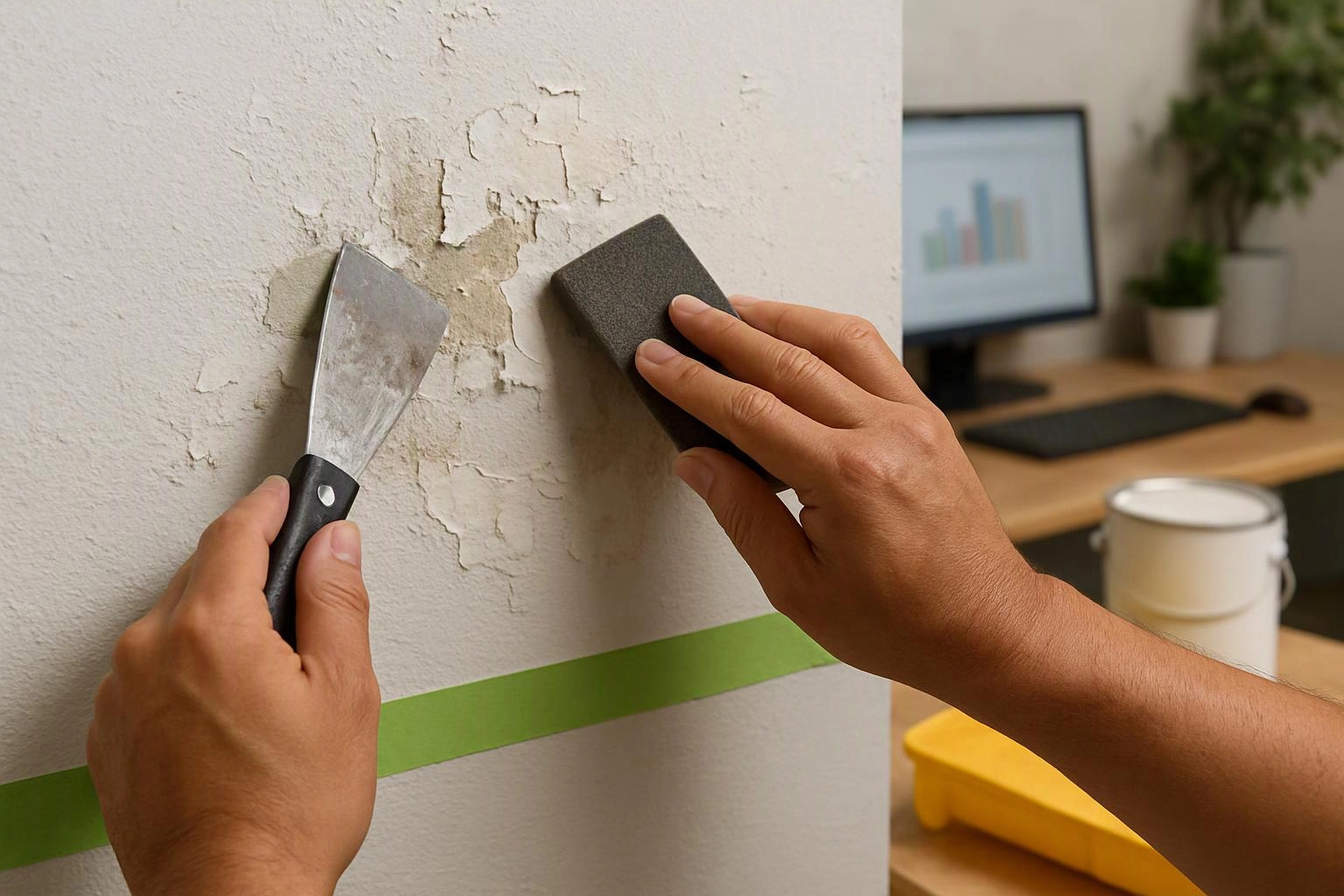
Our team chooses surface cleaning methods based on the material and condition. Cleaning may include degreasing, pressure washing, scraping, sanding, mildew removal, rust removal, and efflorescence removal.
Peeling commercial paint shouldn't receive a new coat until the weak material is removed. We also check edges around damaged areas so spot repairs blend into a stable, clean surface.
How Do We Check a Commercial Surface Before Recoating?
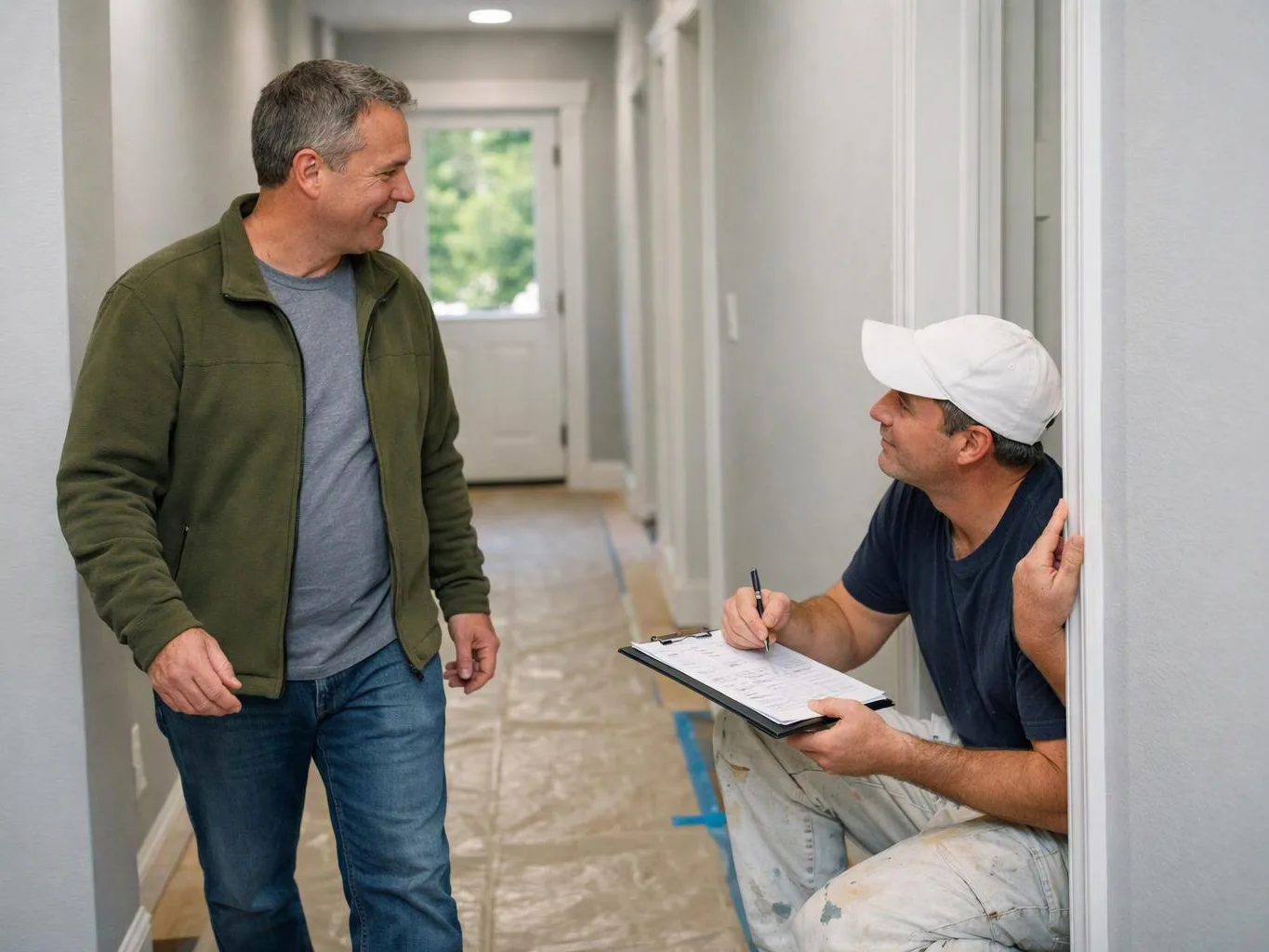
Thomas J. Painting begins with a surface assessment before recommending a recoating system. We provide Free Consultations, review the failed coating, identify preparation needs, and explain what our estimate covers.
This process helps us connect the repair plan to the building's actual conditions. It also gives the property owner a clear view of what the estimate includes.
What Preparation Prevents Commercial Paint Failure?
Proper preparation gives new paint a clean, dry, and stable surface to bond with. We match each preparation step to the coating problem and substrate condition.
Skipping one of these steps can leave the same failure point under the new paint. Our crew completes the needed preparation before recoating a commercial building.
When Should a Commercial Surface Be Recoated?
A commercial surface should be recoated only after the cause of coating failure has been corrected. Our commercial painting team can assess the existing finish and connect the preparation plan to the Commercial Painting service.
Recoating may be suitable when the remaining paint is stable and the substrate can support a new system. A failed coating may need broader removal and repair before new primer and paint are applied.
Surface condition, moisture control, coating compatibility, and the scope of spot repairs all affect the recoat decision. Thomas J. Painting explains the recommended preparation and what our quote covers.
Contact Thomas J. Painting to discuss your commercial building's coating failure and request an assessment.