
What Is Texture Matching?
Texture Matching is the process of reproducing a ceiling or wall surface pattern so a repaired area blends with the surrounding finish. A painter studies the existing texture, prepares the damaged section, and applies a similar material with matching pressure and tools. The goal is a consistent surface after painting.
Quick Facts About Texture Matching
Category
Surface repair technique
Used for
Blending ceiling and wall repairs
Common confusion
Matching texture is not repainting alone
Also called
Texture blending, Surface texture replication
Often discussed with
Ceiling Texture Repair, Interior House Painting
Key Takeaways About Texture Matching
- The pattern, depth, and spread should match the surrounding surface.
- Lighting can reveal a mismatch after the ceiling has been painted.
- Texture Matching is not the same as applying a new texture.
How Texture Matching Works
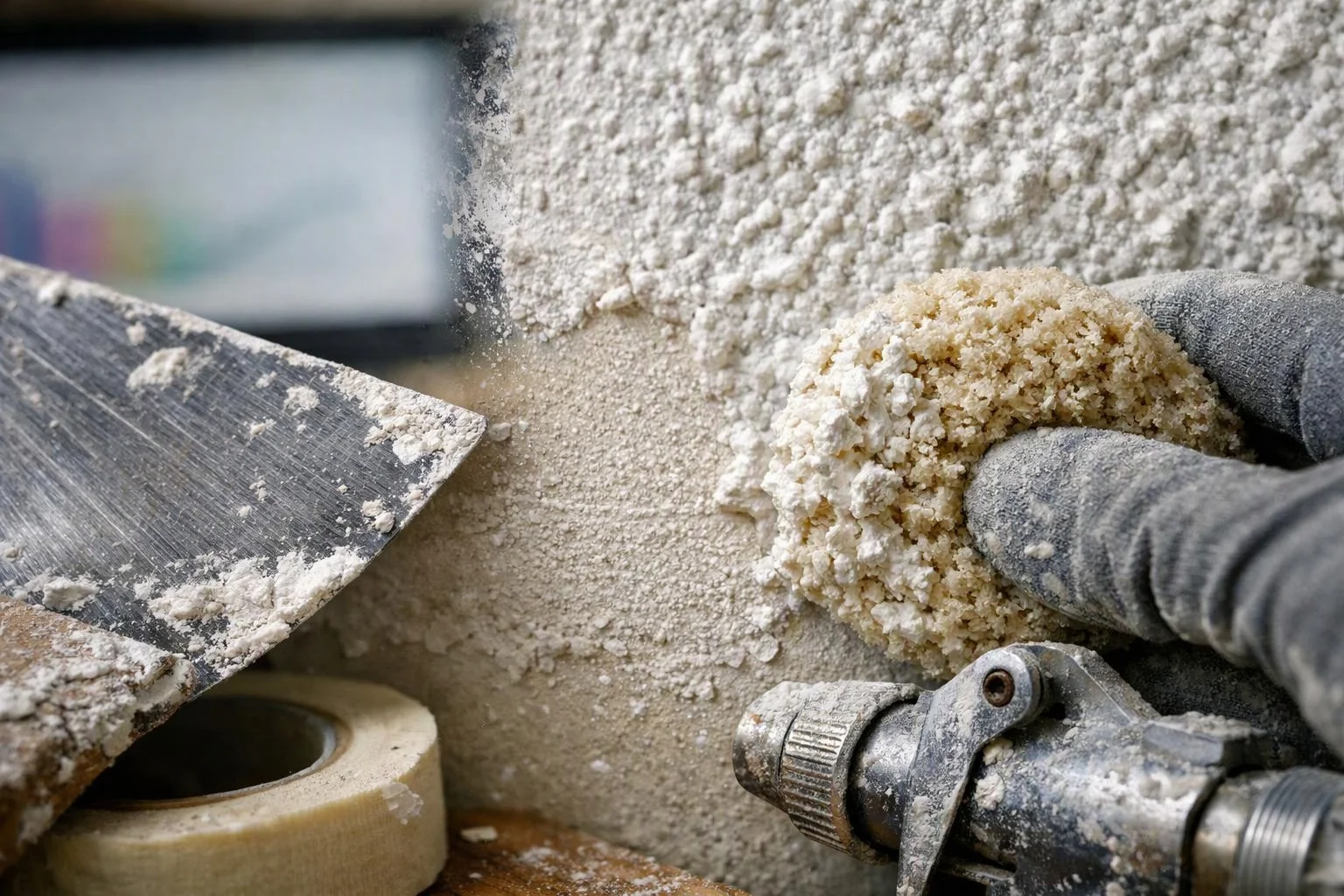
Texture Matching compares a damaged area with the nearby surface before repair begins. The painter checks the pattern, depth, spacing, and edges. These details guide the choice of material and application method.
Related glossary terms: Drywall Compound, Surface Preparation, Sanding.
Ceiling repairs often need drywall compound or another compatible material. The material is spread, dabbed, sprayed, or rolled to copy the surrounding pattern. After the patch dries, sanding or light reshaping may refine the transition. Paint then helps unify the repaired area with the rest of the ceiling.
Ceiling Texture Repair may involve testing the texture on a small area first. A test shows how the pattern looks under the room's lighting. Smooth ceilings need a different repair approach because they have no raised pattern to copy.
From the Thomas J. Painting team
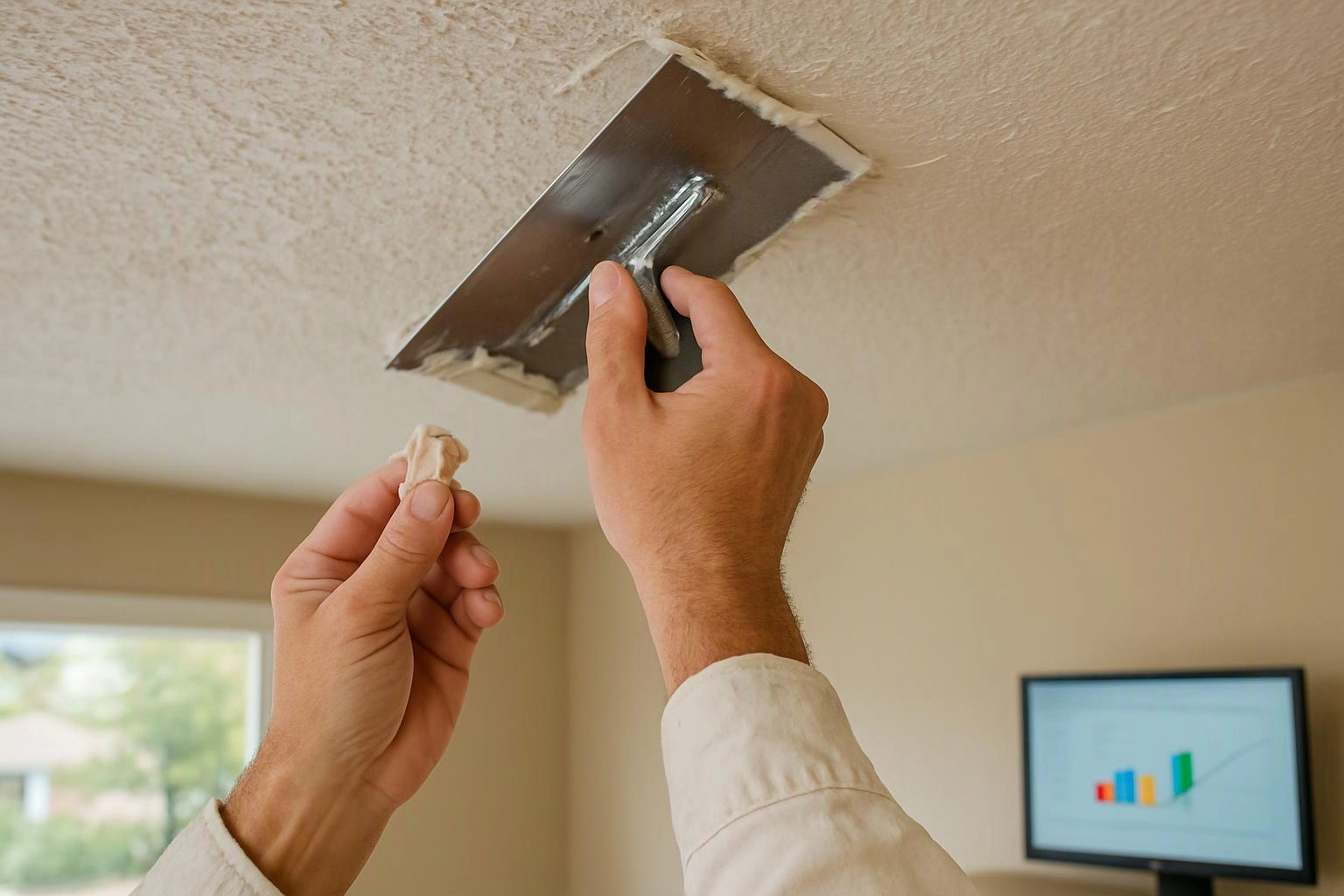
When we inspect a ceiling repair, we compare the patch with nearby texture from several angles. We check the pattern after the material sets, then adjust the surface before painting. Our team also watches the edge of the repair because a hard line can remain visible even when the center looks close.
Texture Matching in Practice: A Real-World Example
A ceiling has a water-damaged patch with a light sprayed texture. The painter rebuilds the pattern around the patch, feathers the edges, and paints the ceiling so the repair fits the surrounding surface.
Related Services
Related Terms
Drywall Compound
Drywall Compound is a smooth building material used to fill joints, cover fasteners, repair dents, and…
Surface Preparation
Surface Preparation is the planned cleaning, repair, and conditioning of a surface before paint application. It…
Sanding
Sanding is a surface preparation process that uses abrasive material to remove loose paint, smooth rough…
Paint Primer
A Paint Primer is a preparatory coating that helps paint bond to a surface and creates…
Thomas J. Painting
Have Questions About Texture Matching?
Contact Thomas J. Painting for practical guidance on Texture Matching and related painting contractor work in Issaquah.