
What Is Tannin Bleed?
Tannin Bleed is a brown, yellow, or reddish discoloration that moves from wood into paint. The discoloration comes from natural compounds in wood, especially cedar, redwood, oak, and some cabinet materials. It can appear through fresh paint even when the surface looks clean and smooth before painting.
Quick Facts About Tannin Bleed
Category
Wood-related paint defect
Used for
Diagnosing discoloration before repainting
Common confusion
Mildew or dirt staining
Also called
Tannin Staining, Wood bleed
Often discussed with
Cabinet Painting
Key Takeaways About Tannin Bleed
- It often appears as brown, yellow, or reddish marks.
- Regular paint may not block tannins from moving through.
- Tannin bleed is not the same as mildew or surface dirt.
How Tannin Bleed Works
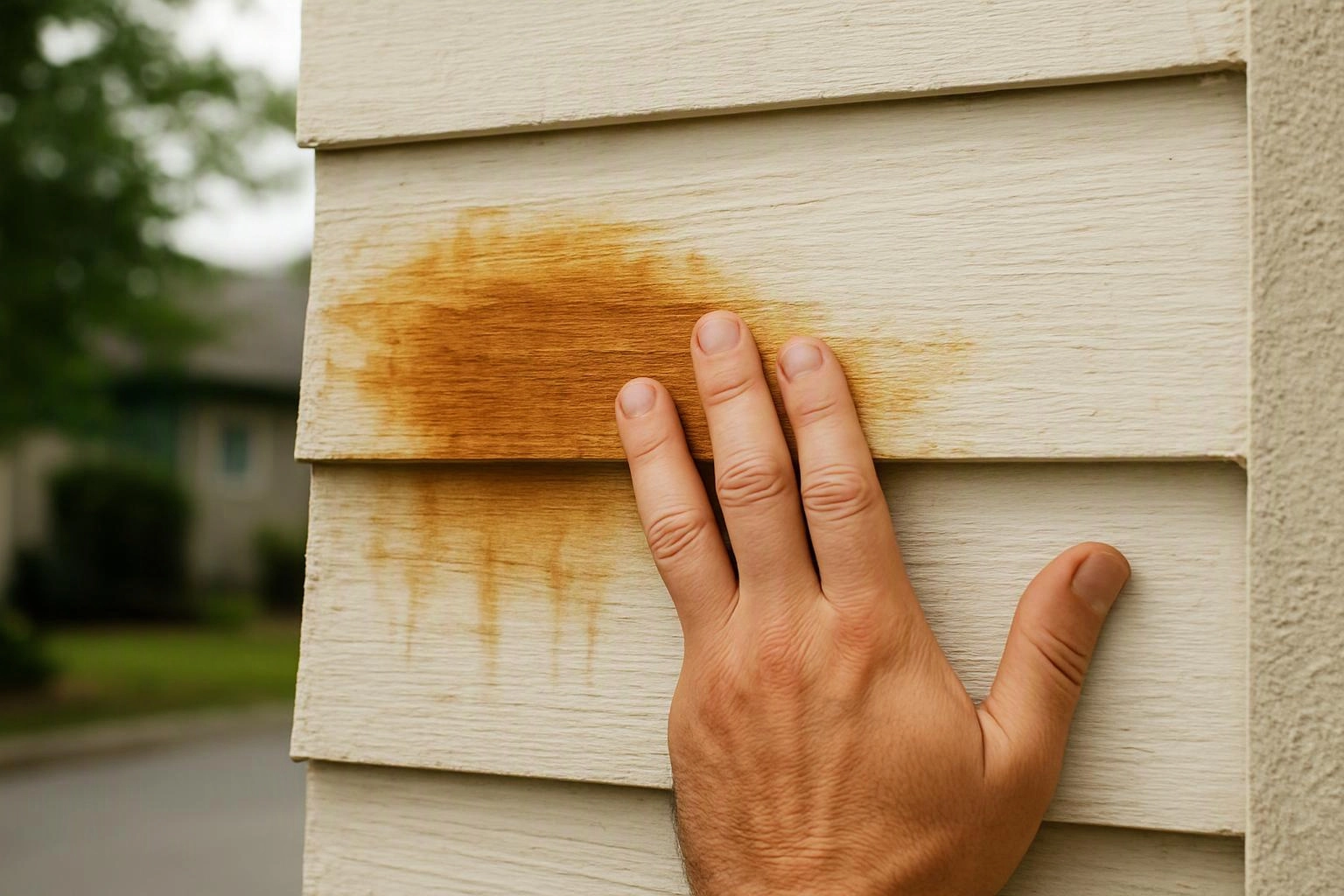
Tannin bleed starts when moisture carries natural tannins from wood into a paint film. The color may appear around knots, joints, end grain, or areas with exposed wood. Fresh paint can cover the mark for a short time, but the discoloration may return.
Related glossary terms: Paint Primer, Stain Conditioner, Surface Preparation.
Cabinet painters check the surface for yellow, brown, or red marks before applying finish coats. Cleaning removes surface residue, while sanding smooths rough areas. A stain-blocking primer helps seal the wood and limits further color movement. The primer must suit the surface and the planned cabinet coating.
From the Thomas J. Painting team
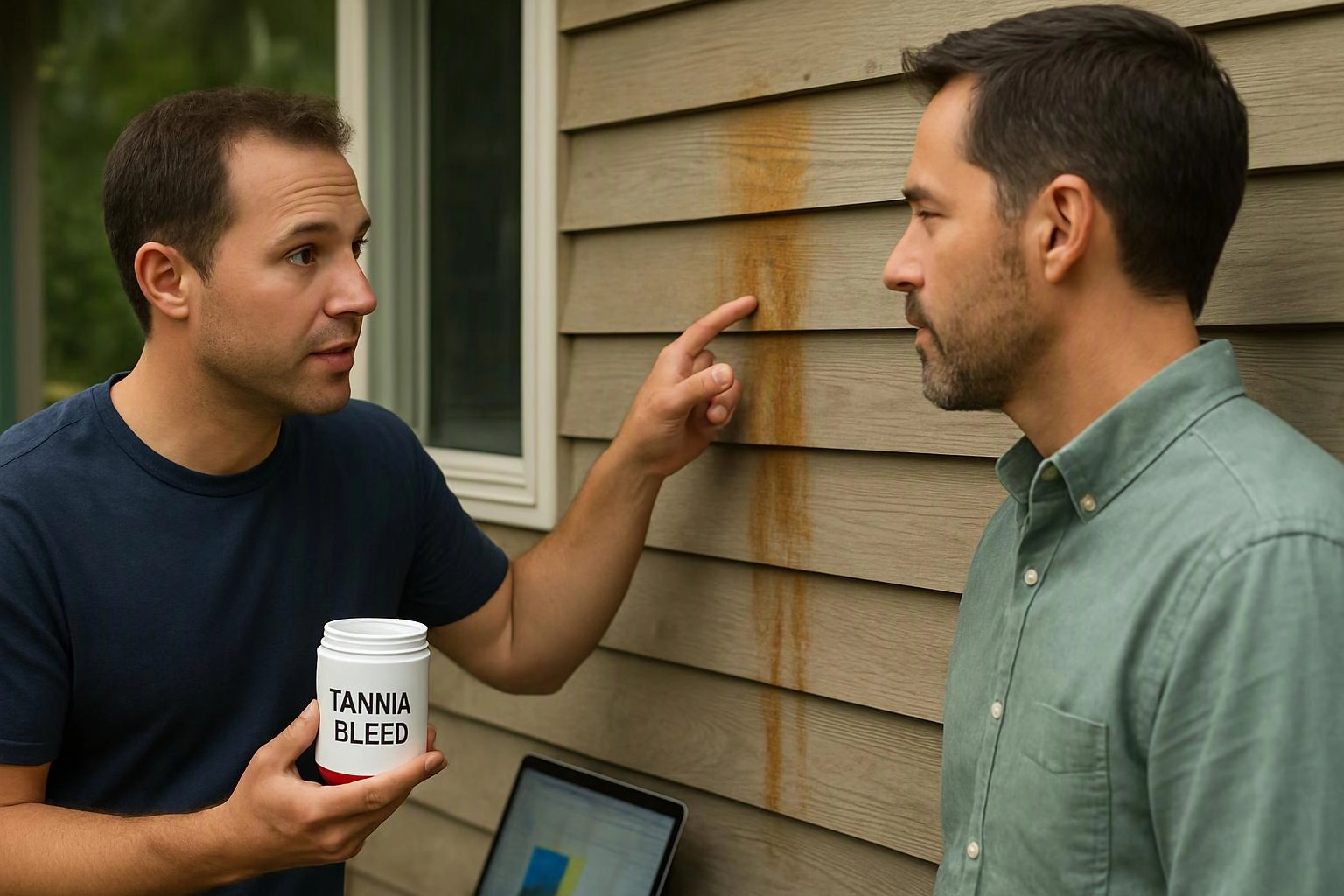
When we prepare cabinets, we inspect exposed wood, knots, joints, and existing discoloration. We clean and sand as needed, then choose a primer that helps block tannin movement before applying cabinet paint. We also check the primed surface so visible bleed does not carry into the finish coats.
Tannin Bleed in Practice: A Real-World Example
A painted oak cabinet door may develop small brown marks near its joints after repainting. The marks can come from tannins moving through the coating, so the door needs surface preparation and a suitable primer before its finish coats.
Related Services
Related Terms
Paint Primer
A Paint Primer is a preparatory coating that helps paint bond to a surface and creates…
Stain Conditioner
A stain conditioner is a wood treatment that helps stain soak into porous areas more evenly…
Surface Preparation
Surface Preparation is the planned cleaning, repair, and conditioning of a surface before paint application. It…
Paint Adhesion
Paint Adhesion is the bond between a coating and the surface beneath it. Strong adhesion helps…
Thomas J. Painting
Have Questions About Tannin Bleed?
Contact Thomas J. Painting for practical guidance on Tannin Bleed and related painting contractor work in Issaquah.