From initial intake onward, what surfaces can your paint stripping service handle before final scope approval?
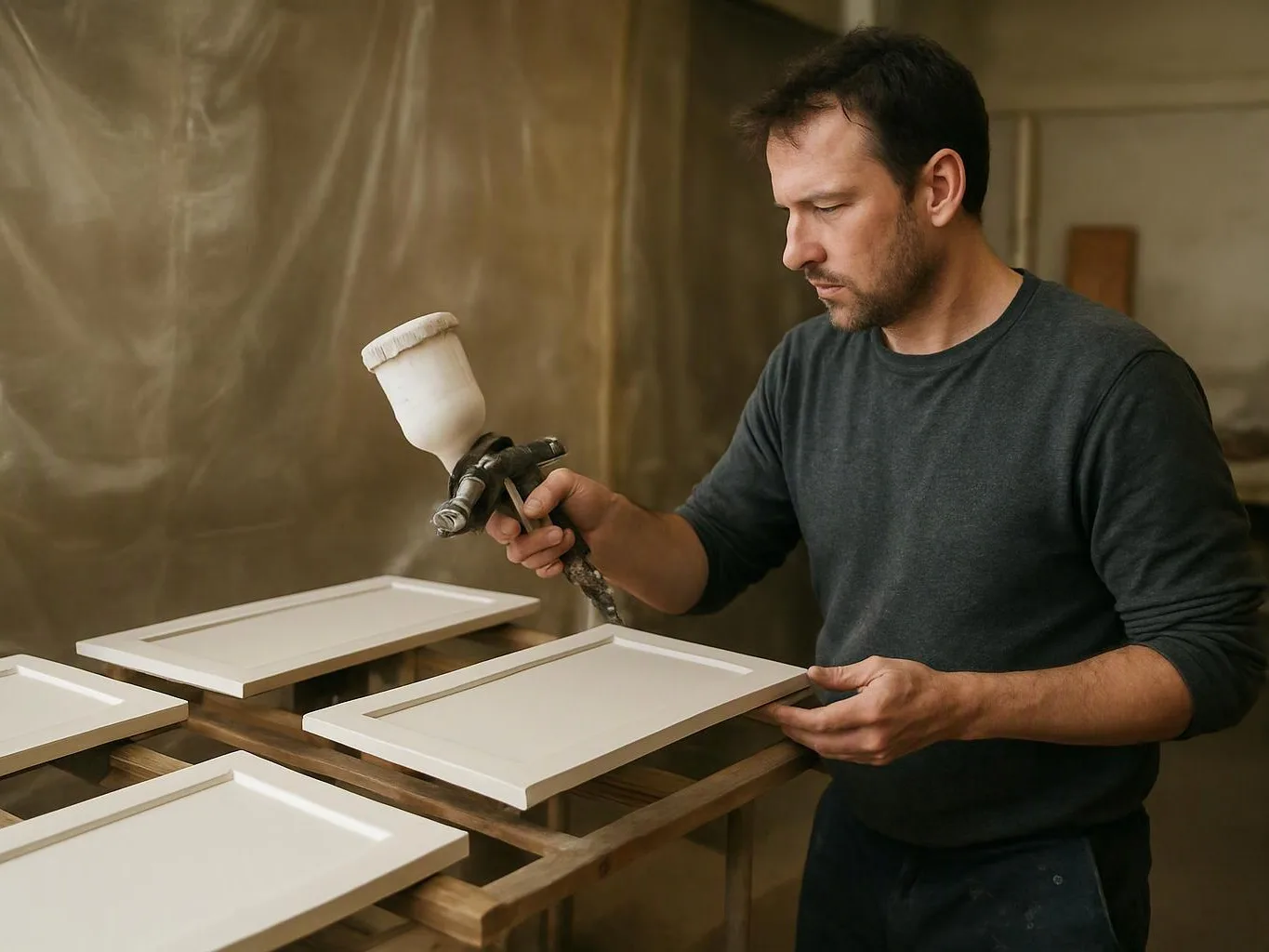
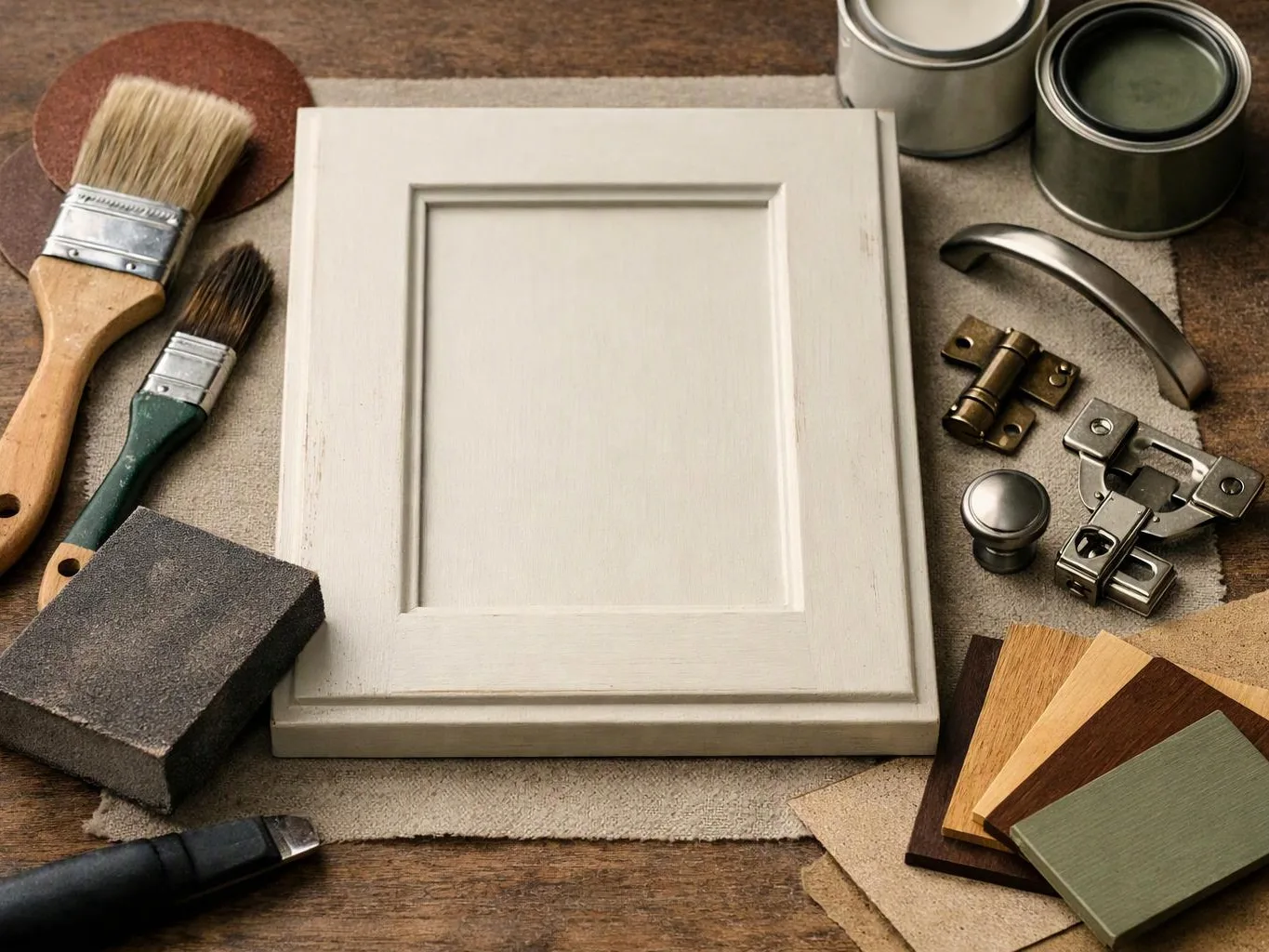
Metal doors, wood trim, cabinet fronts, masonry walls, and furniture pieces can fit paint stripping when their condition supports removal. Thomas J. Painting checks the material, coating buildup, adhesion, access, and desired finish before setting the scope. The review also identifies repairs that should be handled before repainting or refinishing. Each surface receives a method and preparation plan suited to the agreed work.
How does the surface change the paint removal approach?
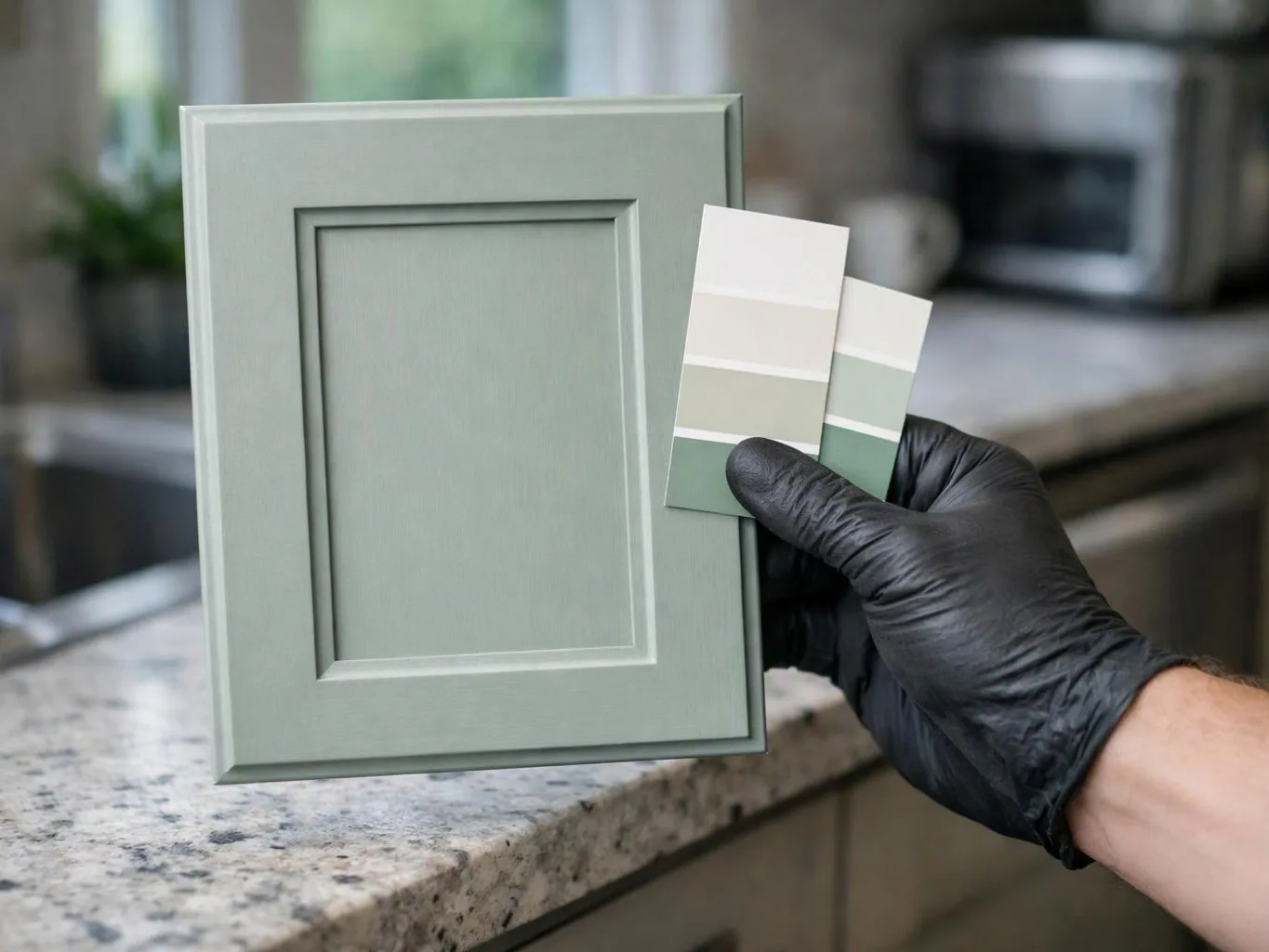
Surface material changes the removal method and the preparation that follows. Masonry can hold paint in pores and joints, while trim and cabinet fronts have edges and profiles that need careful handling. We check the base material, coating layers, nearby finishes, and desired result before explaining the appropriate work scope. The same approach should not be assumed for every surface.
Which project details should I share for a quote?
The surface type, coating condition, access, and desired finish help shape a useful quote. Photos can help show peeling, buildup, hardware, profiles, or nearby finished areas, but an in-home consultation gives us more to review. We also need to know whether the work involves repainting, refinishing, cabinet refacing, or related carpentry. The quote reflects the agreed preparation and finish scope.
For Paint stripping service, when is paint stripping the wrong service?
Paint stripping is the wrong first step when the base material needs major repair or replacement. We inspect for damaged wood, failed masonry, weak panels, and other conditions that affect the surface. Related carpentry may belong in the agreement before coating removal. A free consultation helps separate paint preparation from repairs that require a different scope.
Why does paint keep peeling after a touch-up?
Paint can peel again when loose or poorly bonded coating remains below the touch-up. We check the failure area, nearby layers, surface condition, and moisture-related concerns visible during the review. The next step may involve focused stripping, broader removal, repairs, or preparation before repainting. We explain that choice before the work agreement is developed.
What happens from the first consultation through cleanup?
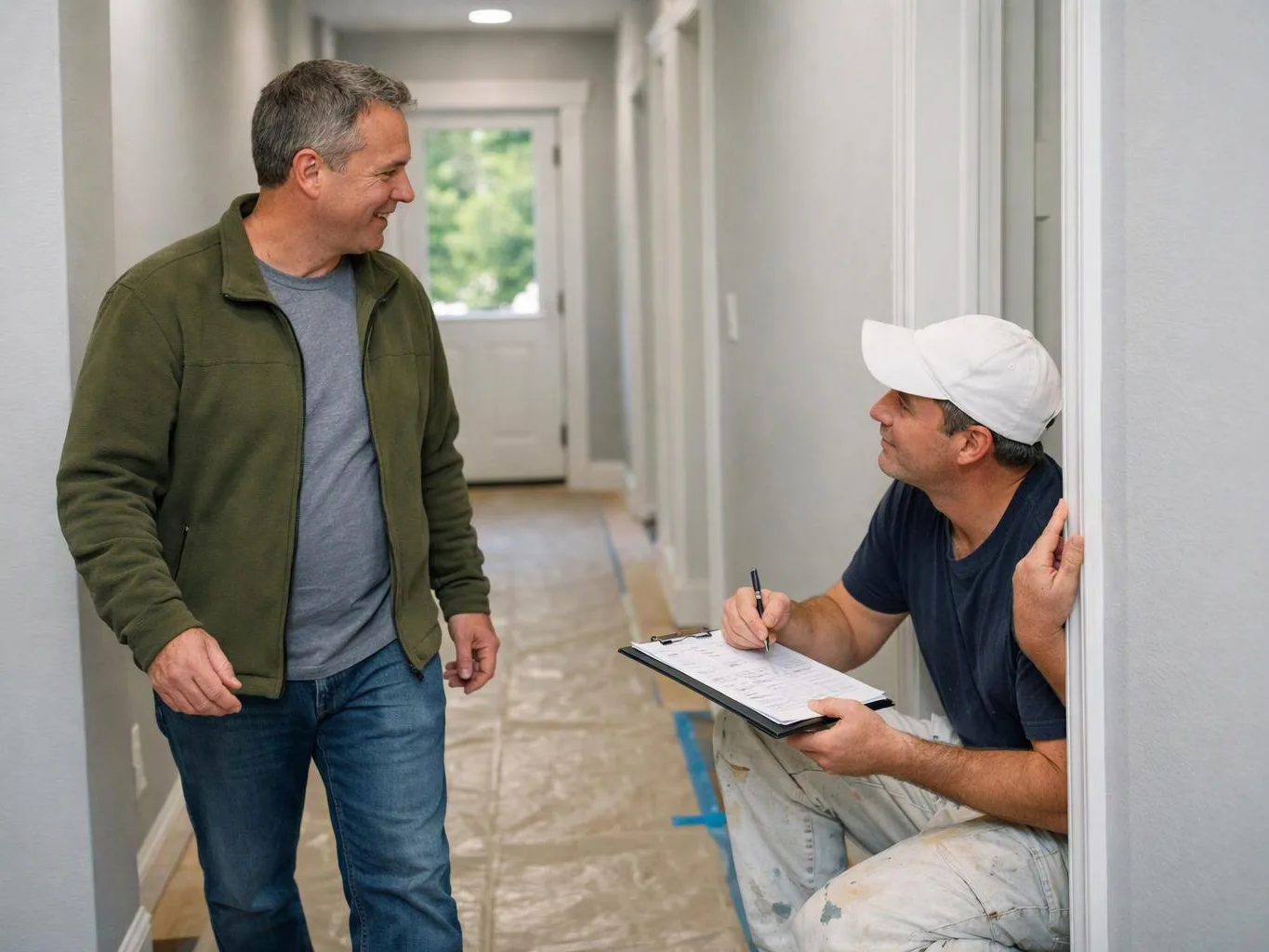
The work moves from surface review to protection, agreed paint removal, preparation, and cleanup. We begin with a free consultation and in-home meeting, then discuss the finish and scope. During the project, we protect nearby areas and manage preparation and repairs. At completion, the lead paint crew member walks through the work and final inspection with you.